
Does Your Chest Hurt After You Quit Smoking? Understanding the Physical Symptoms of Quitting Tobacco
Navigating the Pain in Your Chest After Quitting Smoking: A Comprehensive Guide
Introduction: Quitting smoking is a significant step towards a healthier life, but it often comes with its own set of challenges. One common concern among smokers who have quit is experiencing chest pain. In this article, we delve into the physical symptoms of quitting tobacco and what you can do to alleviate the discomfort.
Understanding Chest Pain After Quitting Smoking:
-
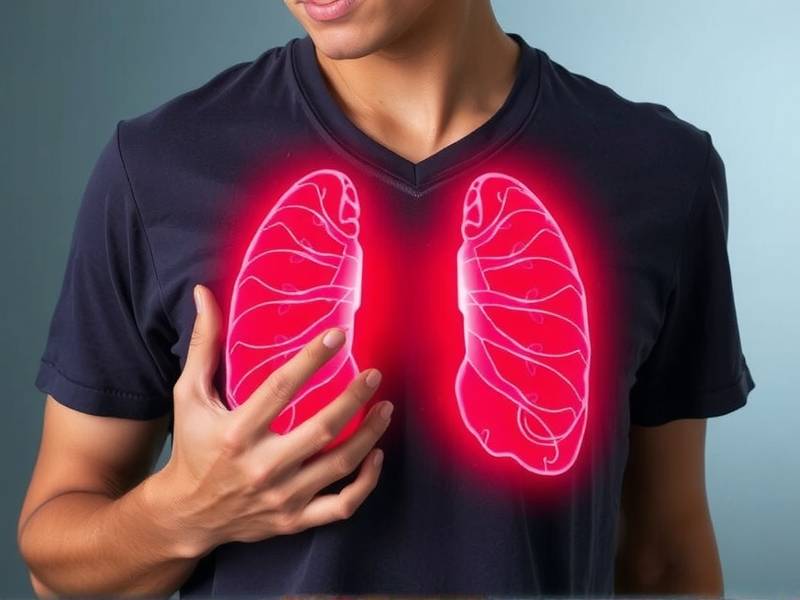
The Role of Nicotine Withdrawal When you quit smoking, your body goes through a withdrawal process as it adjusts to the absence of nicotine. Nicotine is a stimulant that can cause your heart rate to increase and blood vessels to constrict. As your body adjusts, you may experience chest pain or discomfort.
-
The Healing Process Quitting smoking can also trigger healing processes in your body that may cause chest pain. For example, damaged lung tissue may begin to repair itself, leading to discomfort or tightness in the chest area.
-
Other Factors Contributing to Chest Pain Apart from nicotine withdrawal and healing processes, there are other factors that may contribute to chest pain after quitting smoking:
- Anxiety or stress related to quitting
- Changes in diet and exercise routines
- Underlying health conditions
Common Symptoms and How to Manage Them:
-
Shortness of Breath: Feeling short of breath is a common symptom when quitting smoking. To manage this, try deep breathing exercises or consult with a healthcare professional for personalized advice.
-
Chest Tightness: Chest tightness can be caused by anxiety or muscle tension due to stress. Practice relaxation techniques such as meditation or yoga to help alleviate this symptom.
-
Persistent Cough: A persistent cough after quitting smoking is often due to the body's effort to clear out mucus from the lungs. To manage this, stay hydrated and consider using cough drops if necessary.
Seeking Professional Help:
If you experience severe chest pain or discomfort after quitting smoking, it's essential to seek medical attention immediately. A healthcare professional can help determine if your symptoms are related to quitting tobacco or another underlying condition.
Support and Resources:
Quitting smoking can be challenging, but there are numerous resources available to help you through the process:
- Talk with friends and family for support.
- Join a support group for people who have quit smoking.
- Utilize online resources such as quitlines and websites dedicated to helping individuals quit tobacco.
Conclusion:
Chest pain after quitting smoking is a common concern for many individuals looking to improve their health. By understanding the causes of this discomfort and seeking appropriate support, you can navigate this challenging period more effectively. Remember that persistence is key – every day without a cigarette brings you one step closer to better health!