
What's the Hardest Stage of Quitting Smoking?
Navigating the Most Challenging Phase of Smoking Cessation
Introduction: Quitting smoking is a monumental decision that requires immense determination and resilience. While the journey to a smoke-free life is unique for each individual, there are certain stages that are universally recognized as particularly challenging. This article delves into what many consider to be the hardest stage of quitting smoking and offers insights on how to navigate through it successfully.
Understanding the Hardest Stage: The Cravings
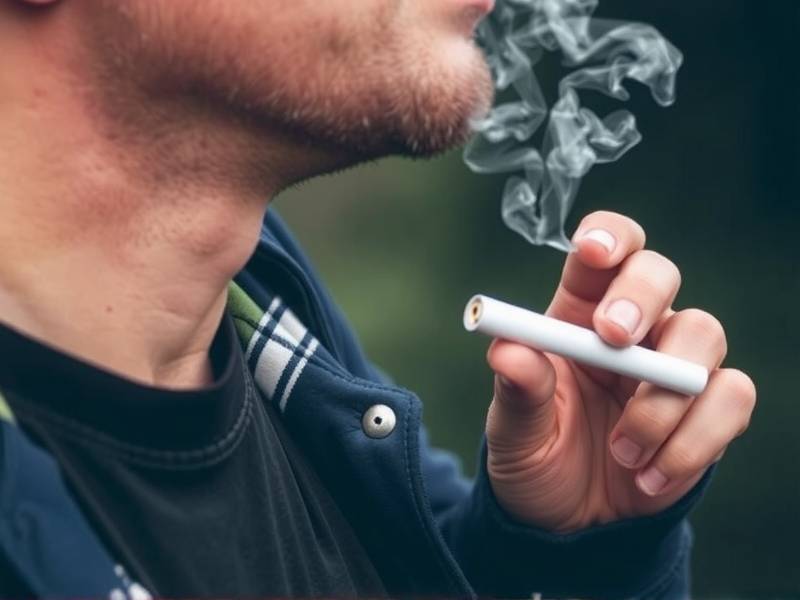
The hardest stage of quitting smoking often begins within the first few days or weeks after making the decision to quit. This period is marked by intense cravings for nicotine, which can be overwhelming and mentally exhausting. Cravings are driven by the body's physical dependence on nicotine, as well as psychological factors like habit and stress relief.
Overcoming Physical Withdrawal
Physical withdrawal symptoms can include headaches, irritability, insomnia, and anxiety. These symptoms are a direct response to the body's adjustment to lower levels of nicotine. While they can be distressing, it's important to remember that these symptoms are temporary and will diminish over time.
Coping with Psychological Factors
The psychological aspects of quitting smoking can be equally challenging. Many smokers find themselves turning to cigarettes in times of stress or boredom as a coping mechanism. Breaking this habit requires identifying alternative ways to manage stress and find enjoyment without smoking.
Strategies for Navigating the Hardest Stage
-
Prepare Thoroughly: Before you quit, take time to prepare mentally and physically. This may involve researching different methods of cessation, setting a quit date, and creating a support system.
-
Stay Hydrated: Drinking plenty of water can help alleviate some withdrawal symptoms like headaches.
-
Eat Healthily: A balanced diet rich in fruits, vegetables, and whole grains can provide essential nutrients that support your body during withdrawal.
-
Exercise Regularly: Physical activity increases endorphins, which can improve your mood and reduce cravings.
-
Seek Support: Joining a support group or seeking professional help from a therapist or counselor can provide valuable guidance and encouragement during this challenging time.
-
Use Nicotine Replacement Therapy (NRT): NRT products such as gum, patches, lozenges, or inhalers can help alleviate cravings by providing small doses of nicotine without all the harmful effects of smoking.
-
Identify Triggers: Recognize situations or emotions that might trigger your urge to smoke and plan ahead with strategies to cope with these triggers.
-
Stay Patient with Yourself: Understand that relapse is common but not inevitable. Each attempt at quitting is progress towards your goal.
Conclusion:
The hardest stage of quitting smoking is undoubtedly one filled with physical withdrawal symptoms and psychological challenges. However, by understanding these difficulties and employing effective strategies for overcoming them, you can increase your chances of successfully breaking free from tobacco addiction once and for all. Remember that persistence is key; even if you face setbacks along the way, every attempt brings you one step closer to a smoke-free life.