
How Long Does Fatigue Last After You Quit Smoking?
The Persistent Shadow of Fatigue: Understanding Its Duration Post-Quitting Smoking
Introduction: The journey to quit smoking is often fraught with challenges, and fatigue is one of the most common side effects that smokers face. But how long does this feeling of exhaustion linger after you kick the habit? In this article, we delve into the science behind post-quitting fatigue and provide insights into its duration.
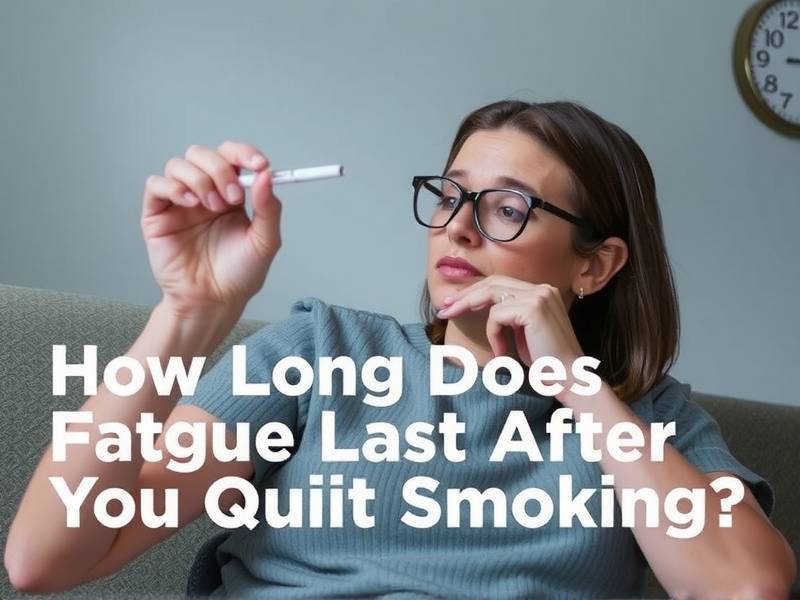
Understanding Post-Quitting Fatigue
-
The Immediate Impact When you quit smoking, your body goes through a period of adjustment as it eliminates nicotine and its harmful byproducts. This initial phase can lead to increased feelings of fatigue as your body tries to restore balance.
-
The Role of Nicotine Withdrawal Nicotine is a stimulant that affects the brain's dopamine levels, which regulate pleasure and reward. Quitting smoking disrupts this delicate balance, leading to symptoms like irritability, anxiety, and yes, fatigue.
Duration of Fatigue
-
Short-Term Fatigue Most smokers experience short-term fatigue within the first few days or weeks after quitting. This period can last up to two weeks for some individuals.
-
Long-Term Fatigue While short-term fatigue typically resolves quickly, some people may continue to feel tired for several months post-quit. This long-term fatigue can be attributed to factors like sleep disturbances and changes in metabolism.
-
Individual Variations It's important to note that the duration of fatigue varies from person to person. Factors such as age, overall health, and the length of time you smoked can all influence how long you might experience persistent exhaustion.
Strategies to Combat Fatigue
-
Prioritize Sleep Good quality sleep is crucial during the quitting process. Aim for 7-9 hours per night and establish a regular sleep schedule.
-
Stay Hydrated Dehydration can exacerbate feelings of fatigue. Drink plenty of water throughout the day.
-
Maintain a Balanced Diet A nutritious diet rich in fruits, vegetables, whole grains, lean proteins, and healthy fats can help boost energy levels.
-
Regular Exercise Engaging in moderate physical activity can improve energy levels and overall well-being.
-
Seek Support Joining a support group or seeking counseling can provide emotional support and practical advice on managing fatigue.
Conclusion: Quitting smoking is a significant step towards better health, but it comes with its own set of challenges like fatigue. Understanding the duration of this symptom can help you prepare for what lies ahead and adopt strategies to cope effectively. Remember, persistence pays off – both in overcoming fatigue and in achieving a smoke-free life.