
Do Your Lungs Really Return to Normal After Quitting Smoking?
Do Your Lungs Really Return to Normal After Quitting Smoking?
Introduction: Smoking has been a widely discussed topic for years, and the health risks associated with it are well-known. One common question that arises among smokers is whether their lungs can truly return to normal after quitting smoking. In this article, we will delve into this topic and explore the scientific evidence behind it.
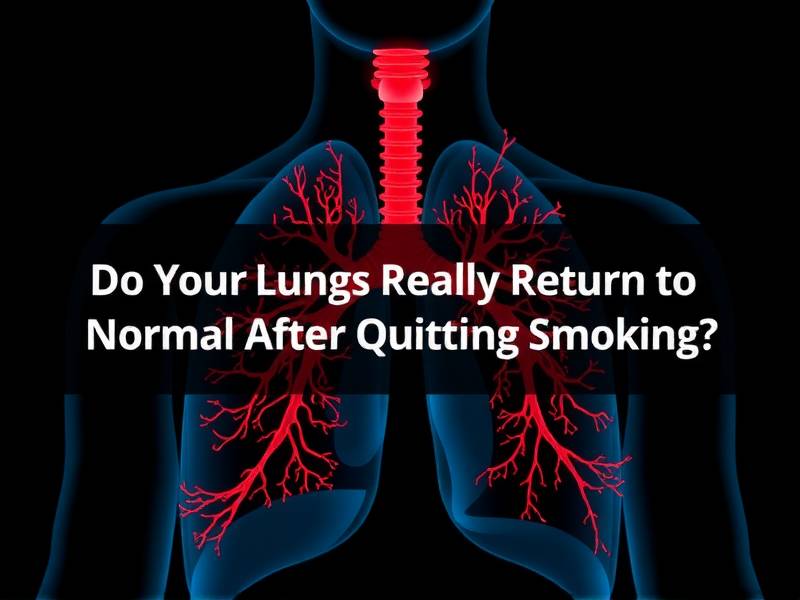
Section 1: The Impact of Smoking on Lungs Smoking is a leading cause of lung diseases, including chronic obstructive pulmonary disease (COPD), emphysema, and lung cancer. The harmful chemicals present in cigarettes damage the delicate tissues of the lungs, leading to inflammation and scarring. However, many people wonder if these damages can be reversed after quitting smoking.
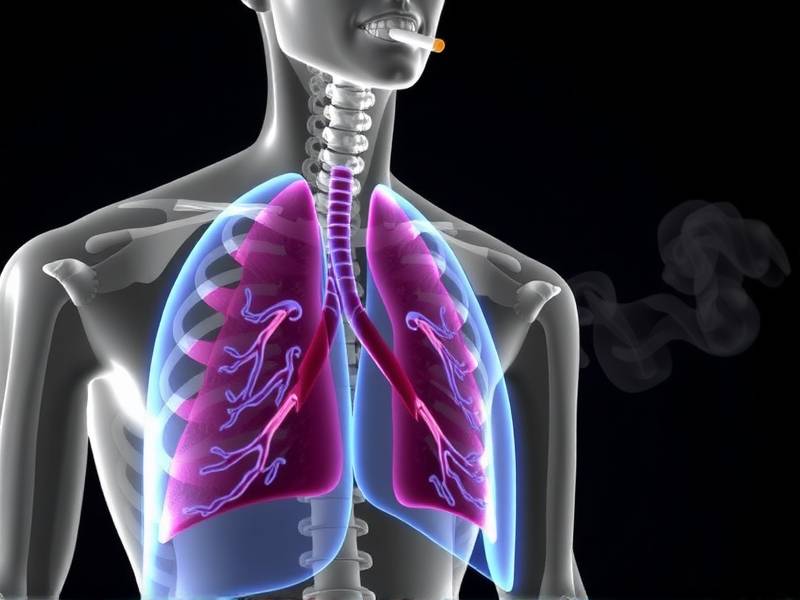
Section 2: The Healing Process According to the American Lung Association, when you quit smoking, your lungs begin to heal almost immediately. Within 48 hours of quitting, your body's carbon monoxide levels drop significantly, improving oxygen flow to your heart and brain. Over time, the cilia in your lungs start to regenerate, which helps in clearing out mucus and other particles that have accumulated due to smoking.
Subsection 2.1: Early Recovery In the first few weeks after quitting smoking, you may notice an improvement in your breathing and a decrease in coughing or wheezing. This is because your lungs are gradually clearing out the tar and other substances that have built up over time.
Subsection 2.2: Long-term Benefits After several years of not smoking, you can expect significant improvements in lung function. According to a study published in The New England Journal of Medicine, former smokers have a reduced risk of developing COPD compared to those who continue smoking.
Section 3: Factors Affecting Lung Recovery It's important to note that while quitting smoking can lead to lung recovery, certain factors can influence the process:
- Age: Younger individuals tend to recover faster than older smokers.
- Duration of Smoking: The longer you smoke, the more significant the damage may be.
- Severity of Smoking Habit: Heavier smokers may experience slower recovery compared to lighter smokers.
- Genetic Factors: Some individuals may have a genetic predisposition that affects lung healing.
Conclusion: In conclusion, while it may take time for your lungs to fully recover after quitting smoking, there is evidence that suggests they can indeed return to normal function. By making the decision to quit smoking today, you are taking a significant step towards improving your overall health and well-being. Remember that it's never too late to start this journey towards better lung health!