
Will Cellulite from Smoking Go Away After Quitting Smoking?
The Truth Behind Cellulite and Smoking: Does Quitting Really Help?
Introduction: Cellulite has long been a concern for many individuals, often associated with weight gain and poor diet. However, did you know that smoking can also contribute to the appearance of cellulite? Many smokers wonder if quitting smoking will lead to the disappearance of cellulite. In this article, we will explore the relationship between smoking and cellulite, and whether giving up cigarettes can help improve its appearance.
What is Cellulite? Before delving into the connection between smoking and cellulite, let's first understand what cellulite is. Cellulite is a common skin condition characterized by dimpled or lumpy skin in specific areas such as the thighs, buttocks, and arms. It occurs when fat deposits push against connective tissues just beneath the skin's surface.
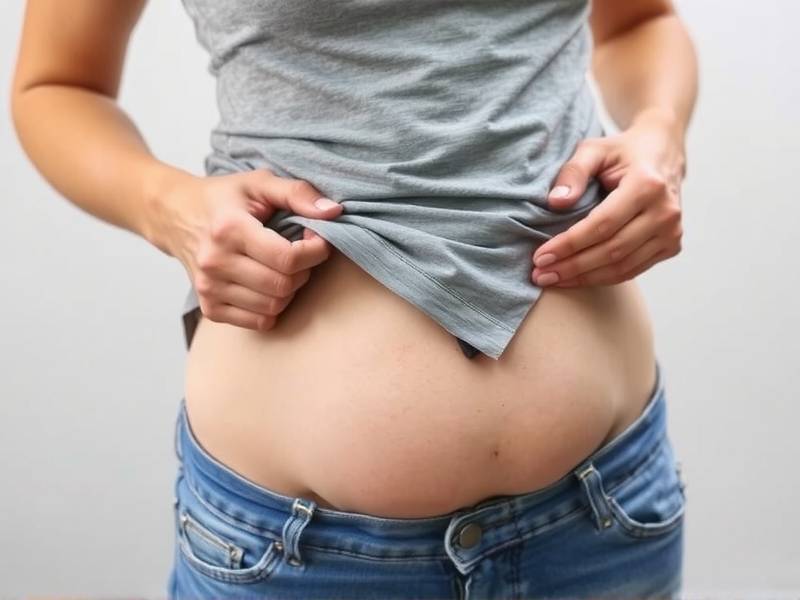
How Smoking Contributes to Cellulite: Smoking has been linked to numerous health issues, including skin problems. Here are a few ways in which smoking can exacerbate cellulite:
-
Collagen Breakdown: Nicotine in cigarettes promotes collagen breakdown, leading to weakened connective tissues. This weakening makes it easier for fat cells to push against the connective tissues, resulting in the formation of cellulite.
-
Reduced Blood Flow: Smoking restricts blood flow throughout the body, including the skin's surface. Poor blood flow hampers oxygen and nutrient delivery to cells, making it difficult for them to function optimally and contributing to cellulite formation.
-
Inflammation: Smoking triggers chronic inflammation within the body, which can worsen existing cellulite or even cause new areas of cellulite to appear.
Does Quitting Smoking Help Reduce Cellulite? While quitting smoking may not completely eliminate cellulite overnight, it can significantly improve its appearance over time:
-
Improved Collagen Production: As you quit smoking, your body begins producing more collagen, strengthening connective tissues and reducing fat cell movement beneath the skin's surface.
-
Enhanced Blood Flow: With improved blood flow due to reduced nicotine levels in your system, your skin receives more oxygen and nutrients necessary for optimal health.
-
Reduced Inflammation: Quitting smoking helps lower chronic inflammation levels in your body, which can lead to a reduction in existing cellulite and prevent new areas from forming.
Conclusion: Although quitting smoking may not directly eliminate all instances of cellulite immediately after cessation, it is an essential step towards improving its appearance over time. By addressing the root causes of cellulite related to smoking – collagen breakdown, poor blood flow, and inflammation – you give your body a better chance of healing itself from within.
Remember that maintaining a healthy lifestyle with proper diet and exercise is also crucial for reducing cellulite. So while quitting smoking may be a significant step towards healthier-looking skin, it is just one part of a broader approach to tackling this common concern.