
Can Quitting Smoking Reverse the Damage?
Can Quitting Smoking Reverse the Damage? A Comprehensive Guide
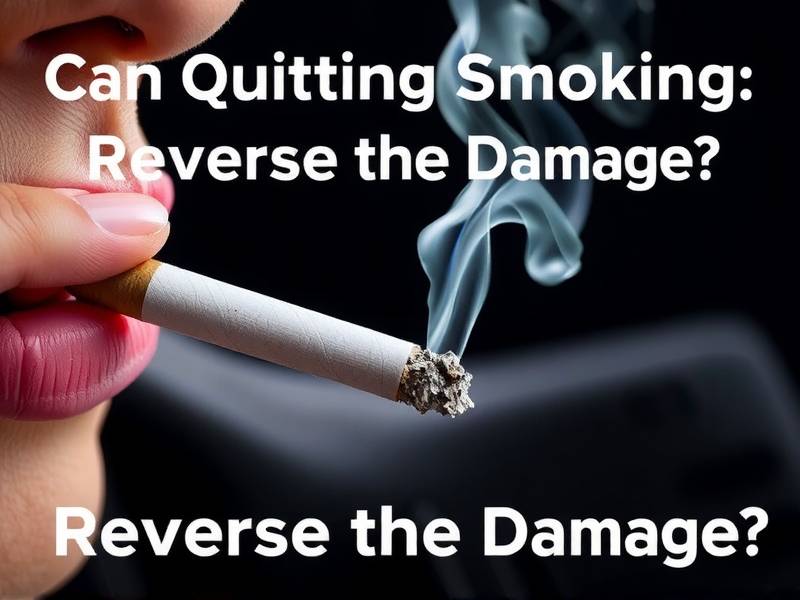
Introduction: Smoking is a prevalent habit that has numerous adverse effects on one's health. Many individuals are aware of the risks associated with smoking, yet they find it challenging to quit. One of the most pressing questions that smokers often ask is whether quitting smoking can reverse the damage caused by years of tobacco use. In this article, we will delve into this topic and explore the potential benefits of quitting smoking.
I. Understanding the Damage Caused by Smoking: Smoking has been linked to various health issues, including heart disease, stroke, lung cancer, and chronic obstructive pulmonary disease (COPD). The chemicals present in tobacco smoke can cause severe damage to nearly every organ in the body.

II. The Benefits of Quitting Smoking:
-
Improved Heart Health: Quitting smoking can significantly improve heart health. Within a few weeks of quitting, your heart rate and blood pressure begin to normalize, reducing the risk of heart attacks and strokes.
-
Reduced Risk of Cancer: Cigarette smoke contains over 7,000 chemicals, many of which are carcinogenic. By quitting smoking, you can significantly reduce your risk of developing various types of cancer.
-
Better Lung Function: Quitting smoking can help improve lung function and reduce symptoms associated with COPD. It allows your lungs to repair some of the damage caused by tobacco smoke.
-
Enhanced Immune System: Smokers have a weakened immune system due to nicotine exposure. Quitting smoking can help strengthen your immune system and make you more resistant to infections.
III. Reversing Damage with Time: While it is not possible to reverse all damage caused by smoking instantly upon quitting, there are several ways in which your body begins to repair itself:
- Within 12 Hours: Nicotine levels drop below detectable levels in your blood.
- Within 2-3 Weeks: Circulation improves as lung function begins to recover.
- Within 1-9 Months: Coughing and shortness of breath decrease as lung function continues to improve.
- Within 1 Year: Risk of coronary heart disease is cut in half.
- Within 5 Years: Risk of stroke is reduced.
- Within 10 Years: Risk of lung cancer is cut in half.
- Within 15 Years: Risk of coronary heart disease is similar to that of a nonsmoker.
IV. Strategies for Successful Quitting: Quitting smoking can be challenging; however, there are various strategies that can help you succeed:
- Seek Support: Joining a support group or seeking counseling from a healthcare professional can provide you with guidance and encouragement throughout your journey.
- Nicotine Replacement Therapy (NRT): NRT products such as patches, gum, lozenges, or inhalers can help alleviate withdrawal symptoms.
- Medications: Prescription medications like bupropion or varenicline may be effective for some individuals.
- Alternative Therapies: Hypnosis or acupuncture may also be helpful for some smokers. 5.Set Realistic Goals: Set achievable goals for yourself and track your progress along the way.
Conclusion: While it may not be possible to reverse all damage caused by smoking instantly upon quitting, there are numerous benefits that come with giving up this harmful habit forever. By adopting healthy lifestyle choices and seeking support when needed, you can take steps towards reversing some of the damage caused by tobacco use and improving your overall well-being.