
Can't Sleep After Quitting Weed? Here's Why and What to Do
Can't Sleep After Quitting Weed? Here's Why and What to Do
Introduction: Quitting weed can be a challenging journey, and one of the most common side effects is difficulty sleeping. If you've recently quit smoking marijuana and are struggling to get a good night's rest, you're not alone. This article will explore the reasons behind this issue and provide practical tips on how to improve your sleep after quitting weed.
Why Can't You Sleep After Quitting Weed?
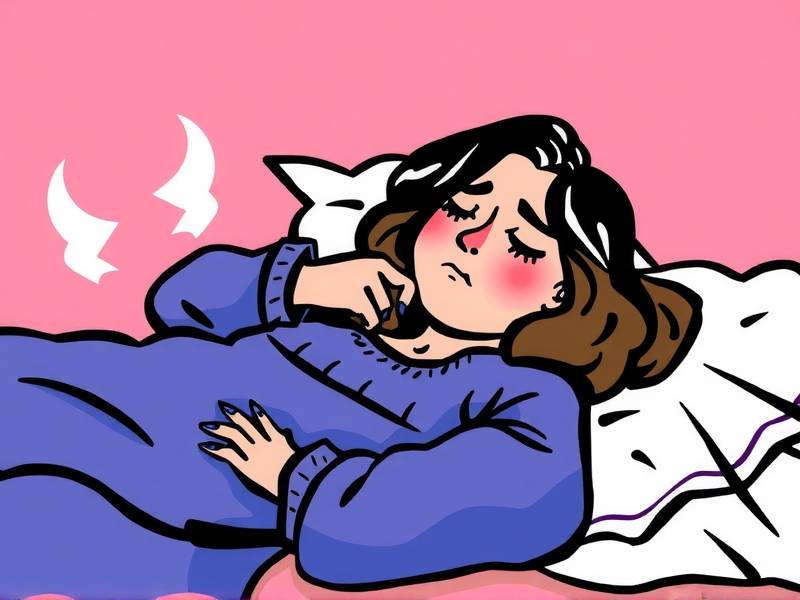
-
Withdrawal Symptoms: One of the primary reasons for sleep disturbances after quitting weed is withdrawal symptoms. When you stop using marijuana, your body adjusts to the absence of the drug, leading to various symptoms, including insomnia.
-
Disrupted Sleep Cycles: Marijuana affects your sleep cycles by altering the production of melatonin, the hormone responsible for regulating sleep. Without weed, your body may struggle to produce melatonin at appropriate levels, resulting in disrupted sleep patterns.
-
Anxiety and Stress: Quitting weed can also lead to increased anxiety and stress levels. These emotions can make it difficult to relax and fall asleep, further exacerbating insomnia.
-
Physical Discomfort: Some individuals may experience physical discomfort or pain after quitting weed due to muscle tension or withdrawal symptoms like headaches. This discomfort can interfere with their ability to fall asleep or stay asleep throughout the night.
What Can You Do to Improve Your Sleep?
-
Establish a Consistent Sleep Schedule: Create a regular sleep schedule by going to bed and waking up at the same time every day, even on weekends. This will help regulate your body's internal clock and improve your sleep quality.
-
Create a Relaxing Bedtime Routine: Develop a calming bedtime routine that helps signal your body that it's time to wind down. This could include activities such as reading a book, taking a warm bath, or practicing relaxation techniques like deep breathing or meditation.
-
Limit Exposure to Blue Light: Reduce exposure to blue light from electronic devices such as smartphones, tablets, and computers before bedtime. The blue light emitted by these devices can interfere with melatonin production and make it harder to fall asleep.
-
Stay Active During the Day: Regular physical activity during the day can help improve sleep quality at night. Aim for at least 30 minutes of moderate exercise most days of the week.
-
Avoid Stimulants Before Bedtime: Stay away from stimulants like caffeine and nicotine close to bedtime as they can disrupt your sleep patterns.

-
Consider Alternative Therapies: If you're still struggling with insomnia after trying these tips, consider alternative therapies such as cognitive-behavioral therapy (CBT) for insomnia or seeking advice from a healthcare professional who specializes in sleep disorders.
Conclusion: Sleep difficulties are common when quitting weed due to withdrawal symptoms, disrupted sleep cycles, anxiety, stress, and physical discomfort. By implementing these strategies and seeking professional help if needed, you can improve your sleep quality after quitting marijuana and continue on your journey towards better health and well-being.