
How Long Do Panic Attacks Last After Quitting Smoking?
Understanding the Link Between Smoking and Panic Attacks
Quitting smoking is a significant life change that often comes with a host of challenges. One common concern for many smokers is the potential for experiencing panic attacks after they quit. But how long do panic attacks last after quitting smoking? Let's delve into this topic to provide clarity and support for those embarking on this journey.
What Are Panic Attacks?
A panic attack is a sudden episode of intense fear or discomfort that peaks within minutes. During a panic attack, individuals may experience symptoms such as rapid heart rate, sweating, trembling, shortness of breath, and feelings of impending doom. It's important to note that while these symptoms can be distressing, they are not harmful in themselves.
The Connection Between Smoking and Panic Attacks
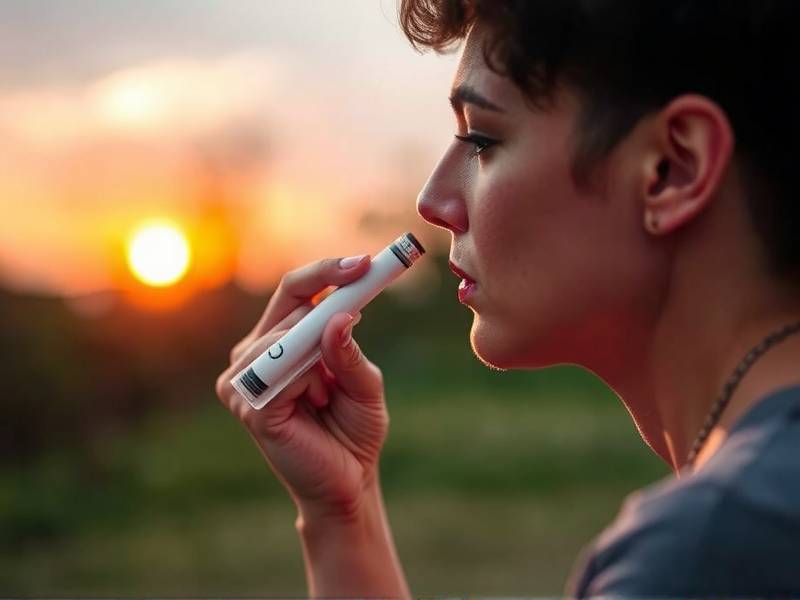
Smokers often use cigarettes as a coping mechanism for stress and anxiety. When someone stops smoking, these underlying feelings can surface more prominently, leading to the occurrence of panic attacks. The nicotine in cigarettes acts as a sedative in the brain, so withdrawal can cause heightened anxiety levels.

How Long Do Panic Attacks Last?
The duration of a panic attack can vary from person to person. Generally, they tend to peak within 10 minutes and then subside over the next 20-30 minutes. However, some individuals may experience symptoms for up to an hour.
It's also worth noting that while the acute symptoms of a panic attack usually pass relatively quickly, the anxiety that triggers them may persist longer. This is why it's important to have strategies in place to manage ongoing anxiety.
Managing Anxiety After Quitting Smoking
Here are some effective strategies to help manage anxiety and reduce the likelihood and duration of panic attacks after quitting smoking:
- Deep Breathing Exercises: These can help calm your nervous system and reduce feelings of panic.
- Mindfulness Meditation: This practice helps you stay present in the moment and can be particularly useful for managing anxiety.
- Regular Physical Activity: Exercise releases endorphins, which are natural mood lifters.
- Adequate Sleep: Ensure you're getting enough restful sleep each night.
- Healthy Eating Habits: A balanced diet can improve your overall well-being and help regulate mood swings.
- Seek Support: Talk to friends, family, or professionals who can offer guidance and encouragement.
Conclusion
Quitting smoking is a challenging endeavor, but understanding what to expect regarding potential side effects like panic attacks can help you prepare mentally and emotionally. While panic attacks are often short-lived when they do occur after quitting smoking, it's crucial to have strategies in place for managing anxiety in the long term.
Remember, it's never too late to start your journey towards a smoke-free life. With patience, support, and proper management techniques, you can navigate through these initial challenges successfully.
By providing comprehensive information on how long panic attacks last after quitting smoking and offering practical tips for managing anxiety, this article aims to assist individuals on their path towards better health and well-being.