
Why Do You Cough Up Phlegm After Quitting Smoking? The Science Behind the Issue
Introduction: The Unexpected Side Effect of Quitting Smoking
Quitting smoking is a significant step towards improving one's health. However, many individuals experience an unexpected side effect: coughing up phlegm. This phenomenon is quite common and can be unsettling for those who have recently quit. In this article, we delve into the science behind why this happens and how it relates to the process of quitting smoking.
The Role of Nicotine in Your Lungs
Nicotine, the primary addictive substance in cigarettes, affects the respiratory system in several ways. One of its effects is to constrict blood vessels in the lungs, reducing blood flow and oxygenation. This constriction also affects the mucous membranes lining your airways, leading to a buildup of mucus.
The Body's Response to Quitting Smoking
When you stop smoking, your body begins to repair itself. One of the first responses is an increase in mucus production as your lungs try to clear out the accumulated tar and toxins. This excess mucus can lead to coughing as your body attempts to expel it.
1. Increased Mucus Production
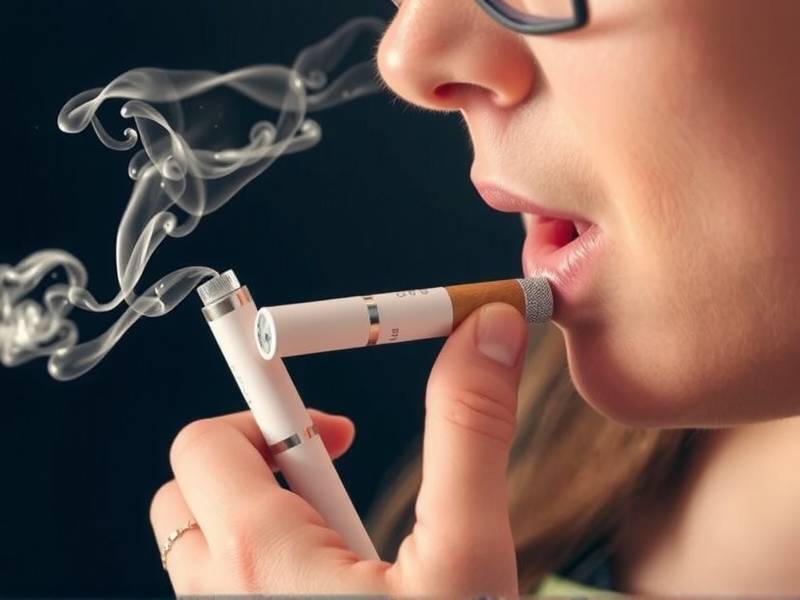
After quitting smoking, your body produces more mucus as it tries to flush out irritants from the lungs. This increase in mucus production is a sign that your body is working hard to heal itself.
2. Coughing as a Cleansing Mechanism
The coughing that occurs after quitting smoking serves as a natural cleansing mechanism for your lungs. It helps remove trapped particles and toxins that have been deposited on the lung surfaces over time.
How Long Does It Last?
The duration of this cough can vary from person to person but typically lasts for several weeks or months after quitting smoking. Some individuals may experience it for longer periods, while others may notice improvement within a few weeks.
Managing Cough After Quitting Smoking
To manage coughing after quitting smoking, consider the following tips:
- Stay hydrated: Drinking plenty of water helps thin out mucus and makes it easier for your body to expel.
- Use steam inhalation: Breathing in steam can help relax your airways and make coughing more effective.
- Avoid irritants: Stay away from smoke-filled environments or any other factors that may trigger coughing.
- Consider over-the-counter remedies: Decongestants or cough suppressants may provide relief for some individuals.
Conclusion: Embracing Change for a Healthier Life
Coughing up phlegm after quitting smoking is a temporary side effect that signifies your body's efforts to heal itself. By understanding its causes and managing symptoms effectively, you can navigate through this phase with greater ease and move closer towards achieving long-term health benefits.
Remember, every step you take towards quitting smoking is a victory for your health. Stay committed and be patient as your body adjusts during this transformative journey.