
How Long Will Insomnia Last After Quitting Smoking?
Understanding the Timeline of Insomnia Post-Quitting Smoking
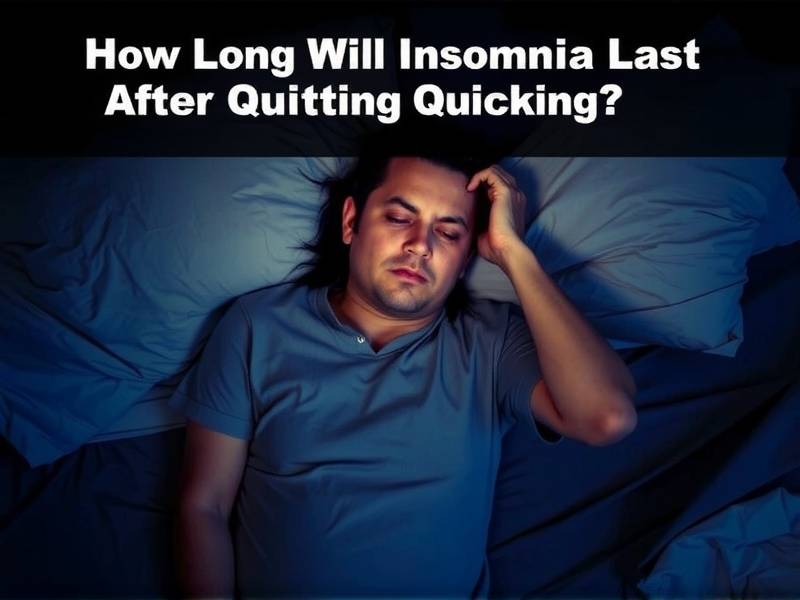
Subheading: How Long Does It Take for Sleep Patterns to Normalize After Smoking Cessation?
Introduction: Quitting smoking is a significant step towards a healthier lifestyle, but it often comes with its own set of challenges. One common issue many smokers face is insomnia, which can be both frustrating and persistent. This article delves into how long insomnia might last after you quit smoking, offering insights into the recovery process and tips for managing sleep disturbances.

The Immediate Impact of Quitting Smoking on Sleep
When you quit smoking, your body undergoes several changes. Nicotine withdrawal can disrupt your sleep patterns almost immediately. This is because nicotine is a stimulant that can keep you awake, and its absence can lead to restlessness and difficulty falling asleep.
How Long Does Insomnia Last?
The duration of insomnia after quitting smoking can vary from person to person. While some may experience immediate relief, others may find that their sleep issues persist for several weeks or even months.
-
First Week: Many individuals report that their insomnia peaks within the first week of quitting. This is when the body is adjusting to the lack of nicotine.
-
First Month: By the end of the first month, most people start to see improvement in their sleep quality. However, some may still experience occasional sleepless nights.
-
First Three Months: By this stage, most people have adjusted to their new smoke-free lifestyle and should notice significant improvements in their sleep patterns.
-
Long-Term Recovery: For some, it may take up to six months or more for sleep patterns to fully stabilize post-cessation.
Factors Influencing Insomnia Duration
Several factors can influence how long insomnia lasts after quitting smoking:
- Nicotine Dependence Level: Heavier smokers may experience more severe withdrawal symptoms and longer-lasting insomnia.
- Age: Younger individuals tend to recover more quickly from nicotine withdrawal than older adults.
- Overall Health: People with pre-existing sleep disorders or other health issues might find it harder to manage post-cessation insomnia.
- Stress Levels: High levels of stress can exacerbate sleep disturbances.
Tips for Managing Post-Quitting Insomnia
Here are some strategies that can help you manage insomnia after quitting smoking:
- Establish a Regular Sleep Schedule: Try to go to bed and wake up at the same time every day.
- Create a Relaxing Bedtime Routine: Activities like reading or taking a warm bath can help signal your body that it's time to wind down.
- Avoid Stimulants Before Bedtime: Stay away from caffeine and nicotine in the hours leading up to bedtime.
- Exercise Regularly: Physical activity during the day can help you fall asleep more easily at night.
- Mindfulness and Relaxation Techniques: Practices like meditation or deep breathing exercises can reduce anxiety and improve sleep quality.
Conclusion: While insomnia after quitting smoking is common, it's usually temporary. By understanding what to expect and implementing effective strategies for better sleep hygiene, you can navigate this challenging period successfully on your journey towards a smoke-free life. Remember, patience is key as your body adjusts to its new routine without nicotine's influence on your sleep patterns.