
Does Skin Repair Really Happen After Quitting Smoking?
The Truth Behind Skin Repair: How Quitting Smoking Impacts Your Complexion
Introduction: Quitting smoking is a significant step towards improving your health, and many smokers are eager to know the tangible benefits of their decision. One common query is whether the skin truly repairs itself after quitting smoking. In this article, we will delve into this topic and explore how quitting smoking can positively impact your skin's health.
Understanding the Impact of Smoking on Skin
-
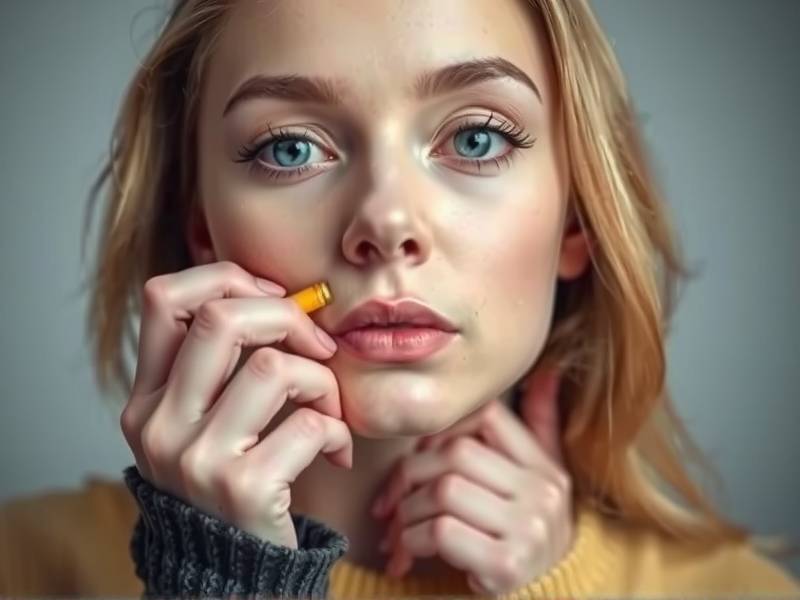
The Damage Done: Smoking is notorious for its detrimental effects on the skin. It accelerates aging, leading to wrinkles, fine lines, and a loss of elasticity. The toxins in cigarettes damage collagen and elastin fibers, which are essential for maintaining youthful skin.
-
Skin Repair Process: After quitting smoking, the body begins to repair some of the damage caused by tobacco use. However, it's essential to understand that this process can vary from person to person.
-
Increased Blood Flow: One of the primary benefits of quitting smoking is improved blood flow throughout the body, including the skin. This increased circulation helps deliver oxygen and nutrients to skin cells, promoting healing and rejuvenation.
-
Collagen Production: Quitting smoking also stimulates collagen production in the body. Collagen is a protein responsible for maintaining skin elasticity and strength. As collagen levels increase, you may notice improvements in your skin's texture and appearance.
-
Reduced Inflammation: Smoking can cause chronic inflammation in the body, which contributes to premature aging and other skin issues. Quitting smoking reduces inflammation, leading to healthier-looking skin over time.
-
Hydration Improvement: Smokers often experience dryness in their skin due to reduced blood flow and hydration levels. Quitting smoking helps improve hydration by increasing blood flow and promoting better moisture retention in the skin.
-
Long-Term Benefits: While some improvements may be noticeable within a few weeks after quitting smoking, it takes time for your skin to fully repair itself. Studies have shown that significant improvements can occur within 5-10 years post-quit date.
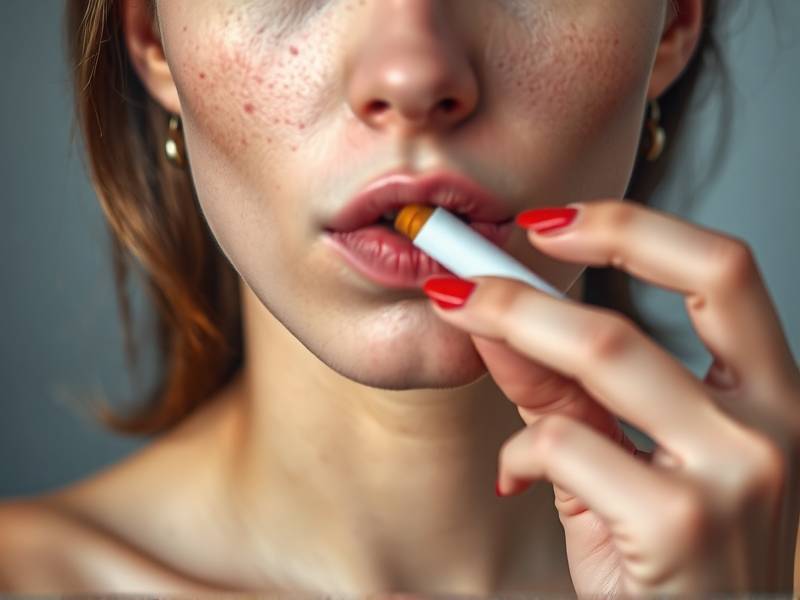
Conclusion: In conclusion, quitting smoking does indeed lead to skin repair over time. By improving blood flow, reducing inflammation, stimulating collagen production, and enhancing hydration levels, your skin can gradually regain its youthful appearance. So if you're considering quitting smoking for your health or appearance's sake, know that your decision has long-lasting benefits for your complexion as well!