
How to Exercise Your Lungs After Quitting Smoking: Tips and Exercises for Better Respiratory Health
How to Exercise Your Lungs After Quitting Smoking: Tips and Exercises for Enhanced Respiratory Health
Introduction: Quitting smoking is a significant step towards improving your health, but it's not just about the physical benefits. Enhancing your respiratory health is equally crucial. Regular exercise can help strengthen your lungs, improve oxygen flow, and boost overall well-being. In this article, we will explore tips and exercises specifically designed to exercise your lungs after quitting smoking.
- Understanding the Impact of Smoking on Lungs
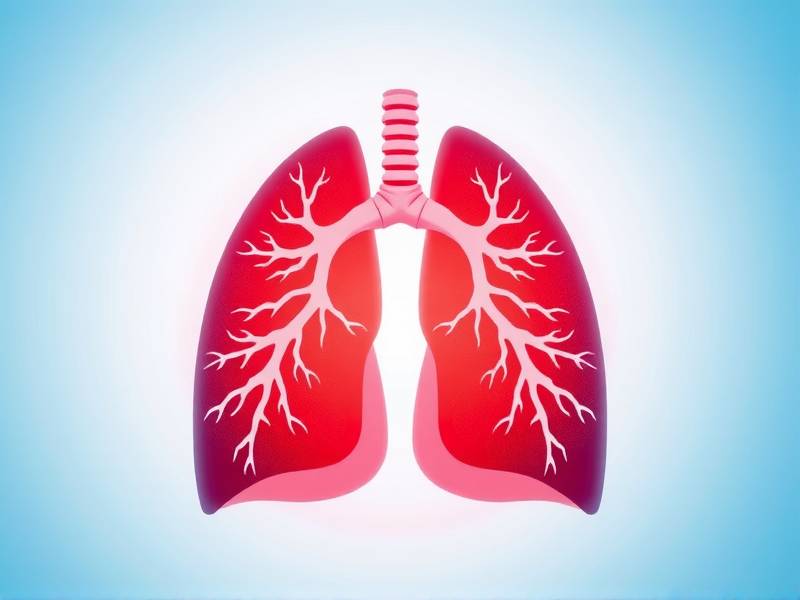
Before diving into exercises, it's essential to understand how smoking affects your lungs. The harmful chemicals in cigarettes damage lung tissue, reduce oxygen capacity, and weaken the respiratory system. By quitting smoking, you start reversing these damages, but it's important to actively work on improving lung function.

- Tips for Exercising Your Lungs
a) Breathe Deeply: Practice deep breathing exercises daily to increase lung capacity and improve oxygen flow throughout your body. Focus on taking slow, deep breaths through your nose and exhaling through your mouth.
b) Stay Hydrated: Drinking plenty of water helps maintain healthy lung function by keeping mucus thin and easy to expel.
c) Avoid Polluted Air: Try to minimize exposure to polluted environments as they can further irritate your lungs.
d) Quit Smoking: Although you've already quit smoking, staying smoke-free is crucial for continued lung health improvement.
- Exercises for Lung Strength
a) Pursed Lip Breathing: This exercise helps increase lung capacity and improve oxygen exchange. Inhale deeply through your nose and exhale slowly through pursed lips as if whistling.
b) Fluttering Breath: Fluttering breath involves inhaling deeply through the nose and then exhaling rapidly through pursed lips while fluttering the tongue in a rhythmic motion.
c) Diaphragmatic Breathing: Lie on your back with knees bent and hands resting on your abdomen. Inhale deeply as you allow your abdomen to rise; exhale slowly as you push air out from the abdomen.
d) Push-ups or Planks: Incorporating strength training exercises can help improve overall fitness levels while strengthening the muscles involved in breathing.
- Benefits of Regular Exercise for Lungs
Regular exercise offers numerous benefits for lung health:
a) Increased Oxygen Supply: Exercise enhances oxygen delivery throughout the body, promoting better lung function.
b) Improved Lung Capacity: Over time, exercising regularly can increase lung capacity and improve overall respiratory efficiency.
c) Reduced Risk of Respiratory Diseases: Engaging in regular physical activity can lower the risk of developing chronic obstructive pulmonary disease (COPD), asthma, or other respiratory conditions associated with smoking.
Conclusion:
Quitting smoking is a commendable achievement that opens doors to improved health. By incorporating these tips and exercises into your routine, you can enhance lung function and promote better respiratory health. Remember that consistency is key – make time for these practices daily to reap long-term benefits from quitting smoking.