
Can Your Eyesight Really Improve After You Quit Smoking?
Introduction: The Link Between Smoking and Eye Health
When it comes to the health implications of smoking, most people are aware of the risks to the lungs, heart, and skin. However, the effects of smoking on eyesight are often overlooked. Many smokers wonder if quitting can truly improve their vision. Let's delve into this topic and explore whether there's any truth to the claim that eyesight can improve after quitting smoking.
The Impact of Smoking on Vision
Cataracts and Age-Related Macular Degeneration
One of the most common eye conditions associated with smoking is cataracts. Cataracts occur when proteins in the lens of the eye clump together, clouding vision. Smoking accelerates this process, leading to an increased risk of developing cataracts at a younger age.
Age-related macular degeneration (AMD) is another condition where smoking plays a significant role. AMD affects the macula, the part of the eye responsible for sharp central vision. Smokers are more likely to develop AMD and have a higher risk of progressing to advanced stages.
Dry Eyes and Other Eye Conditions
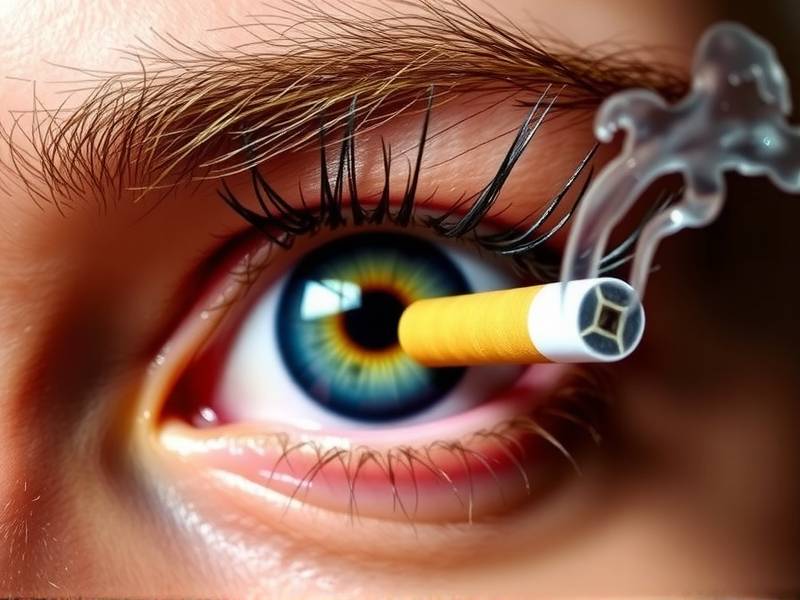
Smoking also contributes to dry eyes, which can cause discomfort, irritation, and blurred vision. Additionally, it may increase the risk of developing uveitis (inflammation inside the eye), corneal ulcers, and even blindness in severe cases.
The Potential for Improvement Post-Quitting
Timeframe for Vision Improvement
The good news is that there is evidence to suggest that quitting smoking can lead to improvements in eye health over time. Research indicates that within 12 months after quitting, there may be a reduction in symptoms like dry eyes and an improvement in overall ocular comfort.
Long-Term Benefits
For those who continue to smoke past this initial period, however, long-term benefits may be more challenging to achieve. It's important to note that while some vision damage may be reversible with quitting, others may not be fully restored.
Case Studies and Personal Testimonials
Numerous case studies and personal testimonials from former smokers support the idea that their eyesight improved after they quit. These stories serve as powerful motivators for those considering戒烟.
How Quitting Helps Your Eyes
Reduced Inflammation
Quitting smoking reduces inflammation throughout the body, including in the eyes. This can lead to a decrease in eye conditions like uveitis and other inflammatory diseases.
Improved Blood Flow
Smoking constricts blood vessels, which can affect blood flow to various parts of the body—including the eyes. By quitting, you're helping ensure that your eyes receive adequate oxygen and nutrients necessary for healthy vision.
Conclusion: The Case for Quitting
While it's not guaranteed that your eyesight will dramatically improve after you quit smoking—especially if you've smoked for many years—it's clear that there are numerous benefits for your overall eye health. If you're considering quitting or have already made this decision, remember that every day without a cigarette brings you closer to potentially improving your vision.
For those who have already experienced improvements in their eyesight post-quit, sharing your story can inspire others on their journey towards better health. Remember, it's never too late to start making positive changes for your eyes—and your overall well-being!