
How Long After Quitting Smoking Can You Still Get Lung Cancer?
How Long After Quitting Smoking Can You Still Get Lung Cancer?
Understanding the Risk of Lung Cancer Post-Quitting
Quitting smoking is a monumental decision that can lead to significant health improvements. Many smokers are eager to know how long it takes for their lungs to recover after they quit, and whether they are still at risk of developing lung cancer. This article delves into the timeline of lung cancer risk after quitting smoking and provides insights based on current medical research.
Immediate Benefits Post-Quitting
Upon quitting smoking, your body begins to repair itself almost immediately. Within 20 minutes, your heart rate and blood pressure drop, and carbon monoxide levels in your blood start to decrease. However, the journey towards reducing the risk of lung cancer is more complex and requires patience.
Short-Term Risks Reduction
In the short term, quitting smoking can significantly reduce your risk of developing lung cancer. According to the American Lung Association, within five years of quitting, your risk for stroke drops by half. In addition, your lungs start to clear out the tar and mucus that accumulate from smoking.
Middle-Term Recovery
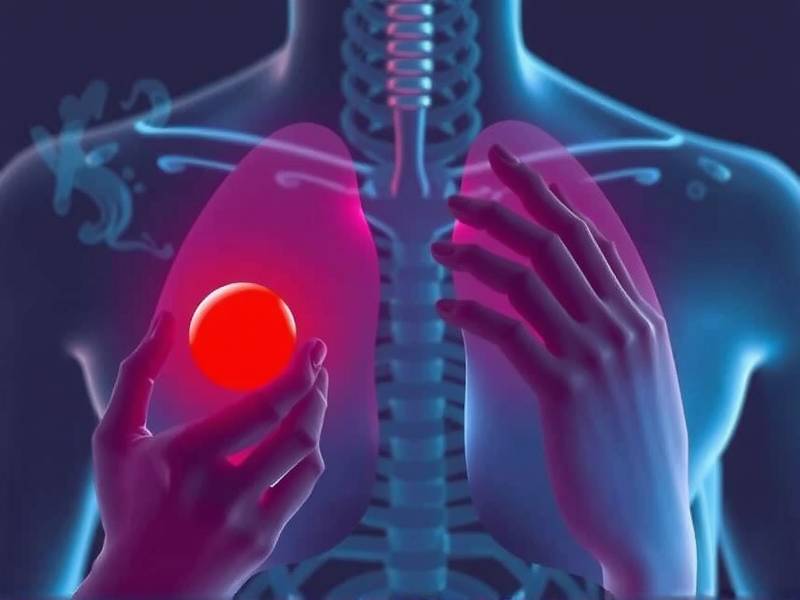
Between five and ten years after quitting, your risk of lung cancer decreases by about half compared to that of a continuing smoker. Your heart disease risk also continues to decline, and you'll be less likely to develop chronic obstructive pulmonary disease (COPD).
Long-Term Health Outlook
After 15 years without a cigarette, your risk of dying from lung cancer is similar to that of someone who has never smoked. This significant reduction in risk underscores the importance of quitting early.
The Role of Time in Reducing Risk
The length of time you've been smoke-free plays a crucial role in reducing your risk of lung cancer. While it's never too late to quit, the sooner you do so, the greater the benefits you'll experience over time.
Factors Influencing Risk Reduction
It's important to note that while quitting smoking reduces your risk over time, it doesn't eliminate it entirely. Other factors such as genetics, exposure to secondhand smoke, and environmental pollutants can still increase your risk. Therefore, maintaining a healthy lifestyle is essential even after you've quit.
Conclusion
Quitting smoking is an effective way to reduce your risk of developing lung cancer. While it may take several years for your risks to decrease significantly compared to those who continue smoking, every year smoke-free adds up to a healthier future. If you're considering quitting or have recently quit, be patient with yourself as your body continues its remarkable recovery process.
Remember that while we strive for accuracy in our articles based on available medical research at the time of writing, individual health outcomes can vary due to unique circumstances. Always consult with healthcare professionals for personalized advice regarding health concerns related to smoking cessation or lung health.