Do Your Lungs Really Regenerate After Quitting Smoking?
Do Your Lungs Really Regenerate After Quitting Smoking?
Introduction: Smoking is a well-known risk factor for lung diseases, and many smokers are eager to know if their lungs can recover after quitting. This article delves into the question: "Do your lungs really regenerate after quitting smoking?" We will explore the science behind lung regeneration and its implications for former smokers.
I. Understanding Lung Regeneration
-
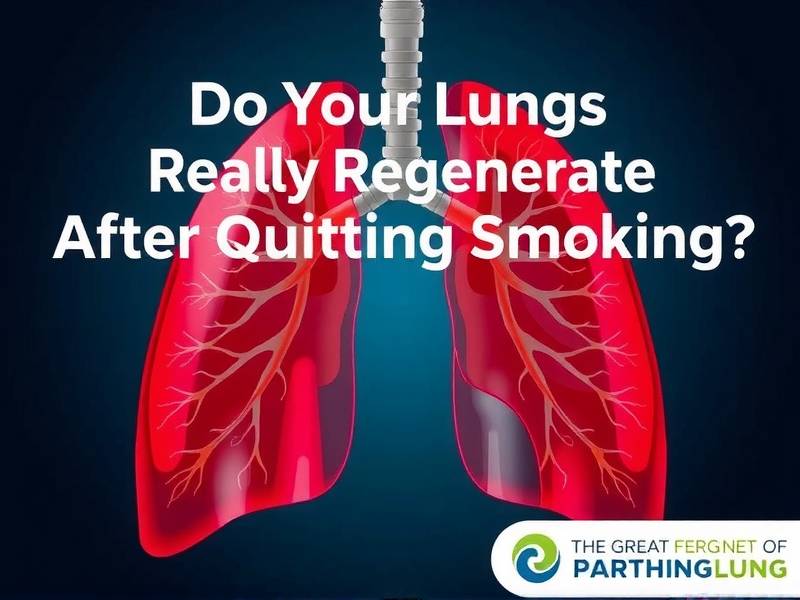
The Structure of the Lungs The human lungs are a complex organ consisting of millions of tiny air sacs called alveoli, which are responsible for oxygen exchange. When you smoke, these alveoli can become damaged or inflamed.
-
The Process of Lung Regeneration After quitting smoking, the body begins to heal itself. The process of lung regeneration involves several steps: a. Inflammation reduction: The inflammation caused by smoking decreases over time. b. Removal of damaged cells: The body eliminates damaged cells and replaces them with new ones. c. Repairing blood vessels: Blood vessels in the lungs may be damaged due to smoking; they can repair themselves after quitting. d. Alveolar regeneration: Over time, new alveoli can form in place of the damaged ones.
II. Timeframe for Lung Regeneration
- Immediate Benefits Within hours of quitting smoking, your blood pressure and pulse rate start to return to normal levels.
- Short-term Benefits (within a few weeks) Your sense of smell and taste improve, and your lung capacity starts to increase.
- Medium-term Benefits (within a few months) The coughing, shortness of breath, and fatigue associated with smoking may decrease as your lungs continue to heal.
- Long-term Benefits (within a few years) Your risk of heart disease and stroke decreases as your blood vessels repair themselves.
III. Factors Affecting Lung Regeneration
- Age: Younger individuals tend to have better lung regeneration than older individuals due to their higher cellular turnover rate.
- Duration of Smoking: Longer smoking durations can lead to more severe damage, which may affect the speed of regeneration.
- Genetic Factors: Some people may have genes that make it easier or harder for their lungs to regenerate.
IV. Conclusion While it's true that your lungs can regenerate after quitting smoking, it's important to understand that this process takes time and varies from person to person. By quitting smoking today, you're giving your body the best chance at healing itself and reducing your risk of developing serious lung diseases.
Remember that there is no magic solution or quick fix when it comes to lung regeneration; it's all about taking consistent steps towards a healthier lifestyle.
Note: This article is based on general knowledge about lung health and does not replace professional medical advice or diagnosis.
[End]