
How Long Does It Take for My Breathing to Improve After Quitting Smoking?
The Journey to Better Breathing: How Long After Quitting Smoking Does It Take?
Introduction: Quitting smoking is a significant step towards improving your overall health. One of the most noticeable changes you'll experience is an improvement in your breathing. But how long does it take for your lungs to start feeling better? In this article, we will explore the timeline of breathing improvement after quitting smoking and provide you with valuable insights to keep you motivated on your journey.
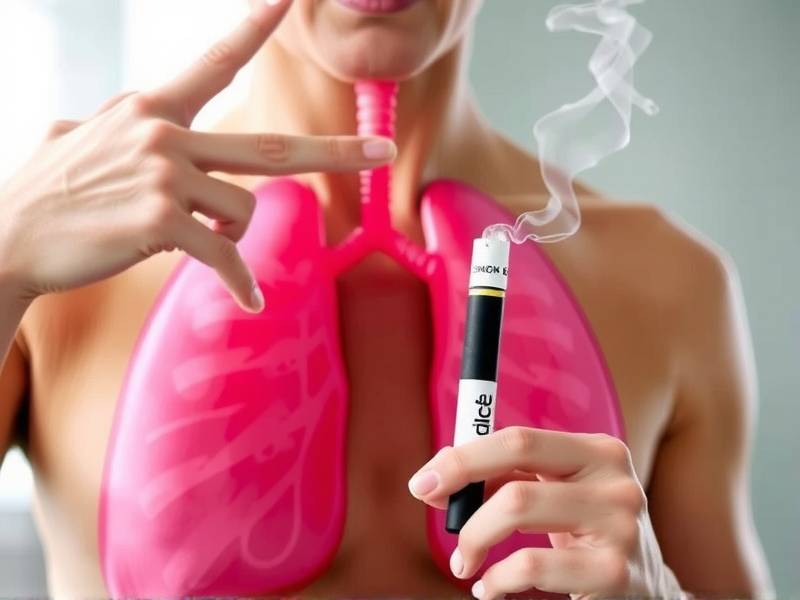
Section 1: Immediate Changes When you quit smoking, you may notice immediate changes in your breathing. Within hours of quitting, carbon monoxide levels in your blood start to decrease, allowing more oxygen to flow through your body. This can lead to a sense of alertness and improved energy levels.
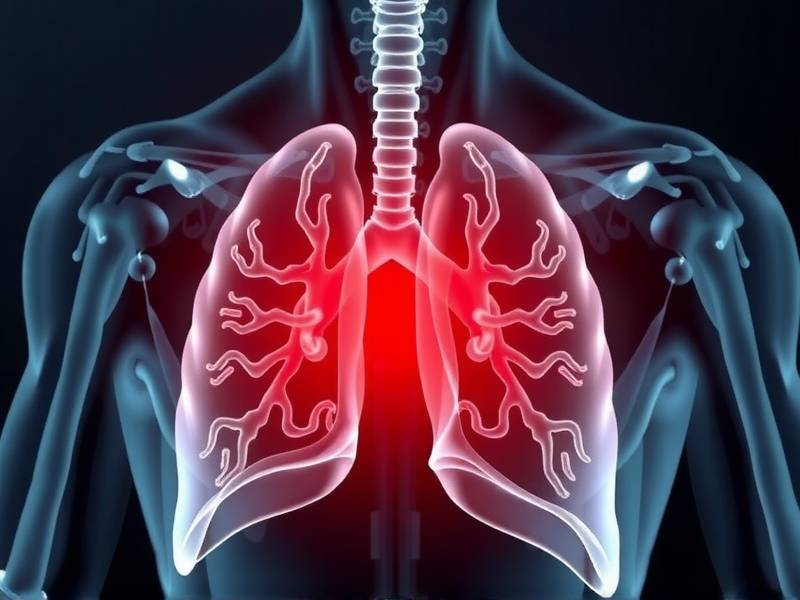
Section 2: Short-Term Improvements (1-3 Months) Within the first few weeks after quitting, you'll likely notice a reduction in coughing, shortness of breath, and wheezing. These symptoms are often due to the inflammation and irritation caused by smoking. Your lung function will begin to improve as the inflammation subsides.
According to the American Lung Association, within one month of quitting smoking, there's a 10% improvement in lung function. By three months post-quit, most people experience a significant reduction in respiratory symptoms and increased lung capacity.
Section 3: Long-Term Improvements (6 Months - 1 Year) As you continue to stay smoke-free for several months, your lungs will continue to heal and recover. By six months after quitting smoking, your lungs can filter out pollutants more effectively than they did when you were smoking.
Research from the National Institutes of Health indicates that within one year of quitting smoking, there's an additional 10% improvement in lung function compared to when you were still smoking. You may also experience fewer respiratory infections and a decrease in the frequency and severity of asthma attacks.
Section 4: Ongoing Benefits The benefits of quitting smoking don't stop after one year; they continue throughout your life. As long as you remain smoke-free, your lungs will continue to improve over time. Quitting smoking can even reverse some of the damage caused by years of smoking.
Conclusion: Improving breathing after quitting smoking is a gradual process that takes time. While immediate improvements may be noticed within hours or days, significant changes typically occur within a few months post-quit. Staying smoke-free is crucial for ongoing lung health benefits. Celebrate each milestone on your journey towards better breathing and remember that every day without a cigarette brings you one step closer to improved lung function and overall well-being.