
How Successful Is Using the Patch to Quit Smoking? A Comprehensive Review
How Successful Is Using the Patch to Quit Smoking? A Comprehensive Review
Introduction: Quitting smoking is a challenging endeavor, and various methods have been developed to help smokers kick the habit. One of the most popular smoking cessation aids is the nicotine patch. In this comprehensive review, we will explore the effectiveness of using the patch to quit smoking and delve into the latest research and user experiences.
I. Understanding the Nicotine Patch: The nicotine patch is a transdermal patch that delivers a controlled dose of nicotine to the body. It works by providing a steady stream of nicotine, reducing withdrawal symptoms and cravings associated with quitting smoking.
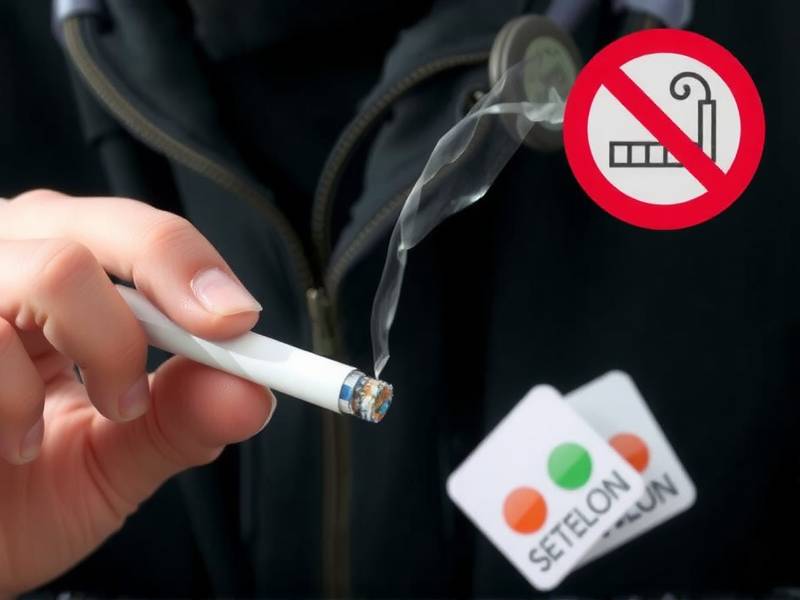
II. How Effective Is the Patch? Several studies have been conducted to assess the effectiveness of using the nicotine patch for smoking cessation. Here's a summary of some key findings:
A. Clinical Trials: Clinical trials have shown that using the nicotine patch significantly increases the chances of quitting smoking compared to no treatment or other methods.
B. Long-Term Success Rates: Research indicates that individuals who use the nicotine patch have higher long-term success rates compared to those who use other cessation aids or go cold turkey.
C. User Experiences: Many former smokers report that using the nicotine patch was instrumental in their journey to quit smoking, attributing its effectiveness to reduced withdrawal symptoms and cravings.
III. Factors Influencing Success: While using the nicotine patch is effective for many, success rates can vary depending on several factors:
A. Individual Differences: Factors such as age, gender, and previous quit attempts can influence how well individuals respond to using the nicotine patch.
B. Compliance and Duration: Using the patch for an adequate duration and maintaining compliance with prescribed instructions are crucial for maximizing its effectiveness.
C. Support Systems: Individuals who receive support from healthcare professionals, family, or support groups tend to have higher success rates when using the nicotine patch.
IV. Side Effects and Considerations: As with any medication or cessation aid, it's essential to be aware of potential side effects when using the nicotine patch:
A. Common Side Effects: The most common side effects include skin irritation at the application site, headache, dizziness, nausea, and sleep disturbances.
B. Allergic Reactions: Rarely, individuals may experience allergic reactions to ingredients in the patch; seeking medical advice is crucial if this occurs.
V. Alternatives and Complementary Strategies: In addition to using the nicotine patch, combining it with other strategies can further enhance its effectiveness:
A. Behavioral Therapy: Behavioral therapy techniques such as cognitive-behavioral therapy (CBT) can complement using the nicotine patch by addressing underlying issues contributing to smoking behavior.

B. Medications: Other prescription medications like varenicline (Chantix) or bupropion (Zyban) may be considered as alternatives or in conjunction with patches for enhanced results.
Conclusion: Using a nicotine patch is a widely recognized method for quitting smoking due to its proven effectiveness in reducing withdrawal symptoms and cravings. While individual success rates may vary depending on various factors, combining patches with complementary strategies like behavioral therapy can significantly improve chances of long-term success in quitting smoking.