
Can You Really Get Lung Cancer from Quitting Smoking?
Can You Really Get Lung Cancer from Quitting Smoking?
Subheading: Debunking Myths About Quitting Smoking and Its Effects on Health
Introduction: The decision to quit smoking is a significant step towards a healthier life. However, there is a prevalent myth that suggests quitting smoking can lead to lung cancer. This article aims to address this misconception and provide you with accurate information about the relationship between quitting smoking and lung cancer.
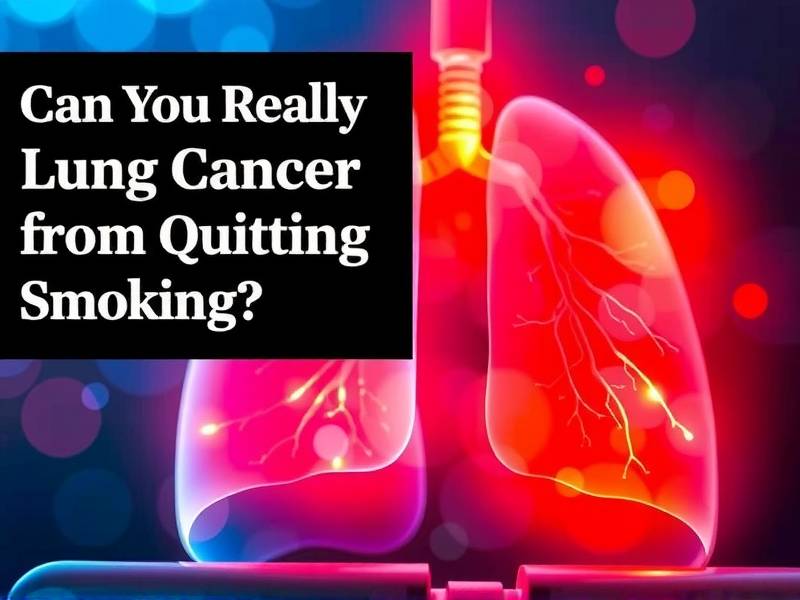
Section 1: Understanding the Myth Myth: Quitting smoking can cause lung cancer.
Reality: This myth is unfounded. Lung cancer is primarily caused by long-term exposure to tobacco smoke, not by quitting smoking. In fact, quitting smoking has numerous health benefits and can significantly reduce the risk of developing lung cancer.
Section 2: The Benefits of Quitting Smoking Subheading: Why should you quit smoking?
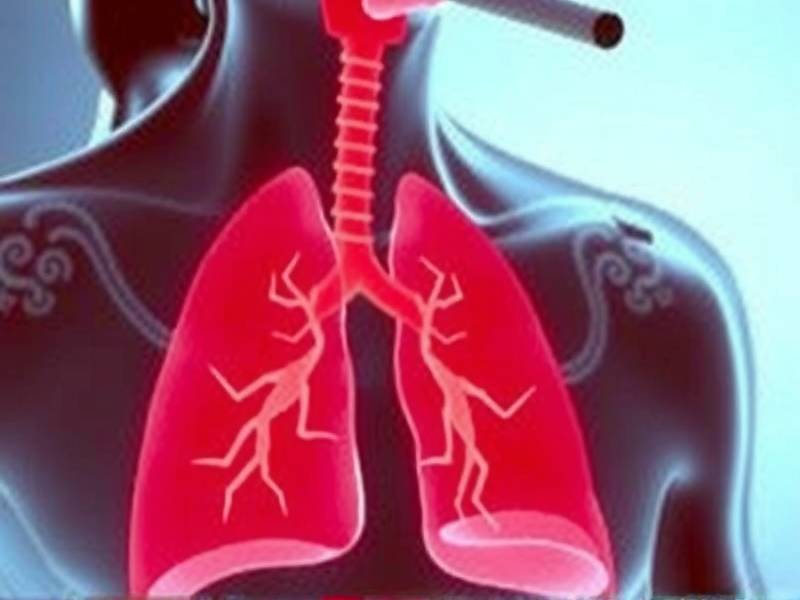
- Reduced Risk of Lung Cancer: Studies have shown that quitting smoking can significantly lower the risk of developing lung cancer. Within 10 years of quitting, the risk decreases by half compared to continuing smokers.
- Improved Respiratory Health: Quitting smoking can improve lung function and reduce symptoms of chronic obstructive pulmonary disease (COPD).
- Lower Risk of Other Diseases: Smoking cessation also reduces the risk of heart disease, stroke, and various types of cancer.
Section 3: The Process of Quitting Smoking Subheading: How to quit smoking effectively?
- Seek Support: Consult with healthcare professionals or join support groups to receive guidance and encouragement throughout your journey.
- Identify Triggers: Recognize situations that trigger your desire to smoke and develop strategies to cope with them.
- Gradual Reduction or Nicotine Replacement Therapy (NRT): Consider reducing your cigarette intake gradually or using NRT products like gum, patches, or lozenges to manage withdrawal symptoms.
- Stay Motivated: Set goals, track progress, and celebrate milestones along the way.
Section 4: Addressing Concerns About Withdrawal Symptoms Subheading: Will withdrawal symptoms lead to lung cancer?
Reality: Withdrawal symptoms are temporary and typically occur within a few days after quitting. They include cravings, irritability, anxiety, and sleep disturbances. While these symptoms can be challenging, they do not increase the risk of developing lung cancer.
Conclusion: In conclusion, it is essential to dispel the myth that quitting smoking can cause lung cancer. The reality is that quitting smoking has numerous health benefits and significantly reduces the risk of developing various diseases, including lung cancer. If you're considering quitting smoking, take advantage of available resources and support systems to make this life-changing decision easier. Remember that every step towards a smoke-free life brings you one step closer to improved health and well-being.