
Do Arteries Really Clear Up After Quitting Smoking?
Introduction: The Myth of Clogged Arteries
One of the most common misconceptions about smoking is that it causes arteries to become clogged, leading to heart disease and other health issues. Many smokers believe that if they quit, their arteries will "clear up" and their health will improve. But does this belief hold true? Let's delve into the science behind this myth and find out whether arteries really clear up after quitting smoking.
The Reality of Smoking-Induced Artery Damage
What Happens to Your Arteries When You Smoke?
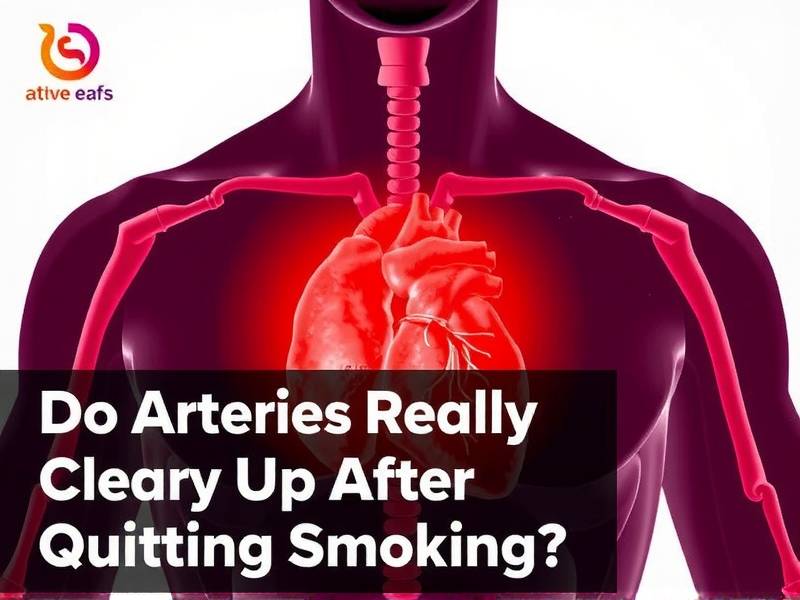
Smoking is a well-known risk factor for heart disease. When you smoke, the chemicals in tobacco enter your bloodstream and damage your arteries. This damage leads to a buildup of plaque, which narrows the arteries and reduces blood flow. Over time, this can lead to serious health problems like heart attacks and strokes.
Can Arteries Heal After Quitting Smoking?
The good news is that your body has an incredible ability to repair itself. When you quit smoking, your arteries can start to heal. The process may not be immediate, but over time, the damage caused by smoking can be reversed.
The Healing Process: A Timeline
Immediate Benefits
Within just 24 hours of quitting smoking, your heart rate and blood pressure begin to drop as your body starts to rid itself of nicotine. This immediate reduction in stress on the heart can lead to a decrease in shortness of breath and an improvement in circulation.
One Year Later
After one year without smoking, your risk of coronary heart disease is reduced by half compared to a smoker's risk. Your blood circulation improves further as your arteries begin to relax and dilate.

Five Years Post-Quitting
Within five years of quitting, your risk for stroke is reduced by 33%, according to the American Heart Association (AHA). Your blood vessels continue to regenerate, reducing plaque buildup and improving overall cardiovascular health.
Ten Years Post-Quitting
Ten years after quitting smoking, your risk for lung cancer is about half that of a smoker's risk. Your arteries have significantly improved in terms of elasticity and plaque reduction.
Tips for Quitting Smoking
If you're considering quitting smoking, here are some tips that may help:
- Set a Quit Date: Choose a specific day when you'll stop smoking.
- Seek Support: Talk with friends, family members, or join support groups.
- Use Nicotine Replacement Therapy: Options include gum, patches, lozenges, or inhalers.
- Consider Medication: Prescription medications like varenicline (Chantix) or bupropion (Zyban) can help reduce withdrawal symptoms.
- Stay Active: Regular exercise can help manage withdrawal symptoms and improve mood.
- Avoid Triggers: Identify situations or activities that make you want to smoke and find alternative ways to cope.
Conclusion: A New Lease on Life
In conclusion, while it's true that arteries do not "clear up" overnight after quitting smoking, there is significant evidence that quitting can lead to long-term improvements in cardiovascular health. It's never too late to quit; every day without smoking brings you one step closer to better health.
Remember that taking control of your health starts with small steps—like deciding today is the day you'll quit—and building from there. With determination and support from those around you, anyone can overcome the challenges of quitting smoking and start enjoying the benefits of a healthier life.