
How Can I Heal My Lungs After Quitting Smoking?
"Revitalizing Your Lungs: A Journey to Recovery After Quitting Smoking"
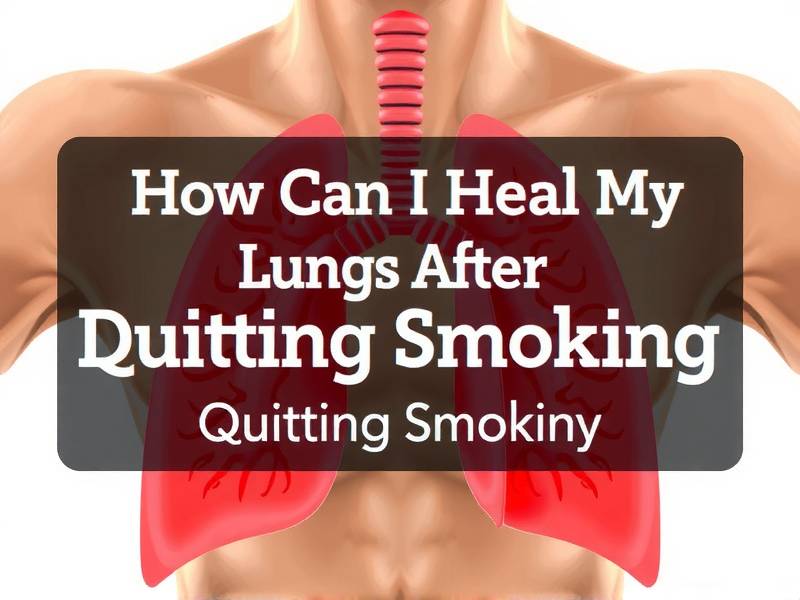
Introduction: Quitting smoking is a significant step towards improving your health, and one of the most rewarding aspects of this journey is the gradual healing of your lungs. As you bid farewell to the harmful toxins, your body begins a remarkable process of recovery. In this article, we will explore how you can accelerate the healing process and embrace a healthier life after quitting smoking.
Understanding Lung Damage Smoking damages your lungs in numerous ways, leading to reduced oxygen capacity, inflammation, and an increased risk of respiratory diseases. The good news is that once you quit, your lungs start to repair themselves. It's essential to understand the extent of lung damage to appreciate the importance of proper care and maintenance.
1. The First 48 Hours: Detoxification Begins After quitting smoking, your body quickly starts detoxifying itself. Within the first 48 hours, carbon monoxide levels in your blood drop significantly, allowing oxygen to flow more freely throughout your body. This is a critical phase where you should rest and give your body time to adjust.
2. Weeks 1-3: Improved Breathing Within a few weeks after quitting, you may notice improved lung function and easier breathing. Your airways begin to clear up as inflammation decreases. It's crucial during this period to engage in light physical activities like walking or yoga, which help improve lung capacity.
3. Months 1-9: Gradual Healing In the first few months post-quit, your lungs continue to heal at a gradual pace. This is when you'll experience significant improvements in overall health and energy levels. To support this healing process:
- Stay Hydrated: Drinking plenty of water helps flush out toxins from your body.
- Avoid Exposure: Minimize exposure to secondhand smoke or other irritants that can hinder recovery.
- Consider Pulmonary Rehabilitation: These programs offer personalized exercise routines and breathing techniques under medical supervision.
4. Years 1-5: Long-Term Benefits As time progresses beyond one year post-quit, the risk of developing chronic respiratory diseases like COPD decreases significantly. Your lungs continue to heal during these years; however, it's important not to revert back to smoking habits.
5. Beyond Five Years: A New Lease on Life After five years or more without smoking, your lungs have healed considerably compared to those who continue smoking. You'll enjoy reduced risks for heart disease and stroke along with improved overall health.
Conclusion: Healing your lungs after quitting smoking is a journey that requires patience and dedication. By following these steps and maintaining a healthy lifestyle, you can revitalize your lungs and embrace a healthier future free from tobacco-related diseases.
Remember that every puff counts; quitting smoking at any age can lead to significant health benefits for both short-term and long-term outcomes. Start today on this life-changing path towards better health!