
Can Quitting Smoking Really Weaken Your Immune System?
Can Quitting Smoking Really Weaken Your Immune System?
Introduction: Quitting smoking is a significant step towards a healthier life, but many smokers are concerned about the potential impact on their immune system. The question of whether quitting smoking can weaken your immune system is a common concern. In this article, we will explore the relationship between quitting smoking and immune system function, based on scientific research and expert opinions.
Section 1: Understanding the Immune System The immune system is a complex network of cells, tissues, and organs that work together to protect the body from pathogens such as bacteria, viruses, and parasites. It plays a crucial role in maintaining overall health and preventing infections.
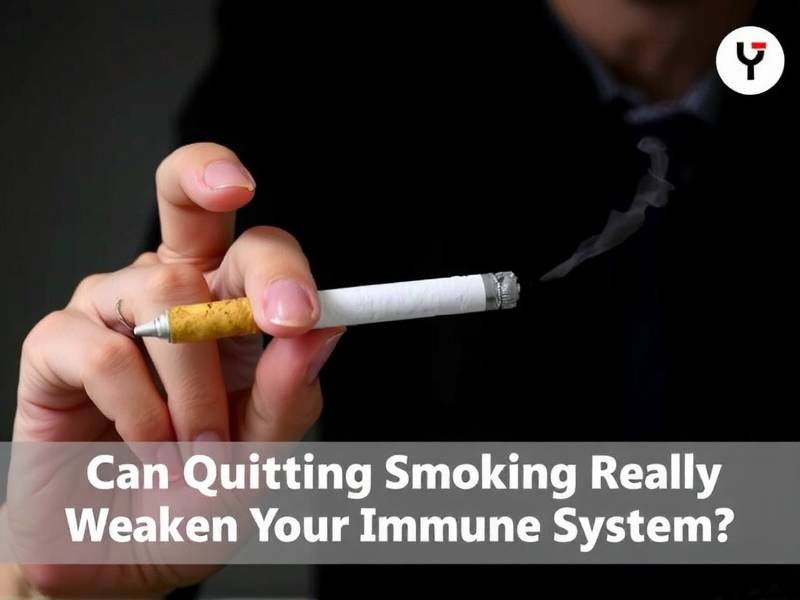
Section 2: The Impact of Smoking on the Immune System Smoking has been proven to have a detrimental effect on the immune system. The chemicals present in tobacco smoke can damage immune cells, reduce their ability to fight off infections, and impair the overall function of the immune system.
Section 3: Quitting Smoking and Immune System Function When you quit smoking, your immune system begins to recover. Research shows that within a few weeks of quitting, your risk of respiratory infections decreases significantly. Over time, as your body continues to heal from the damage caused by smoking, your immune system becomes stronger.
Section 4: Potential Challenges for Smokers Who Quit It's important to note that quitting smoking may come with some challenges for some individuals. Nicotine withdrawal can lead to symptoms such as irritability, anxiety, and sleep disturbances. However, these symptoms are temporary and can be managed with proper support and strategies.
Section 5: Tips for Strengthening Your Immune System After Quitting Smoking To enhance your immune system after quitting smoking:
- Maintain a balanced diet rich in fruits, vegetables, whole grains, lean proteins, and healthy fats.
- Stay hydrated by drinking plenty of water throughout the day.
- Engage in regular physical activity to boost your overall health.
- Get enough sleep to allow your body to recover from stress.
- Consider taking supplements like vitamin D and vitamin C under medical supervision.
Conclusion: Quitting smoking can indeed weaken your immune system temporarily due to nicotine withdrawal symptoms. However, as you continue to recover from the damage caused by smoking, your immune system will gradually strengthen over time. By adopting healthy lifestyle habits and seeking support when needed, you can enhance your chances of maintaining a robust immune response after quitting smoking.