Do Your Lungs Improve After Quitting Smoking?
Introduction: The Quest for Better Health
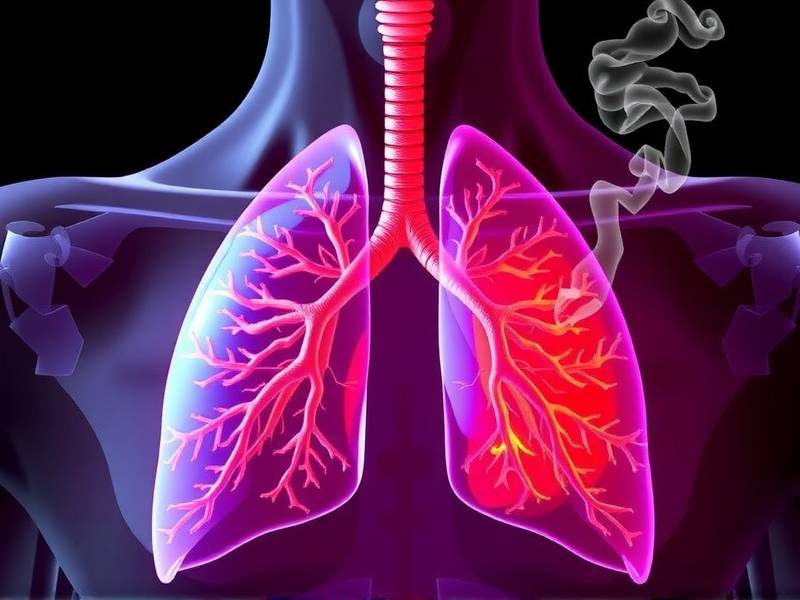
The decision to quit smoking is a monumental step towards better health. Many smokers are eager to know the immediate and long-term effects of their decision on their bodies, particularly their lungs. This article delves into the question: do your lungs improve after quitting smoking? We'll explore the changes that occur in the respiratory system and how they can lead to improved lung function.
Immediate Changes Post-Quitting
The First 48 Hours
As soon as you quit smoking, your body begins to undergo changes. Within the first 48 hours, your carbon monoxide levels drop significantly, allowing your blood to carry more oxygen. This can lead to an immediate increase in energy levels and a clearer sense of taste and smell.
The First Week
In the first week after quitting, your lungs start to clear out mucus and tar that have accumulated over years of smoking. You may notice an increase in coughing as these substances are expelled from your respiratory system.
Short-Term Improvements
One Month On
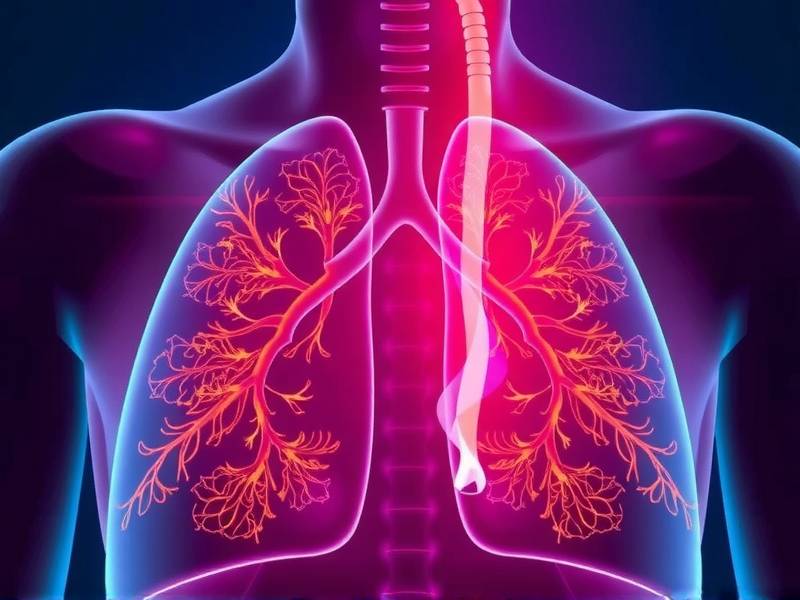
After about a month of not smoking, you'll likely experience significant improvements in lung function. Your breathing should feel easier, and you may find that you can walk longer distances without getting out of breath.
Three Months On
By three months post-quit, many former smokers report feeling more energetic and having a reduced risk of respiratory infections like bronchitis or pneumonia.
Long-Term Benefits
One Year On
One year after quitting, the risk of heart disease begins to decrease significantly. Your lungs continue to heal, and you may notice further improvements in lung capacity and overall respiratory health.
Five Years On
At five years post-quit, the risk of stroke is reduced by almost half compared to continuing smokers. Lung cancer death rates are also cut by half.
Ten Years On
After ten years without smoking, your risk of lung cancer is about half that of a continuing smoker's. Your lungs continue to improve with each passing year.
The Role of Genetics and Environmental Factors
It's important to note that while quitting smoking is a powerful tool for improving lung health, individual genetics and environmental factors can also play a role in how quickly and effectively your lungs recover.
Conclusion: A Pathway to Improved Health
Quitting smoking is not just about avoiding future health issues; it's about reversing the damage done by years of smoking. Your lungs have an incredible ability to heal themselves when given a chance. By quitting, you're taking an active role in improving your health and potentially adding years to your life.
Remember, every puff counts—quit today for healthier lungs tomorrow!