
When Will You Feel Better After Quitting Smoking?
Embracing the Journey: Understanding the Timeline to Feel Better After Quitting Smoking
Introduction: The decision to quit smoking is a monumental step towards a healthier life. However, it's natural to wonder about the timeline for feeling better after quitting. This article delves into the various aspects that influence how quickly one can expect to feel the benefits of quitting smoking, backed by scientific insights and real-life experiences.
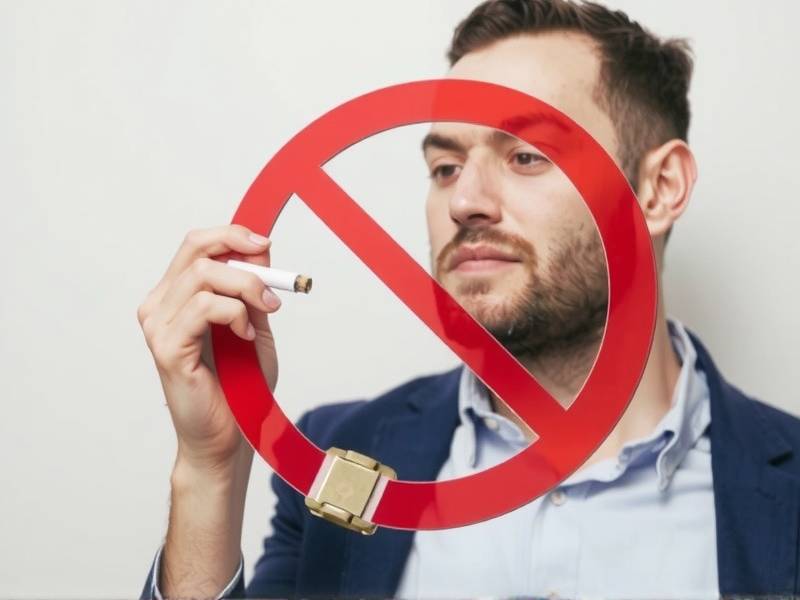
Understanding Nicotine Withdrawal
-
The First Week: A rollercoaster ride During the initial week after quitting, you may experience nicotine withdrawal symptoms like cravings, irritability, and mood swings. These symptoms are a sign that your body is adjusting to life without nicotine.
-
The First Month: A turning point After about a month, many people notice an improvement in their energy levels and mood. Cravings may start to diminish as your body begins to heal from the effects of smoking.
Long-Term Benefits and Improvements
-
The First Year: Clearer lungs and improved cardiovascular health Within a year of quitting, you can expect significant improvements in lung function and cardiovascular health. Your risk of heart disease starts to decline, and your blood pressure stabilizes.
-
Beyond One Year: Enhanced quality of life Continued abstinence beyond one year leads to even more profound benefits. Your risk of developing chronic obstructive pulmonary disease (COPD) decreases, and you'll likely notice an increase in your overall sense of well-being.
Factors Influencing Recovery Time
-
Individual Differences: Everyone's body reacts differently It's essential to understand that recovery times can vary from person to person due to genetic factors, metabolism, and overall health status.
-
Support Systems: The power of community Having a supportive network or joining a quit-smoking group can significantly impact your recovery journey. Sharing experiences with others who have faced similar challenges can provide both moral support and practical advice.
-
Habit Replacement: Finding new ways to cope Developing healthy coping mechanisms for stress or boredom is crucial when quitting smoking. Engaging in physical activities or hobbies can help distract from cravings and provide positive reinforcement for staying smoke-free.
Real-Life Testimonials
"I started feeling better within two weeks," says Sarah, who quit smoking three months ago. "The cravings eventually went away, and I noticed my energy levels improving."
Conclusion: The journey towards feeling better after quitting smoking is unique for each individual but typically involves several phases over time. By understanding these phases and taking advantage of available resources, you can navigate this transition with confidence and patience. Remember that every day without a cigarette brings you closer to a healthier life—embrace the journey!