
Can You Still Get Lung Cancer Years After Quitting Smoking?
Understanding the Long-Term Risks of Smoking Cessation: Can Lung Cancer Develop Post-Quitting?
Introduction: The decision to quit smoking is one of the most significant steps one can take for their health. While many are aware of the immediate benefits of quitting, there's often a lingering concern about long-term health risks. One common question that arises is: can you still get lung cancer years after quitting smoking? In this article, we delve into the topic, providing insights from medical research and expert opinions.
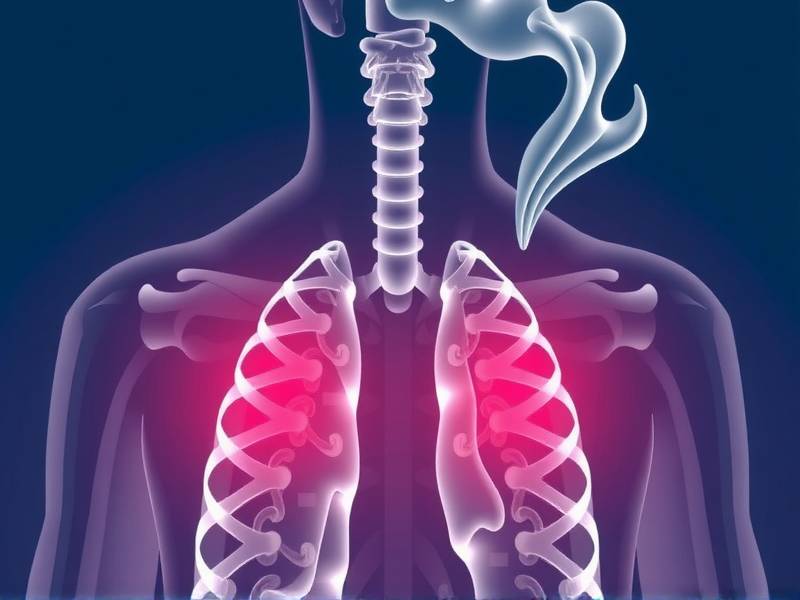
Understanding Lung Cancer and Smoking Lung cancer is a complex disease that involves the uncontrolled growth of abnormal cells in the lung tissue. The primary cause of lung cancer is smoking, accounting for approximately 85% of all cases. The longer one smokes and the more cigarettes smoked per day, the higher the risk for developing lung cancer.
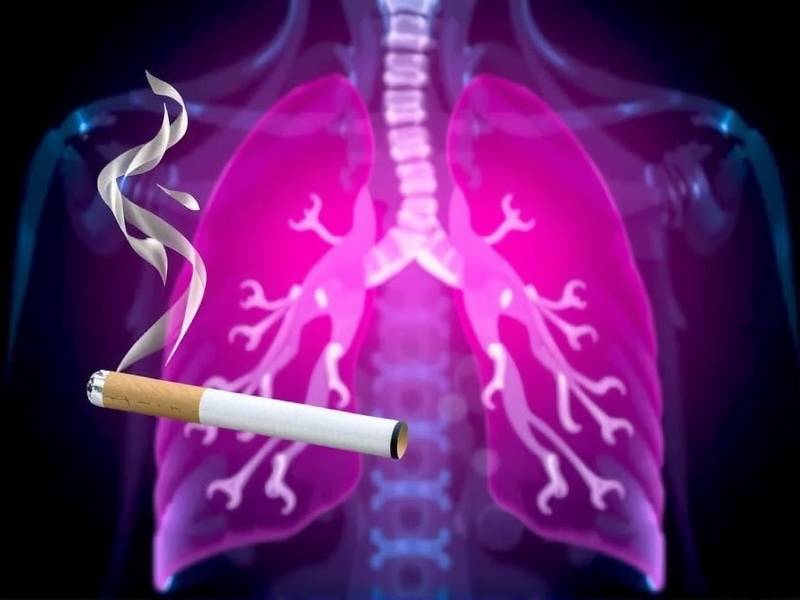
The Risk Continues After Quitting While it's true that quitting smoking significantly reduces your risk for lung cancer compared to continuing to smoke, it doesn't eliminate it entirely. According to the American Lung Association, even after 10 years of quitting, your risk for lung cancer is still about half that of a current smoker.
Why Does Lung Cancer Risk Persist Post-Quitting? Several factors contribute to why lung cancer risk persists even after quitting:
- Smoking History: The duration and amount of cigarettes smoked before quitting play a crucial role in determining future risks.
- Genetic Factors: Some individuals may have genetic predispositions that make them more susceptible to lung cancer.
- Environmental Exposure: Exposure to secondhand smoke or other environmental carcinogens can increase risk.
Long-Term Benefits of Quitting Smoking Despite these risks, quitting smoking offers numerous long-term health benefits:
- Reduced Risk for Other Types of Cancer: Quitting reduces your risk for other cancers like throat, mouth, esophagus, pancreas, bladder, kidney, and cervix.
- Improved Heart Health: Within just a few years after quitting, your heart disease risk decreases significantly.
- Better Respiratory Health: Your lungs start to repair themselves as soon as you quit.
Conclusion: While it's true that you can still get lung cancer years after quitting smoking, doing so carries a significantly lower risk compared to continuing to smoke. Quitting smoking is a crucial step toward reducing your overall health risks and improving your quality of life. If you're considering quitting or have recently quit, remember that every year without tobacco use is another step toward better health. For support and guidance on how to quit smoking successfully, consult with healthcare professionals and utilize resources available at reputable organizations such as Smokefree.gov or QuitNow.ca.