
Why You Should Quit Smoking Marijuana
Why You Should Quit Smoking Marijuana: A Comprehensive Guide
Introduction
In recent years, the conversation around marijuana has evolved significantly. While many view it as a recreational substance, others are increasingly concerned about its potential health risks. If you're considering quitting smoking marijuana, this article will delve into the reasons why it's a wise decision for your health and well-being.
Health Risks of Smoking Marijuana
Respiratory Issues
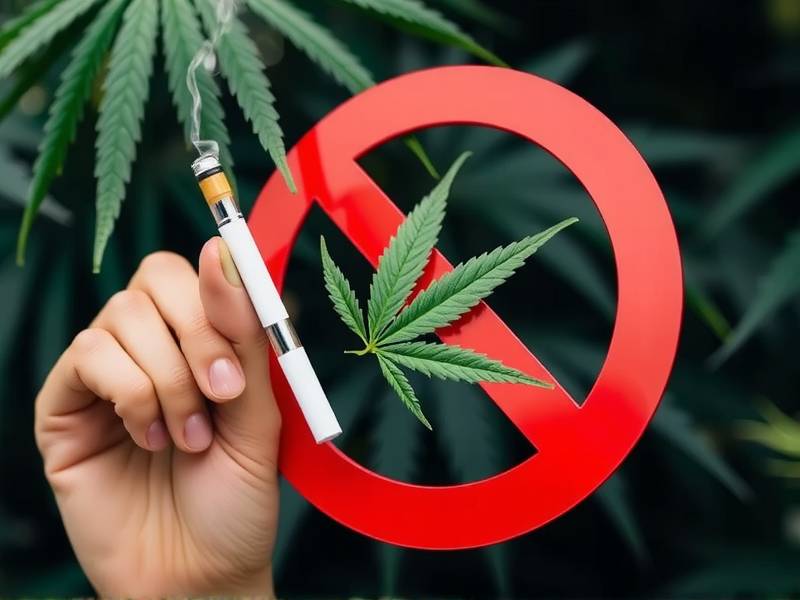
One of the primary concerns with smoking marijuana is the impact on your respiratory system. Like tobacco smoke, marijuana smoke can cause irritation and inflammation in your lungs. Over time, this can lead to chronic bronchitis and other respiratory issues.
Mental Health Effects
While some people may experience a sense of relaxation or euphoria after smoking marijuana, others may struggle with mental health issues. Long-term use has been linked to an increased risk of anxiety, depression, and paranoia.
Cognitive Impairment
Research suggests that regular use of marijuana can affect cognitive function, including memory, attention span, and problem-solving skills. This impairment can be particularly concerning for individuals who are still developing their cognitive abilities or those who rely on their mental sharpness for work or study.
Legal Considerations
The legality of marijuana varies by country and even by state or region within countries that have decriminalized its use. Quitting smoking marijuana can help you avoid legal repercussions that could impact your career or personal life.
Social Consequences
Smoking marijuana can also have social implications. For instance, it may affect your ability to drive safely or participate in certain activities due to impaired judgment or coordination. Additionally, it can create discomfort among friends or family members who don't share your views on the drug.
Alternative Methods of Consumption
If you're looking to quit smoking marijuana but still want to enjoy its potential benefits, consider alternative methods of consumption such as edibles, tinctures, or topicals. These methods allow you to experience the effects without inhaling harmful smoke.
Support Systems for Quitting Smoking Marijuana
Quitting any habit is challenging, but there are resources available to help you succeed:
- Therapy: Working with a therapist can provide support and strategies for overcoming cravings.
- Support Groups: Joining a support group where you can share experiences with others who are also quitting smoking marijuana.
- Prescription Medications: In some cases, prescription medications may be prescribed to help manage withdrawal symptoms and reduce cravings.
Conclusion
While the conversation around marijuana continues to evolve, it's important to consider the potential risks associated with smoking this substance. By quitting smoking marijuana and exploring healthier alternatives, you can improve your physical and mental health while avoiding legal and social consequences. Take control of your well-being today by making the decision to quit smoking marijuana!