
Why Is It Hard to Sleep After Quitting Smoking Weed? The Science Behind the Issue
Introduction: The Challenges of Quitting Weed and Its Impact on Sleep
The decision to quit smoking weed is a significant step towards a healthier lifestyle. However, many individuals who have made this choice often encounter unexpected challenges, one of which is difficulty sleeping. This article delves into the science behind why quitting weed can disrupt your sleep patterns and offers insights into how you can overcome this hurdle.
Understanding the Connection Between Weed and Sleep
1. Cannabis and its Effects on the Brain
Cannabis contains compounds like THC and CBD that affect the brain's receptors. While THC is known for its psychoactive properties, CBD offers potential therapeutic benefits without causing the same level of intoxication. These compounds can alter your sleep-wake cycle by affecting neurotransmitters in the brain.
2. The Immediate Effects of Smoking Weed
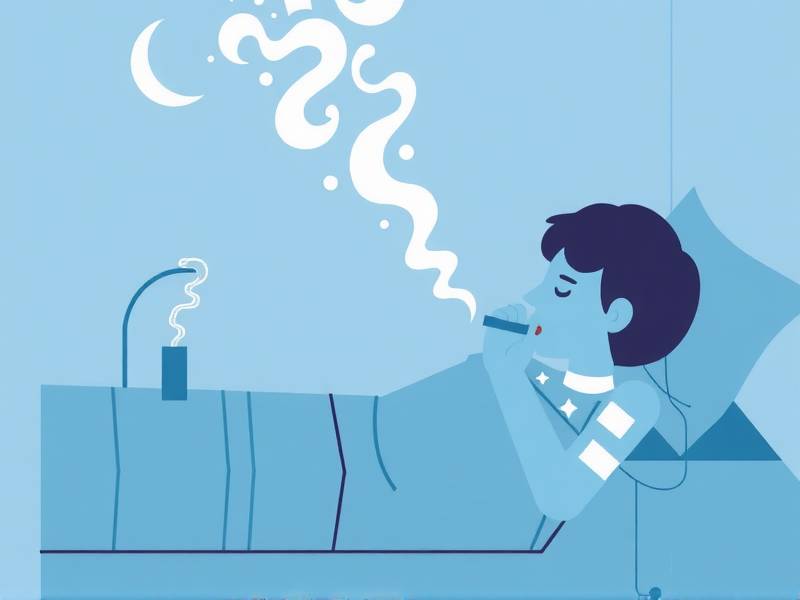
When you smoke weed, it can lead to feelings of relaxation and drowsiness, often referred to as "couch lock." However, these effects are short-lived, and once they wear off, some individuals may experience insomnia or disrupted sleep patterns.
The Science Behind Post-Weed Sleep Disruption
1. Disruption of REM Sleep
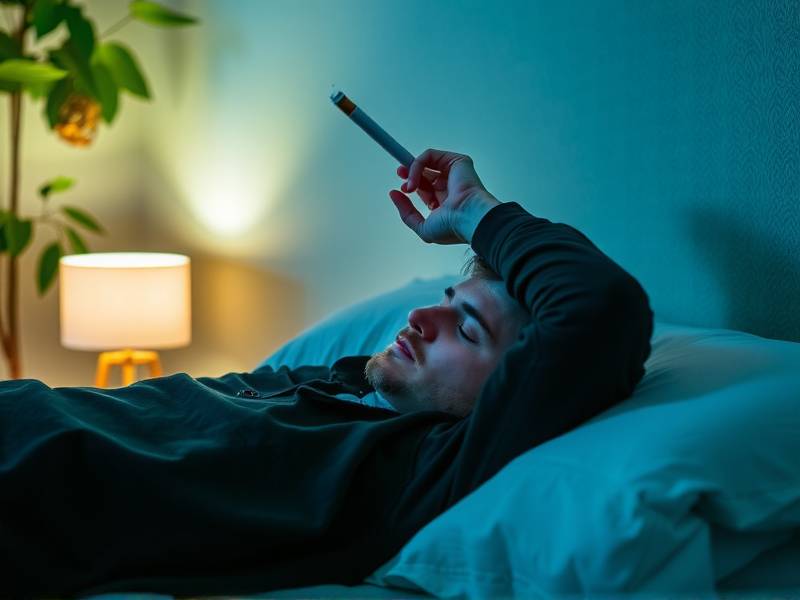
REM (Rapid Eye Movement) sleep is crucial for cognitive function and memory consolidation. Smoking weed can interfere with REM sleep, leading to difficulties in falling asleep or staying asleep throughout the night.
2. Withdrawal Symptoms
Withdrawal from cannabis can cause symptoms such as irritability, anxiety, and insomnia. These symptoms may persist even after you've stopped using the substance.
Strategies for Improving Sleep After Quitting Weed
1. Establish a Consistent Sleep Schedule
Maintaining a regular sleep schedule can help regulate your body's internal clock and improve your chances of falling asleep more easily.
2. Create a Relaxing Bedtime Routine
Engaging in calming activities before bed, such as reading or taking a warm bath, can help signal your body that it's time to wind down.
3. Avoid Stimulants Before Bedtime
Stay away from caffeine and other stimulants several hours before bedtime as they can interfere with your ability to fall asleep.
Conclusion: Navigating the Transition to Better Sleep Without Weed
Quitting smoking weed can indeed be challenging when it comes to maintaining healthy sleep patterns. By understanding the science behind these issues and implementing effective strategies for better sleep hygiene, you'll be well on your way to overcoming this obstacle on your journey towards a healthier lifestyle. Remember that persistence is key – it may take time for your body to adjust to life without weed, but with patience and dedication, you'll find that better rest becomes an attainable goal.