
How Long Does It Take to Achieve Clean Lungs After Quitting Smoking?
Unveiling the Timeline: How Long to Achieve Clean Lungs After Quitting Smoking
Introduction: Quitting smoking is a significant decision that many individuals make to improve their health. However, one of the most common questions that arise after quitting is: "How long does it take to achieve clean lungs?" This article aims to shed light on this topic and provide you with valuable insights.
Section 1: Understanding Lung Function and Smoking
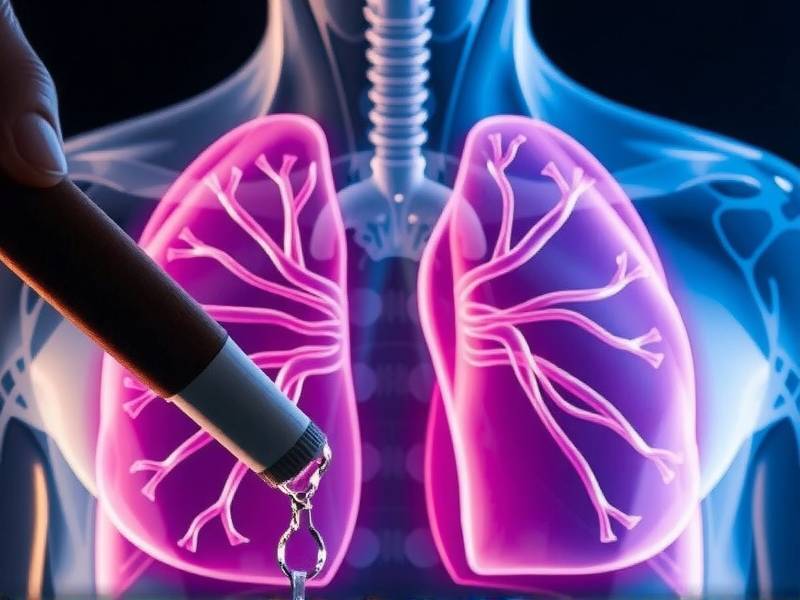
To comprehend the timeline for achieving clean lungs after quitting smoking, it's crucial to understand how smoking affects lung function. When you smoke, harmful chemicals enter your lungs, leading to inflammation and damage over time. This damage can cause various respiratory issues, including chronic obstructive pulmonary disease (COPD) and lung cancer.
Section 2: The First Steps Towards Clean Lungs
The journey towards clean lungs begins immediately after you quit smoking. Within just 20 minutes of quitting, your heart rate and blood pressure start to normalize. Additionally, within 48 hours, the carbon monoxide levels in your blood decrease significantly, allowing your body to better carry oxygen.
Section 3: The Initial Recovery Phase
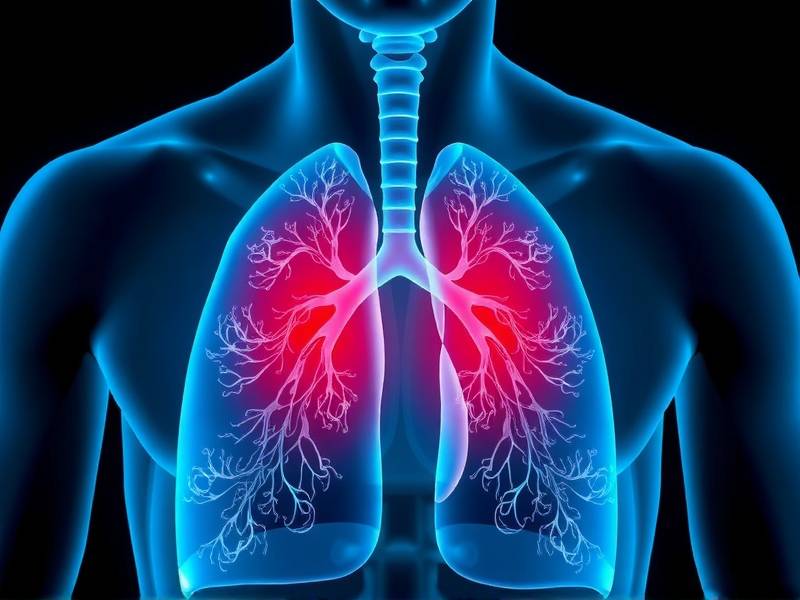
Within the first few weeks after quitting smoking, you'll notice a significant improvement in your lung function. The inflammation and mucus production in your lungs begin to decrease, leading to an increase in lung capacity. This phase typically lasts for about three months.
Section 4: The Intermediate Recovery Phase
After approximately three months of quitting smoking, you'll continue to experience improvements in lung function. Your immune system becomes stronger, reducing the risk of respiratory infections such as bronchitis and pneumonia. During this phase, which spans from three months to one year after quitting, your lungs will continue to heal.
Section 5: The Long-Term Recovery Phase
After one year of being smoke-free, your lungs will have made substantial progress towards becoming cleaner. The risk of developing chronic respiratory diseases like COPD decreases significantly during this period. It's important to note that while the lungs may never fully recover from the damage caused by smoking, they can still continue improving with each passing year.
Conclusion:
Achieving clean lungs after quitting smoking is a gradual process that requires patience and commitment. While it may take several months or even years for your lungs to fully recover from the damage caused by smoking, the benefits of quitting are undeniable. By understanding the timeline for lung recovery and maintaining a smoke-free lifestyle, you can significantly improve your overall health and well-being.