
Can You Heal Your Lungs After You Quit Smoking?
Can You Heal Your Lungs After You Quit Smoking? A Journey to Restoration
Introduction: The decision to quit smoking is a significant step towards better health. For many smokers, the thought of healing damaged lungs is a powerful motivator. But can it really be done? In this article, we explore the potential for lung healing after quitting smoking and provide insights into the journey towards better respiratory health.
Understanding Lung Damage from Smoking
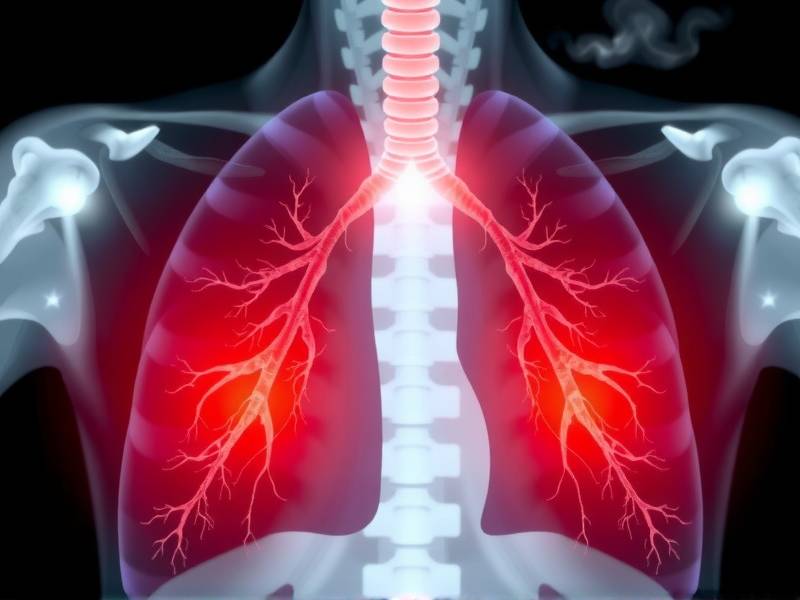
1. The Smoking Cycle: Smoking introduces harmful chemicals into the lungs, leading to inflammation and damage over time. These chemicals can cause chronic bronchitis, emphysema, and even lung cancer.
2. The Healing Process: When you quit smoking, your body begins a remarkable process of repair. The damage caused by smoking starts to reverse as your lungs clear out tar and other harmful substances.
The First 48 Hours: Within just 48 hours of quitting, your body starts to eliminate nicotine and carbon monoxide from your system. Your blood pressure and pulse rate return to normal levels.
Weeks 1-3: After a few weeks, you'll notice an improvement in your breathing as your lungs start to clear out mucus and debris. This can lead to increased energy levels and better overall physical performance.
Months 6-12: In the first year after quitting, you'll experience significant improvements in lung function. Your risk of heart disease decreases, and your immune system strengthens.
Long-term Healing: Over time, the risk of developing lung cancer decreases as well. While some damage may be permanent, quitting smoking significantly reduces the risk of further complications and promotes long-term lung health.
Tips for Lung Healing
1. Maintain a Healthy Lifestyle: Eating a balanced diet rich in fruits and vegetables can support lung healing. Regular exercise also improves circulation and strengthens the respiratory muscles.
2. Avoid Secondhand Smoke: Exposure to secondhand smoke can counteract the benefits of quitting smoking. Stay away from smoky environments to protect your lungs.
3. Consider Pulmonary Rehabilitation: Pulmonary rehabilitation programs can help you manage symptoms, improve lung function, and enhance overall quality of life after quitting smoking.
Conclusion: Quitting smoking is a transformative decision that opens doors to healing for both your body and mind. While it's important to understand that full recovery may not be possible for all smokers due to extensive damage, giving up tobacco can significantly improve lung health over time. Embrace this journey towards restoration with patience and determination; it's a step towards a healthier future for yourself and those around you.