
How Long Does It Take to Repair Your Lungs After Quitting Smoking?
Understanding the Impact of Smoking on the Lungs
Smoking is a habit that has far-reaching consequences for the body, with the lungs often bearing the brunt of its effects. When you decide to quit smoking, you're not just making a lifestyle change; you're also taking a significant step towards repairing and improving your respiratory health.
Immediate Benefits of Quitting
The moment you quit smoking, your body begins to heal. The carbon monoxide levels in your blood start to drop, allowing oxygen to flow more freely. This can be felt almost immediately, with many ex-smokers reporting a sense of clarity and improved breathing within hours.
The Journey to Lung Repair
Short-Term Recovery (First Month)
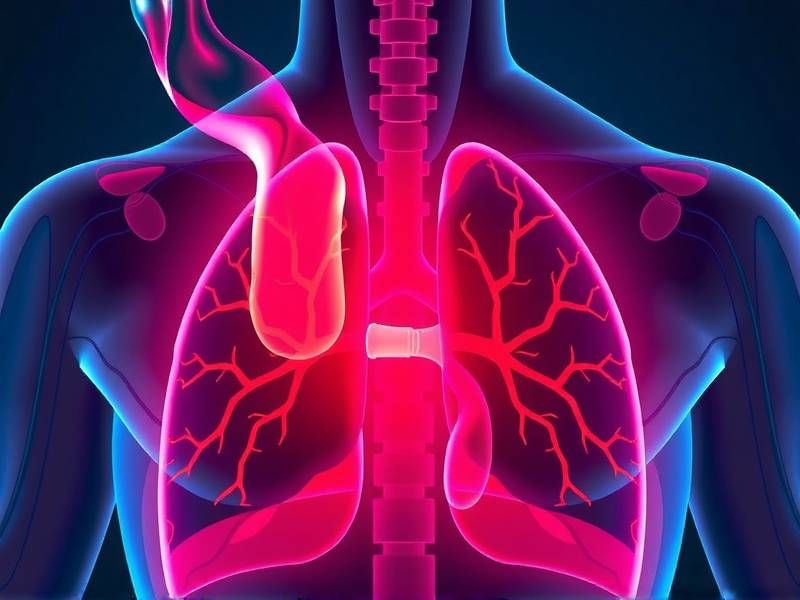
Within the first month after quitting, your lung function begins to improve. The cilia in your lungs, which help clear mucus and debris, start to regain their effectiveness. This means you may notice a decrease in coughing and phlegm production.
Medium-Term Recovery (6 Months – 1 Year)
After about six months, your lung capacity will have increased significantly compared to when you were smoking. The risk of heart disease starts to decline as well. Your immune system also strengthens, making it easier for you to fight off infections.
Long-Term Recovery (1 Year and Beyond)
Over the course of a year or more, the benefits continue to grow. The risk of stroke decreases, and your lung function can approach that of someone who has never smoked. Chronic bronchitis symptoms may improve or disappear entirely.
Factors Affecting Lung Repair
It's important to note that the time it takes for your lungs to repair themselves after quitting smoking can vary from person to person. Factors such as age, overall health, duration of smoking, and amount smoked per day can all influence recovery times.
Embracing a Smoke-Free Lifestyle
While the journey is unique for everyone, one thing is certain: quitting smoking is a powerful decision that sets the stage for better health. To support this process:
- Stay hydrated.
- Engage in regular physical activity.
- Avoid secondhand smoke.
- Consider nicotine replacement therapy or other cessation aids if needed.
Conclusion
The road to lung repair after quitting smoking is one filled with progress and hope. By understanding the stages of recovery and adopting healthy habits, you can significantly reduce the damage caused by years of smoking and look forward to a healthier future.
Remember, it's never too late to quit smoking and start healing your lungs. Every day without a cigarette brings you closer to breathing easier and living healthier.