
Can Nicotine Permanently Damage Your Brain After You Quit Smoking? The Truth You Need to Know
Understanding the Link Between Nicotine and Brain Health
The debate over whether nicotine can permanently damage your brain after quitting smoking is a hot topic among health enthusiasts and researchers alike. As a leading cause of preventable deaths worldwide, smoking affects not just the lungs but also the brain. In this article, we delve into the science behind nicotine's impact on the brain and what happens after you quit smoking.
The Science of Nicotine's Effects on the Brain
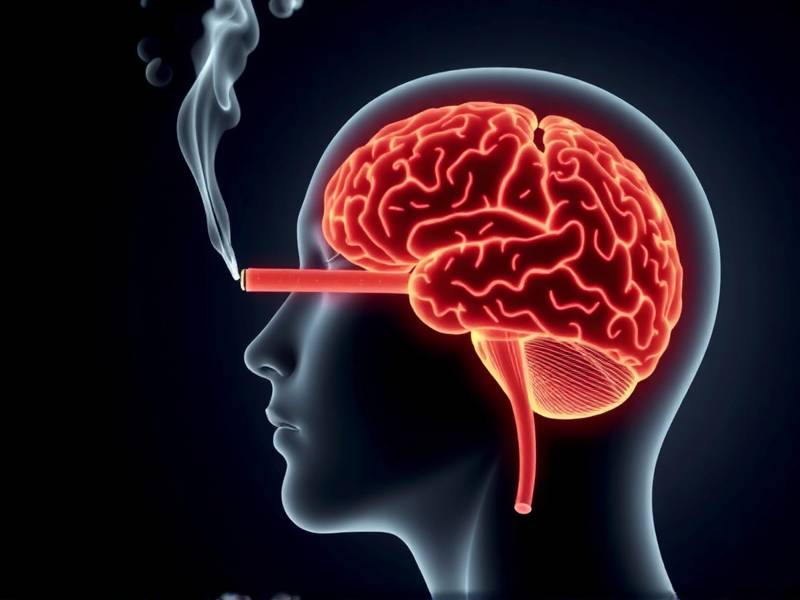
Nicotine, a highly addictive substance found in tobacco, binds to nicotine receptors in the brain. This binding triggers a release of dopamine, a neurotransmitter associated with pleasure and reward. Over time, this repetitive process can lead to changes in brain chemistry and structure.
Dopamine Levels and Reward System
Increased dopamine levels create a sense of pleasure and reinforcement for smoking. However, prolonged exposure to nicotine can lead to desensitization of these receptors, requiring more nicotine to achieve the same effect. This is why many smokers find it difficult to quit.
Neuroplasticity and Brain Changes
Neuroplasticity refers to the brain's ability to change and adapt throughout life. Chronic exposure to nicotine can disrupt this process, potentially leading to long-term changes in brain structure and function.
Long-Term Effects After Quitting Smoking
While the exact timeline for recovery varies from person to person, research suggests that quitting smoking can lead to significant improvements in brain health over time.
Improved Cognitive Function
Numerous studies have shown that cognitive function improves after quitting smoking. Memory, attention, and processing speed may all see improvements as your body begins to heal from nicotine's effects.
Reduced Risk of Neurodegenerative Diseases
Quitting smoking reduces your risk of developing neurodegenerative diseases such as Alzheimer's disease and Parkinson's disease. These conditions are often linked with chronic exposure to toxins like nicotine.
The Importance of Seeking Professional Help
If you're considering quitting smoking, seeking professional help is crucial. Counselors, therapists, and support groups can provide guidance on managing withdrawal symptoms and developing strategies for long-term success.
Conclusion: The Benefits of Quitting Smoking for Your Brain Health
While it's true that nicotine can cause changes in the brain over time, quitting smoking offers numerous benefits for your overall health—especially your brain health. By taking steps towards quitting smoking today, you're taking an important step towards improving your quality of life for years to come.