
Why Does My Head Hurt When I Quit Smoking? The Science Behind the Symptoms
Understanding the Headache: The Science Behind Quitting Smoking
Introduction: Quitting smoking is a significant step towards improving one's health, but it can come with its own set of challenges. One common issue many smokers face is experiencing headaches when they quit. This article delves into the science behind this symptom and provides insights into why headaches occur when you stop smoking.
What Causes Headaches When Quitting Smoking?
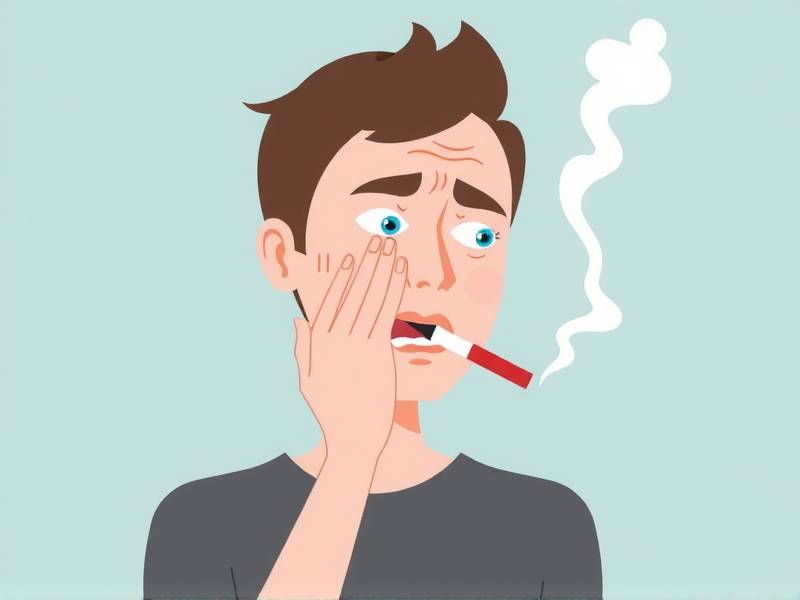
-
Nicotine Withdrawal: Nicotine, a highly addictive substance found in tobacco, affects the brain's neurotransmitters. When you quit smoking, your body goes through nicotine withdrawal, leading to various symptoms, including headaches.
-
Fluctuating Hormones: Smoking can disrupt hormonal balance in the body. Quitting smoking may cause fluctuations in hormone levels, which can contribute to headaches.
-
Increased Blood Pressure and Heart Rate: Smoking causes an increase in blood pressure and heart rate. When you quit smoking, these levels return to normal, which can sometimes trigger headaches.
The Science Behind the Symptoms
-
Neurotransmitter Imbalance: Nicotine acts as a stimulant by binding to nicotine receptors in the brain. When you stop smoking, these receptors become overactive due to reduced stimulation from nicotine, leading to increased sensitivity and potential headaches.
-
Inflammation: Smoking causes inflammation in the body, including the brain. Quitting smoking may reduce inflammation, but this process can also trigger headaches as your body adjusts to lower levels of inflammation.
-
Sleep Disruption: Smokers often have disrupted sleep patterns due to nicotine's effects on sleep quality. Quitting smoking can lead to improved sleep quality but may also result in sudden changes that cause headaches.
How to Manage Headaches While Quitting Smoking
-
Stay Hydrated: Drinking plenty of water helps flush out toxins from your body and keeps your brain hydrated, reducing headache severity.
-
Get Adequate Sleep: Ensure you get enough restful sleep each night to help alleviate stress and reduce headache frequency.
-
Exercise Regularly: Physical activity increases blood flow and reduces stress levels, both of which can help alleviate headaches associated with quitting smoking.
-
Seek Professional Help: If headaches persist or worsen while quitting smoking, consult a healthcare professional for guidance on managing symptoms effectively.
Conclusion:
Headaches are a common symptom experienced by individuals who quit smoking due to nicotine withdrawal and other physiological changes in the body. Understanding the science behind these symptoms can help smokers anticipate challenges during their journey towards a smoke-free life and find effective ways to manage them along the way. Remember that persistence is key—over time, your body will adjust to life without tobacco, and symptoms like headaches will gradually diminish.