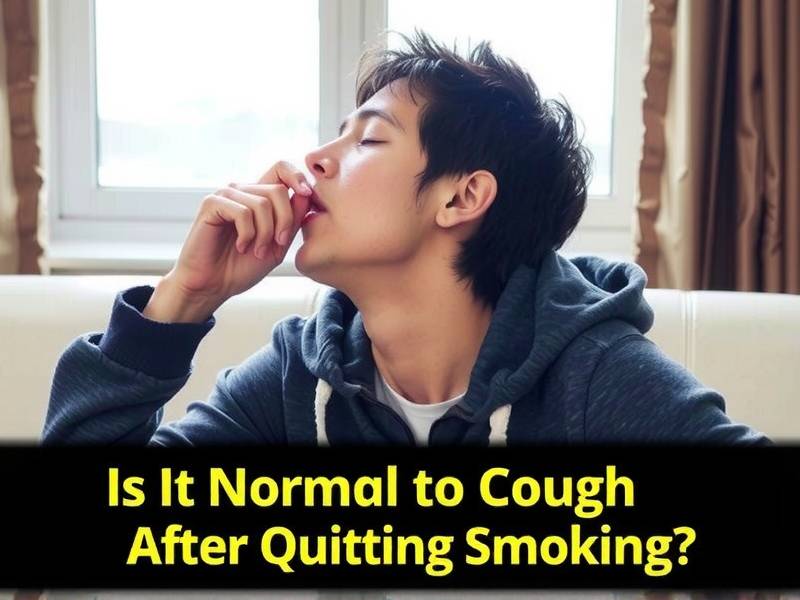
Is It Normal to Cough After Quitting Smoking?
Understanding the Coughing Post-Quitting Smoking: Is It Normal?
Introduction: Quitting smoking is a significant step towards improving one's health, but it's not uncommon to experience unexpected symptoms after making this lifestyle change. One such symptom is coughing. In this article, we will explore whether it's normal to cough after quitting smoking and what factors might be contributing to this phenomenon.
What Causes Coughing After Quitting Smoking?

-
Cleansing of the Lungs: When you quit smoking, your body starts to heal itself from the damage caused by tobacco smoke. One of the initial responses is the cleansing of your lungs, which can lead to coughing. This process helps to remove mucus and other debris that have accumulated in your respiratory system over time.
-
Increased Sensitivity: As your lungs begin to heal, they may become more sensitive to irritants like dust or allergens that were previously masked by the effects of smoking. This heightened sensitivity can trigger coughing as your body tries to clear these irritants from the airways.
-
Nicotine Withdrawal: While nicotine withdrawal symptoms are well-known, less discussed is how it can affect your respiratory system. Nicotine can cause constriction of blood vessels in the lungs, leading to reduced oxygen flow and increased mucus production. As you stop smoking, these effects may diminish, but in the meantime, you might experience a cough as your body adjusts.
Is It Normal?
Yes, it is normal to cough after quitting smoking for several reasons mentioned above. The duration and intensity of this symptom can vary from person to person, but generally, it should improve over time as your lungs continue to heal.
When Should You Seek Medical Attention?
While coughing post-quitting smoking is common and usually resolves on its own, there are certain situations where medical attention might be necessary:
- If the cough persists for more than a few weeks.
- If it's accompanied by other concerning symptoms like fever or difficulty breathing.
- If you have a history of respiratory conditions like asthma or chronic bronchitis.
Support and Resources for Smokers Trying to Quit
Quitting smoking can be challenging, but there are numerous resources available to help you along the way:
- Nicotine Replacement Therapy (NRT): Products like patches, gum, lozenges, or inhalers can help alleviate withdrawal symptoms.
- Prescription Medications: Certain prescription drugs are available that can aid in quitting smoking.
- Therapy and Support Groups: Talking with a therapist or joining a support group can provide emotional support and practical advice.
Conclusion:
Coughing after quitting smoking is a common side effect that typically resolves as your body heals from years of tobacco exposure. While it may be uncomfortable at times, remember that this symptom is a sign of improvement rather than deterioration in your health. Stay committed to your quit journey and seek support when needed. With patience and determination, you'll soon breathe easier without the hassle of persistent coughs!