
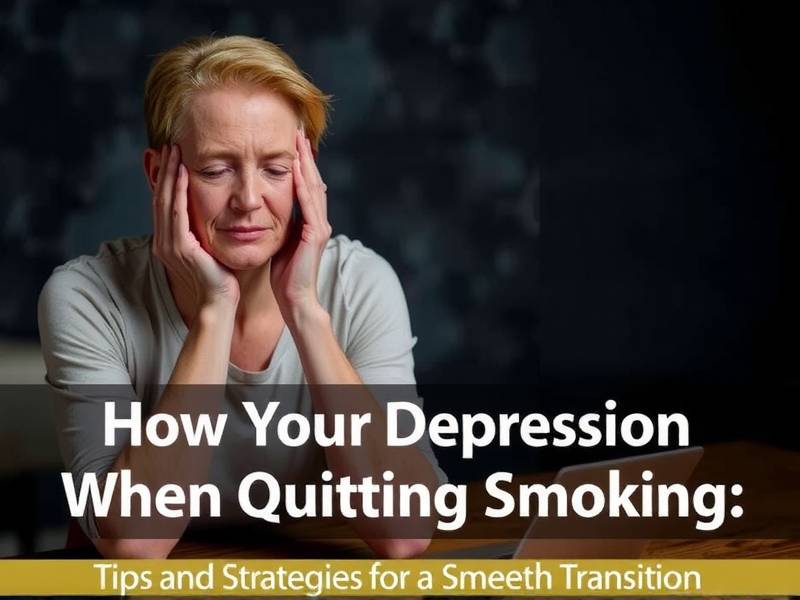
How to Avoid Depression When Quitting Smoking: Tips and Strategies for a Smooth Transition
Understanding the Link Between Smoking and Depression
Quitting smoking is a significant step towards improving one's health, but it can also be a challenging journey. Many smokers experience depression as they go through withdrawal symptoms. This article explores the connection between smoking and depression, and provides practical tips and strategies to navigate this transition smoothly.
The Psychological Impact of Smoking
Smoking is not just a physical addiction; it also has profound psychological effects. Nicotine, the main addictive substance in cigarettes, affects the brain's reward system, leading to feelings of relaxation and pleasure. When you quit, this system can become unbalanced, leading to mood swings and potential depression.
Recognizing the Symptoms of Depression
It's important to recognize the symptoms of depression during your quitting journey. These may include:
- Persistent feelings of sadness or hopelessness
- Loss of interest in activities you once enjoyed
- Changes in appetite or weight
- Insomnia or oversleeping
- Fatigue or loss of energy
- Feelings of worthlessness or guilt
- Difficulty concentrating or making decisions
- Recurrent thoughts of death or suicide
Strategies for Managing Depression While Quitting Smoking
1. Seek Professional Help
If you're struggling with depression while quitting smoking, seeking professional help is crucial. A therapist can provide tailored strategies to cope with withdrawal symptoms and address underlying issues contributing to your depression.
2. Create a Support System
Surround yourself with supportive friends, family members, or support groups dedicated to helping smokers quit. Sharing your experiences and challenges can provide emotional relief and practical advice.
3. Develop Healthy Coping Mechanisms
Find healthy ways to cope with stress and anxiety that don't involve smoking. This could include exercise, meditation, yoga, journaling, or engaging in hobbies that you enjoy.
4. Stay Active
Regular physical activity can improve your mood by releasing endorphins—your body's natural feel-good chemicals. Aim for at least 30 minutes of moderate exercise most days of the week.
5. Maintain a Healthy Diet
Eating a balanced diet rich in fruits, vegetables, whole grains, lean proteins, and healthy fats can boost your mood and energy levels.

6. Use Nicotine Replacement Therapy (NRT)
NRT products like gum, patches, lozenges, inhalers, or nasal sprays can help reduce withdrawal symptoms by delivering nicotine without the harmful effects of smoking.
7. Consider Alternative Therapies
Some people find relief from withdrawal symptoms through alternative therapies such as acupuncture or hypnotherapy.
Embrace Mindfulness Techniques
Mindfulness practices such as mindfulness meditation can help you stay grounded during this challenging time by teaching you to focus on the present moment rather than ruminating on past behaviors or future anxieties.
Conclusion
Quitting smoking is an important step towards a healthier life; however, it's not uncommon to face emotional challenges along the way. By understanding the link between smoking and depression and implementing these strategies for managing stress and staying motivated, you can navigate this transition more effectively. Remember that it's never too late to start anew—a smoke-free life is within reach!