
How Long Does It Take for Your Lungs to Heal After Quitting Smoking?
The Journey to Lung Recovery: How Long After Quitting Smoking?
Introduction: The decision to quit smoking is a significant step towards better health. Many individuals are curious about the timeline for lung healing post-cessation. In this article, we'll explore the stages of lung recovery and provide insights into how long it takes for your lungs to heal after quitting smoking.
Understanding Lung Damage Smoking is a leading cause of lung damage, including chronic obstructive pulmonary disease (COPD), emphysema, and lung cancer. The harmful chemicals in tobacco smoke can irritate and inflame the airways, leading to reduced lung function over time.
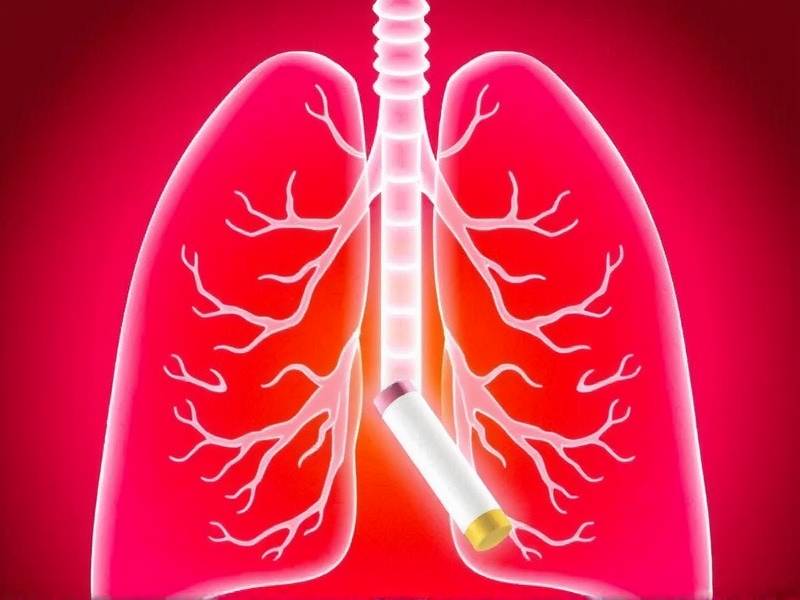
The First 48 Hours Within the first 48 hours after quitting smoking, your body begins to repair itself. Carbon monoxide levels drop rapidly, and oxygen levels in your blood begin to rise. This initial phase marks the beginning of a gradual improvement in lung function.
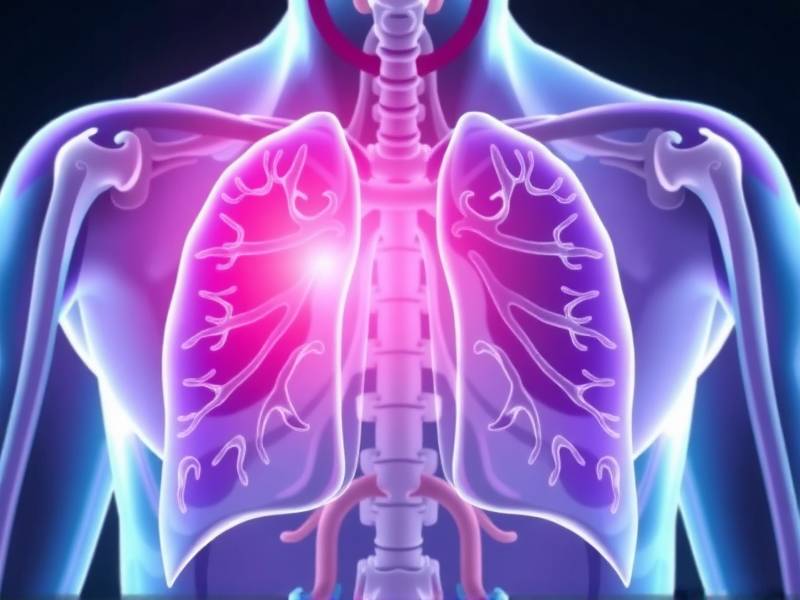
Weeks 1-3: Clearing Out During the first few weeks after quitting, your body starts to clear out mucus that has accumulated due to smoking. This can lead to an increase in coughing as your respiratory system clears out toxins. However, this phase is essential for lung healing.
Weeks 4-9: Improved Breathing After about four weeks, you may notice an improvement in your breathing capacity. Your lungs will continue to clear out mucus and other debris, leading to a decrease in coughing and shortness of breath.
Months 1-2: Enhanced Lung Function By the end of the first two months post-cessation, you may experience further improvements in lung function. Your immune system will also strengthen, reducing the risk of respiratory infections.
Months 3-9: Continued Improvement During this period, you'll continue to see improvements in lung capacity and overall health. Your lungs will become more efficient at exchanging oxygen and carbon dioxide.
Years 1-5: Long-Term Benefits After one year of not smoking, your risk of heart disease decreases significantly. By five years post-cessation, your risk of stroke drops by half compared to that of continuing smokers.
Conclusion: Patience is Key The journey towards complete lung recovery after quitting smoking takes time—typically several months or even years. While it's essential to be patient during this process, it's important to remember that every day without smoking is a step towards better health.
Remember that while these timelines provide a general guideline for lung recovery after quitting smoking, individual experiences may vary. It's always best to consult with healthcare professionals for personalized advice and support on your journey towards a smoke-free life.
For more information on quitting smoking and its benefits on overall health, visit reputable sources such as [Reputable Health Organization Website].