
Does Quitting Smoking Really Make Your Teeth Whiter?
Introduction
When it comes to the health benefits of quitting smoking, there are countless advantages that often come to mind. From reducing the risk of heart disease and cancer to improving overall lung function, the benefits are well-documented. However, one lesser-known benefit is the potential for whiter teeth. In this article, we'll explore whether quitting smoking can truly lead to a brighter smile.
The Smoking-Teeth Connection
Smoking is notorious for its adverse effects on oral health. Tar and nicotine in cigarettes can cause tooth discoloration, as well as increase the risk of gum disease and tooth decay. The chemicals in cigarettes can also weaken tooth enamel, making it more susceptible to stains and damage.
The Process of Tooth Discoloration
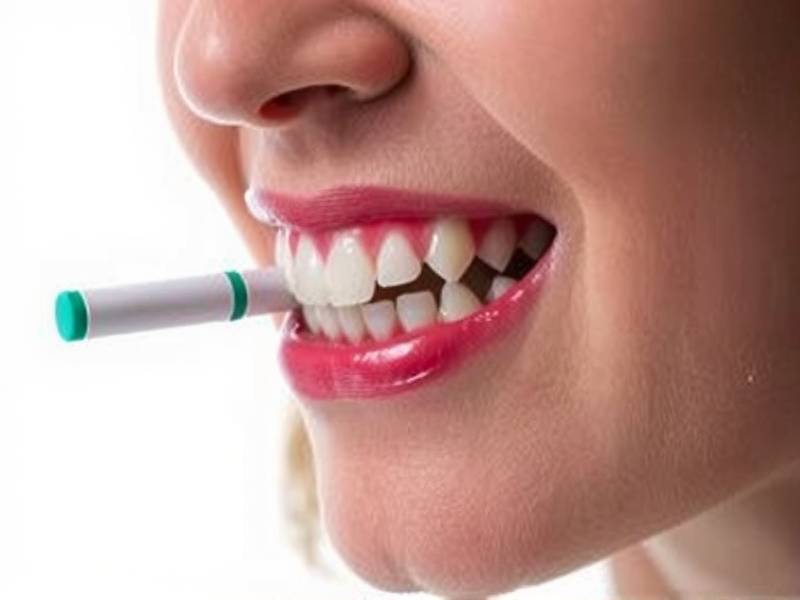
To understand how quitting smoking can impact tooth color, it's important to first understand how teeth become stained in the first place. Tooth discoloration occurs when pigments from tobacco products penetrate the enamel and dentin layers of your teeth.
The Role of Quitting Smoking
Quitting smoking can have a significant impact on tooth discoloration for several reasons:
1. Reduced Exposure to Staining Agents
By eliminating cigarette smoke from your life, you reduce your exposure to tar and nicotine, which are primary contributors to tooth stains.
2. Improved Saliva Flow
Smoking reduces saliva flow, which can lead to dry mouth—a condition that promotes tooth decay and contributes to yellowing teeth. Quitting smoking allows for better saliva flow, which helps clean away food particles and bacteria that cause stains.
3. Increased Enzyme Activity
Quitting smoking increases the activity of saliva enzymes responsible for breaking down plaque bacteria—a key factor in preventing tooth stains.
Timeframe for Results
It's important to note that the whitening process may not happen overnight. The time it takes for your teeth to appear whiter after quitting smoking can vary from person to person but typically ranges from a few weeks to several months.
Additional Tips for Whitening Your Smile
While quitting smoking is an excellent first step towards a brighter smile, there are other measures you can take:
1. Regular Brushing with Whitening Toothpaste
Brushing your teeth at least twice a day with a whitening toothpaste containing fluoride can help remove surface stains.
2. Flossing Daily
Flossing removes food particles and plaque from between your teeth—areas where staining is more likely to occur.
3. Professional Cleanings
Regular dental cleanings by a professional can help remove deeper stains and prevent future staining.
Conclusion
In conclusion, quitting smoking is not only beneficial for your overall health but also has the potential to improve the appearance of your smile by reducing tooth discoloration. While it may take some time for noticeable results, making this positive change in your life is well worth it for both your oral health and self-confidence.