
Why Is Quitting Smoking Difficult? The Truth You Need to Know
Why Is Quitting Smoking Difficult? The Truth You Need to Know
Introduction: Quitting smoking is one of the most challenging tasks that many individuals face. Despite the numerous benefits of quitting, such as improved health and increased longevity, the road to becoming smoke-free can be fraught with obstacles. In this article, we will explore the reasons why quitting smoking is difficult and shed light on some lesser-known truths that can help you overcome this challenge.
1. Physical Dependence on Nicotine One of the primary reasons why quitting smoking is difficult is due to physical dependence on nicotine. Nicotine is a highly addictive substance that affects the brain's reward system, leading to cravings and withdrawal symptoms when trying to quit. These symptoms can include anxiety, irritability, headaches, and even depression.

2. Psychological Factors Psychological factors play a significant role in making quitting smoking challenging. Smoking often becomes a coping mechanism for stress, boredom, or other emotional triggers. Breaking this habit requires identifying alternative strategies to manage these emotions without turning back to cigarettes.
3. Social Influences The social aspect of smoking cannot be overlooked. For many smokers, smoking is a social activity that provides camaraderie and a sense of belonging. Quitting smoking means facing social pressures and potentially isolating oneself from friends who still smoke.
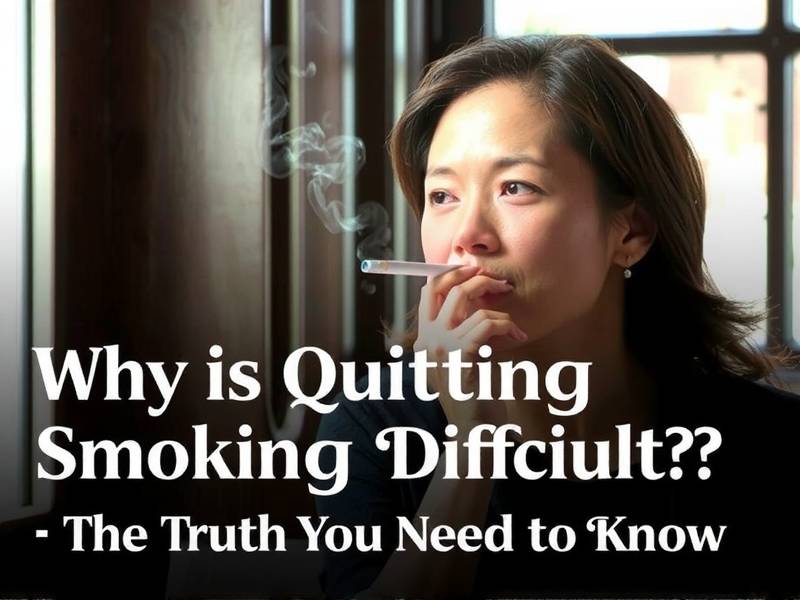
4. Habitual Behavior Smoking has become an ingrained habit for many individuals, often triggered by routine activities such as having coffee or taking a break from work. Breaking these habits requires conscious effort and a strong commitment to change.
5. Lack of Support Lack of support from friends, family, or healthcare professionals can make quitting smoking even more challenging. Having a supportive network can provide encouragement, accountability, and resources needed during the quitting process.
6. Misinformation and Myths There are numerous myths surrounding smoking cessation that can hinder progress. For example, some believe that only "weak-willed" people struggle with quitting or that it's impossible to quit after a certain age or number of years smoked.
The Truth You Need to Know:
- Success Rates Can Be Improved: While it may seem daunting at first glance, success rates for quitting smoking can be significantly improved with proper strategies and support.
- Relapse Is Common: It's important to understand that relapse is common but not fatal to your quit attempt.
- Alternative Therapies Work: There are various alternative therapies available such as acupuncture, hypnosis, and prescription medications that can help alleviate withdrawal symptoms.
- Mindfulness Techniques Can Help: Developing mindfulness techniques such as meditation and deep breathing exercises can assist in managing cravings and stress.
- Setting Realistic Goals: Break down your quit journey into smaller goals and celebrate each milestone achieved.
Conclusion: Quitting smoking is undoubtedly difficult due to various factors ranging from physical dependence on nicotine to psychological barriers and social influences. However, by understanding these challenges and implementing effective strategies tailored to your needs, you can increase your chances of successfully becoming smoke-free for good. Remember that seeking support from others who have experienced similar struggles can provide invaluable guidance along the way.