
What Happens to Your Lungs After Quitting Smoking: A Comprehensive Guide
What Happens to Your Lungs After Quitting Smoking: A Comprehensive Guide
Introduction: Quitting smoking is a significant step towards improving one's health. However, many smokers are often unaware of the transformative effects quitting can have on their bodies, particularly their lungs. This comprehensive guide will explore the changes that occur in your lungs after quitting smoking, providing you with valuable insights and motivation to take that life-changing decision.
I. Immediate Benefits After Quitting Smoking:
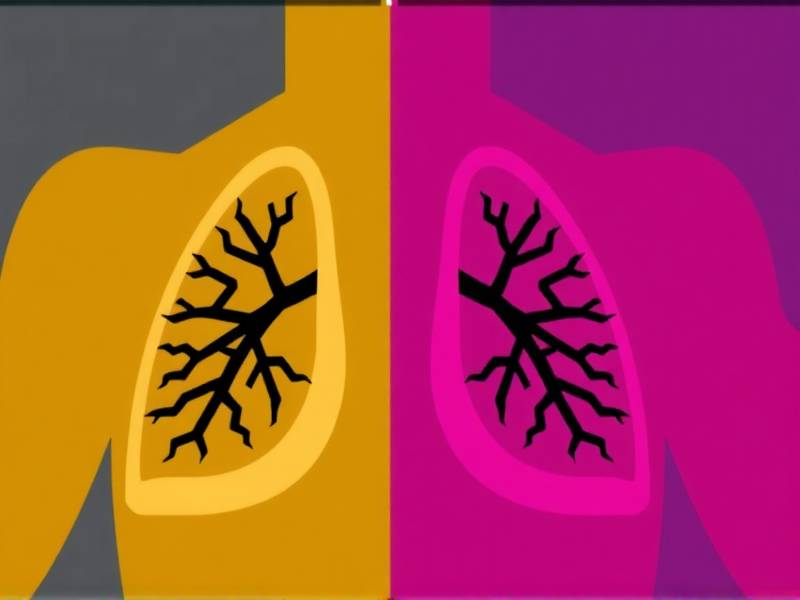
A. Reduced Risk of Respiratory Infections: One of the first benefits you'll notice after quitting smoking is a decrease in the frequency and severity of respiratory infections such as colds, flu, and bronchitis. This is because smoking weakens the immune system and makes it more susceptible to infections.
B. Improved Oxygen Supply: Within just 48 hours of quitting smoking, your body begins to clear out the carbon monoxide in your bloodstream, allowing for better oxygen supply to your cells and tissues.
II. Short-term Changes in Your Lungs:
A. Decreased Coughing and Phlegm Production: Within a few weeks after quitting, you'll likely experience a reduction in coughing and phlegm production as your lungs start to heal from the constant irritation caused by smoke.
B. Enhanced Lung Function: After about three months of being smoke-free, your lung function may improve by up to 10%. This means you'll have an easier time breathing during physical activities like exercise or climbing stairs.
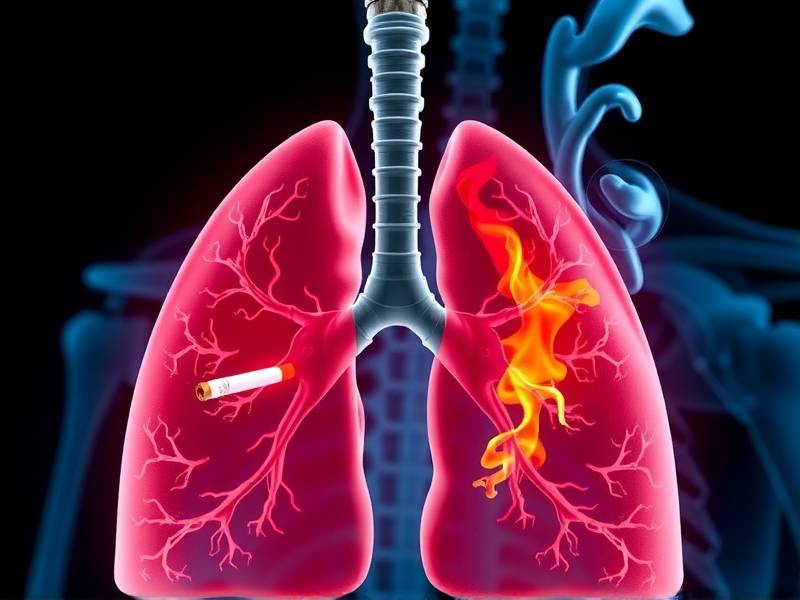
III. Long-term Benefits for Your Lungs:
A. Reduced Risk of Chronic Lung Diseases: Over time, quitting smoking significantly reduces your risk of developing chronic lung diseases such as chronic obstructive pulmonary disease (COPD) and lung cancer.
B. Improved Quality of Life: As your lungs continue to heal and become healthier, you'll experience an overall improvement in your quality of life. You may find that you have more energy, better sleep quality, and a reduced risk of cardiovascular diseases.
IV. The Role of Nicotine Replacement Therapy (NRT) in Quitting Smoking:
A. NRT can help alleviate withdrawal symptoms and reduce cravings. B. Using NRT can increase the chances of successfully quitting smoking. C. Consult with a healthcare professional before starting any NRT program.
Conclusion: Quitting smoking has numerous benefits for your lungs and overall health. By understanding the changes that occur in your lungs after quitting, you'll be more motivated to make this life-saving decision. Remember that it's never too late to quit; every day without smoking is a step towards better health!