
How to Increase Lung Capacity After Quitting Smoking: Effective Tips and Exercises
"Reclaim Your Breath: Effective Tips and Exercises to Boost Lung Capacity After Quitting Smoking"
Introduction: Quitting smoking is a significant step towards improving your health, and one of the most noticeable benefits is the gradual restoration of lung capacity. While the journey to recovery may take time, there are several strategies and exercises you can incorporate into your routine to enhance lung function. This article will guide you through effective tips and exercises that can help increase lung capacity after quitting smoking.
Understanding Lung Capacity
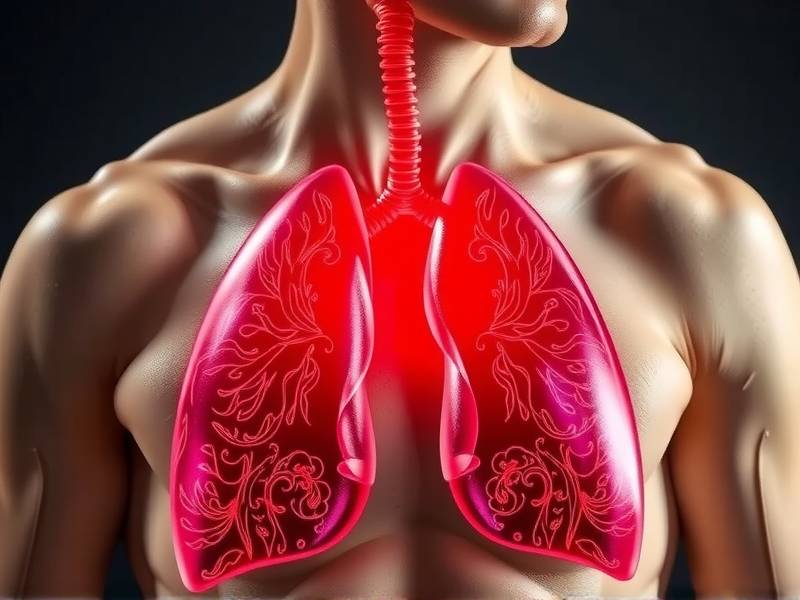
Before delving into the exercises, it's essential to understand what lung capacity is. It refers to the maximum amount of air your lungs can hold after a deep breath. Smoking damages the alveoli (air sacs) in your lungs, reducing their elasticity and efficiency in oxygen exchange. Quitting smoking allows these tissues to repair and regenerate over time.
Effective Tips for Increasing Lung Capacity
- Stay Hydrated: Drinking plenty of water helps maintain healthy lung function by keeping mucus thin and facilitating its clearance from the respiratory tract.
- Avoid Air Pollution: Exposure to smog, dust, or allergens can exacerbate respiratory issues. Try to minimize exposure by staying indoors on high pollution days.
- Maintain a Healthy Diet: A balanced diet rich in fruits, vegetables, lean proteins, and whole grains provides essential nutrients for lung health.
Exercises for Enhancing Lung Capacity
- Pursed-Lip Breathing: This technique helps improve oxygen intake by slowing down exhalation. Inhale deeply through your nose, then exhale slowly through pursed lips as if blowing out a candle.
- Deep Breathing Exercises: Lie down on your back with one hand on your chest and the other on your abdomen. Inhale deeply through your nose until you feel air moving in both hands, then exhale slowly.
- Diaphragmatic Breathing: Practice breathing deeply into your diaphragm rather than shallowly into your chest by placing one hand on your abdomen.
- Walking: Regular walking improves cardiovascular health and encourages deeper breathing patterns.
Incorporating Exercise into Your Routine
Consistency is key when it comes to reaping the benefits of these exercises. Aim for at least 30 minutes of physical activity most days of the week, gradually increasing intensity as you become more comfortable.
Monitoring Progress
As you continue with these tips and exercises, monitor any changes in how you breathe or how far you can walk before feeling short of breath. Remember that improvements may take several months or even years after quitting smoking.
Conclusion:
Increasing lung capacity after quitting smoking requires dedication and patience but is well worth the effort for improved health and quality of life. By incorporating these effective tips and exercises into your daily routine, you'll be taking significant steps towards reclaiming your breath and enjoying a healthier future.
Note: The information provided in this article is intended for educational purposes only and should not replace professional medical advice or treatment. Always consult with a healthcare provider before starting any new exercise or treatment regimen.
Remember, every breath counts – start today!