
Can Quitting Smoking Really Reverse Heart Damage?
Introduction
The harmful effects of smoking on the heart are well-documented. But can quitting smoking actually reverse the damage it has caused? This question is of great interest to many smokers who are looking for a second chance at a healthier life. In this article, we will explore the potential of quitting smoking to reverse heart damage and look at the latest research findings.
Understanding Heart Damage from Smoking
Smoking is a leading cause of heart disease, affecting both the structure and function of the heart. It can lead to conditions such as coronary artery disease, hypertension, and arrhythmias. The chemicals in cigarettes cause inflammation and damage to blood vessels, which increases the risk of heart attacks and strokes.
The Power of Quitting
The good news is that quitting smoking can have significant benefits for your heart health. Studies have shown that within just a few weeks after quitting, your blood pressure begins to drop, and your heart rate starts to normalize. Over time, these changes can lead to a reversal of some of the damage caused by smoking.
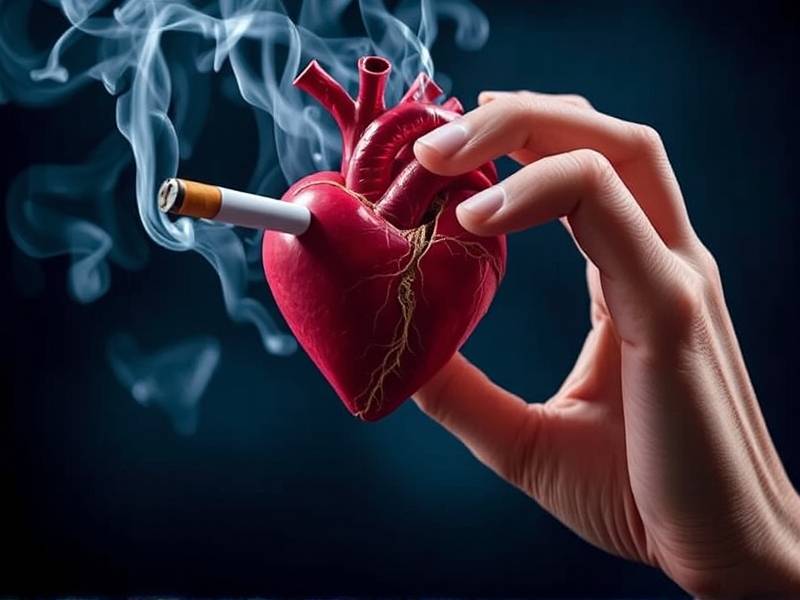
Early Reversal: The First 12 Months
During the first year after quitting smoking, you can expect several positive changes in your cardiovascular health:
- Reduced Blood Pressure: Your blood pressure may decrease by up to 5-15 mmHg within 6 months.
- Improved Blood Flow: The lining of your arteries becomes smoother as plaque buildup decreases.
- Lower Heart Rate: Your resting heart rate may drop as nicotine withdrawal diminishes.
- Increased HDL Cholesterol: Also known as "good" cholesterol, levels tend to rise after quitting.
Long-Term Benefits
Quitting smoking also offers long-term benefits for your heart:
- Reduced Risk of Heart Attack: Within 5 years, your risk drops by half compared to that of a continuing smoker.
- Lower Risk of Stroke: Within 10 years, your risk drops by about two-thirds.
- Improved Endothelial Function: The inner lining of your arteries becomes more responsive over time.
Factors Affecting Reversal
It's important to note that not everyone will experience the same level of reversal in heart damage. Several factors can influence how much damage is reversed:

- Duration and Severity of Smoking: Longer smoking periods and higher quantities smoked typically result in more extensive damage.
- Age at Quitting: Quitting earlier in life allows for greater potential reversal.
- Overall Health Status: Individuals with other health conditions may experience slower improvements.
Conclusion
While quitting smoking cannot completely undo all the damage done over years or decades of smoking, it is clear that it can significantly improve cardiovascular health. By reducing inflammation, improving blood flow, and lowering risk factors like blood pressure and cholesterol levels, quitting provides a pathway towards reversing some heart damage. If you're considering making this life-changing decision, know that every step you take towards quitting is a step towards a healthier future.