
How Soon Will My Lungs Heal After I Quit Smoking?
The Journey to Lung Healing: How Quickly Can I Expect Recovery After Quitting Smoking?
Introduction: Quitting smoking is a significant step towards improving one's health, and many smokers are eager to know how soon they can expect their lungs to heal. Understanding the process of lung recovery can provide motivation and hope for those who are looking to quit. In this article, we will explore the timeline of lung healing after quitting smoking, taking into consideration various factors that can influence the recovery process.
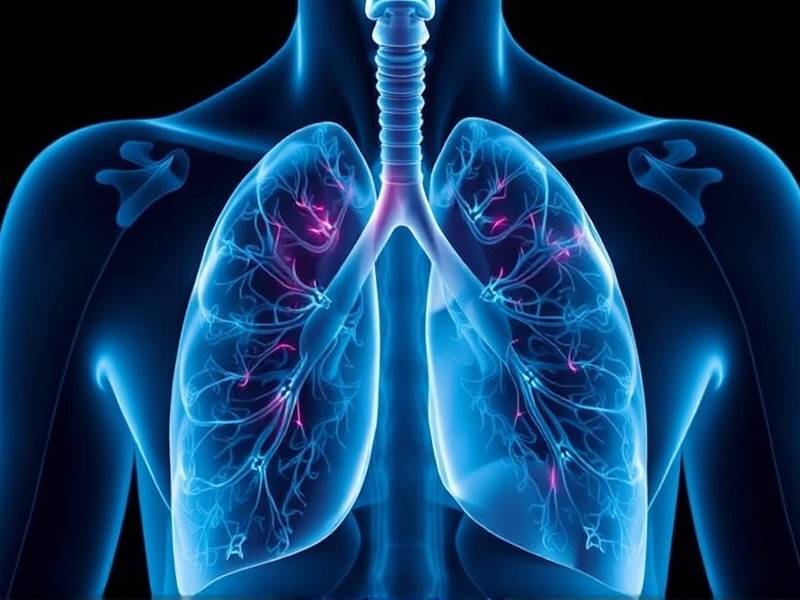
How Long Does It Take for Lungs to Heal After Quitting Smoking?
-
Immediate Benefits: Within just 12 hours of quitting smoking, your body begins to experience immediate benefits. The carbon monoxide levels in your blood start to decrease, allowing your oxygen levels to stabilize. This can lead to improved energy levels and a clearer mind.
-
Short-Term Recovery: Over the next few weeks, your lungs will start to clear out tar and other harmful substances accumulated from years of smoking. This process may cause some discomfort, such as coughing or wheezing, as your body tries to expel the toxins. However, these symptoms usually subside within a few weeks.
-
Medium-Term Recovery: After about three months of quitting smoking, you'll notice significant improvements in lung function and breathing capacity. Your immune system will also strengthen during this period, reducing the risk of respiratory infections.
-
Long-Term Recovery: It may take several years for your lungs to fully recover from smoking damage. Within five years of quitting smoking, the risk of stroke decreases significantly compared to that of a smoker's risk. After 10-15 years, the risk of developing lung cancer decreases by half compared to that of a continuing smoker.
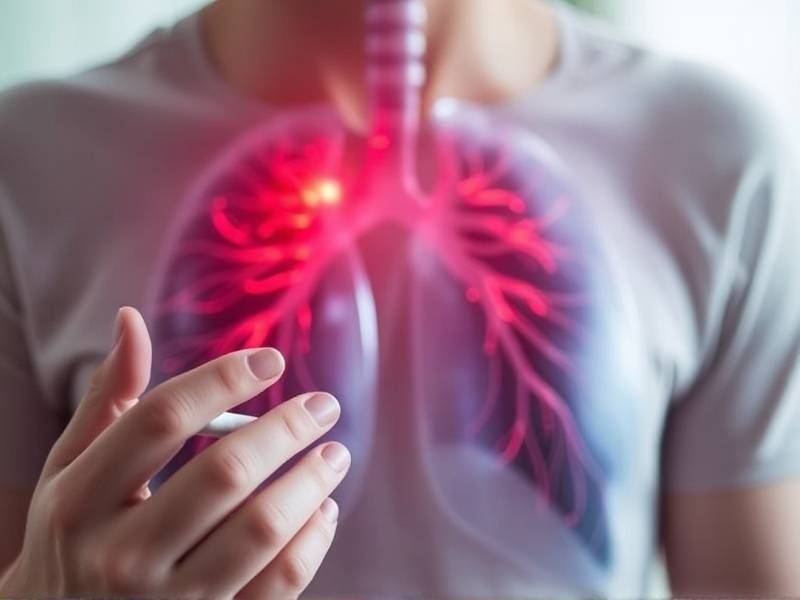
Factors Influencing Lung Healing:
-
Age and Overall Health: Younger individuals with good overall health tend to recover faster than older adults or those with pre-existing health conditions.
-
Duration and Amount of Smoking: The longer you have smoked and the more cigarettes you have smoked per day can affect how quickly your lungs heal after quitting.
-
Environmental Factors: Living in an area with high pollution levels or being exposed to secondhand smoke can slow down lung recovery.
-
Genetic Factors: Your genetic makeup can play a role in how quickly your lungs recover from smoking damage.
Conclusion:
The journey towards lung healing after quitting smoking is unique for each individual but generally involves several stages over time. By understanding this process and maintaining a smoke-free lifestyle, you can significantly improve your lung health and reduce the risk of respiratory diseases in the long run. Stay motivated by celebrating small milestones along the way – every step counts!