
Do You Sleep More When You Quit Smoking? The Science Behind the Question
Do You Sleep More When You Quit Smoking? The Science Behind the Question
Introduction: The journey to quit smoking is a challenging one, filled with various physical and mental changes. One common question that arises among smokers contemplating quitting is whether they will experience an improvement in sleep quality. This article delves into the science behind this question, exploring the potential effects of quitting smoking on sleep patterns.
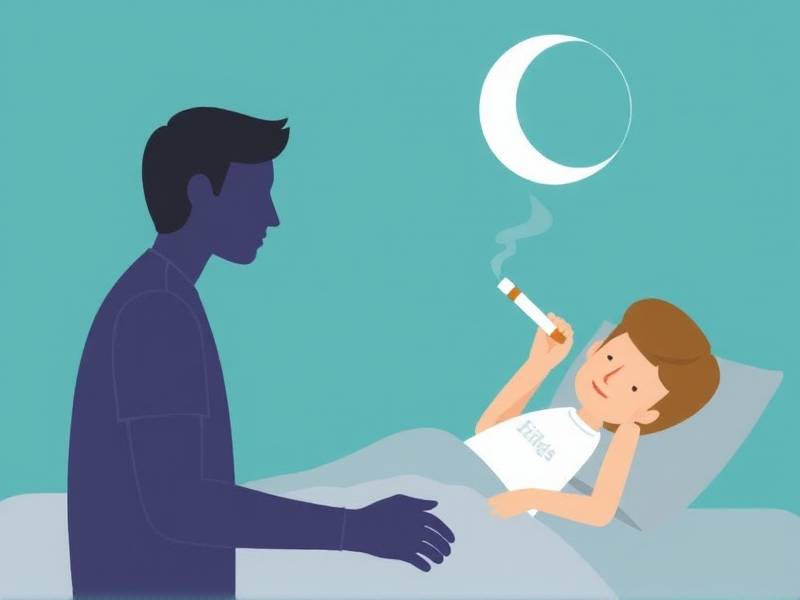
Section 1: Understanding Nicotine's Impact on Sleep Nicotine, the primary addictive substance in tobacco, has a significant impact on sleep. It acts as a stimulant, leading to disrupted sleep patterns and reduced sleep quality. Smokers often find themselves waking up during the night due to nicotine withdrawal symptoms. Therefore, it is plausible that quitting smoking could lead to improved sleep.

Section 2: The Body's Response to Quitting Smoking When individuals quit smoking, their bodies undergo several changes. One of these changes is an increase in the production of certain neurotransmitters, such as serotonin and dopamine, which are associated with relaxation and better sleep quality. Additionally, quitting smoking helps reduce inflammation in the body, which can also contribute to improved sleep.
Section 3: Scientific Evidence Supporting Improved Sleep Numerous studies have investigated the relationship between quitting smoking and improved sleep. Research conducted by the National Institutes of Health (NIH) suggests that individuals who quit smoking experience better sleep quality within a few weeks of quitting. Another study published in the Journal of Sleep Research found that former smokers tend to have longer sleep durations compared to current smokers.
Section 4: Factors Influencing Sleep Improvement After Quitting Smoking While many individuals report improved sleep after quitting smoking, it is important to note that factors such as overall health, stress levels, and lifestyle choices can influence this outcome. Maintaining a healthy routine, including regular exercise and a balanced diet, can further enhance the benefits of quitting smoking on sleep quality.
Conclusion: Quitting smoking can indeed lead to improved sleep quality for many individuals. By understanding nicotine's impact on sleep and recognizing the body's response to quitting, smokers can make informed decisions about their journey towards a healthier lifestyle. While individual experiences may vary, scientific evidence supports the notion that better sleep awaits those who successfully quit smoking.