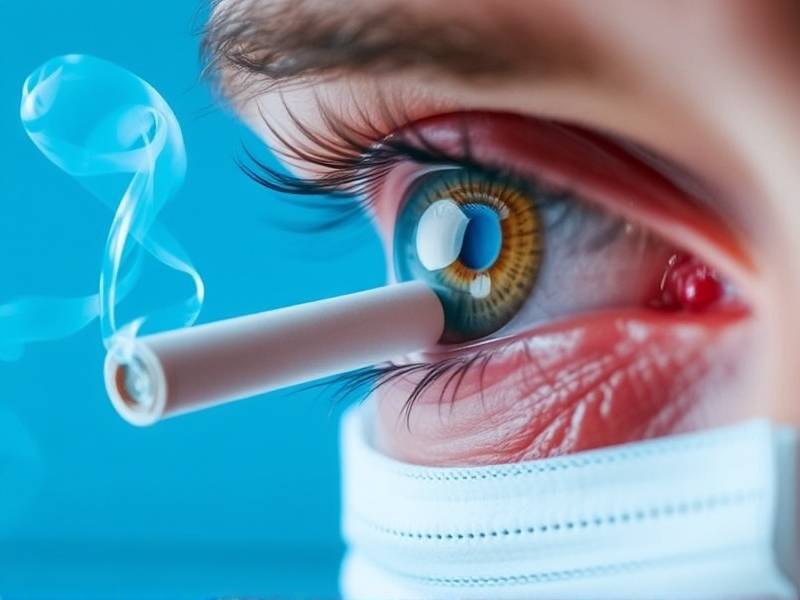
Do You Really Have to Quit Smoking Before Cataract Surgery?
Navigating Cataract Surgery: Do You Really Have to Quit Smoking?
Introduction: Cataract surgery is a common procedure that helps restore clear vision for millions of people each year. However, many patients wonder if they need to quit smoking before undergoing this surgery. In this article, we will explore the relationship between smoking and cataract surgery, providing you with valuable information to make an informed decision.
Understanding Cataracts and Surgery Cataracts occur when the natural lens of the eye becomes cloudy, leading to blurred vision. Cataract surgery involves removing the cloudy lens and replacing it with a clear artificial lens. This procedure is generally safe and effective for most patients.

The Role of Smoking in Cataract Surgery Smoking has been identified as a risk factor for several complications during and after cataract surgery. Here are some key points to consider:
-
Increased Risk of Infection: Smoking can weaken the immune system, making patients more susceptible to infections both during and after surgery.
-
Prolonged Healing Time: Smokers may experience a longer recovery period compared to non-smokers due to the reduced blood flow caused by nicotine.
-
Increased Complications: Smoking has been linked to increased rates of postoperative complications, such as posterior capsule opacification (PCO) and cystoid macular edema (CME).
Should You Quit Smoking Before Surgery? While quitting smoking before cataract surgery can reduce the risk of complications, it is not always a strict requirement. Here's what you should know:
-
Consult with Your Eye Care Professional: Discuss your smoking habits with your eye doctor during your preoperative consultation. They can provide personalized advice based on your specific situation.
-
Consider the Benefits: Quitting smoking can improve overall health, which may lead to better outcomes after cataract surgery.
-
Understand the Risks: If you continue smoking after surgery, there is still a risk of complications and potential vision loss.
-
Alternative Options: If you are unable to quit smoking before surgery, your eye doctor may recommend alternative strategies to minimize risks, such as using antibiotics or anti-inflammatory medications during recovery.
Conclusion: Deciding whether or not to quit smoking before cataract surgery is a personal choice that should be made based on individual circumstances and professional advice. By understanding the potential risks associated with smoking and discussing your options with an eye care professional, you can make an informed decision that prioritizes your health and vision outcomes.