
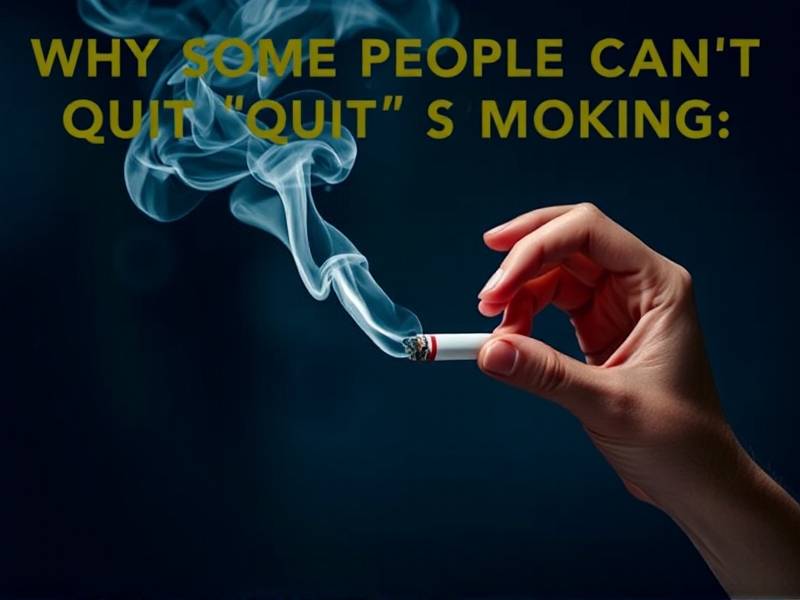
Why Some People Can't Quit Smoking: Understanding the Challenges and Solutions
The Persistent Pull of Smoking
Despite the overwhelming evidence of the dangers of smoking, countless individuals find themselves struggling to quit. The reasons for this vary widely, and understanding them can provide valuable insights into how to overcome the challenges of quitting.
Biological Factors: The Chemistry of Addiction
One of the primary reasons why some people struggle to quit smoking is due to the powerful chemical effects of nicotine. Nicotine is a highly addictive substance that affects the brain's reward system, leading to a cycle of dependence. This chemical bond makes it difficult for individuals to resist the urge to smoke, even when they are fully aware of the health risks.
Psychological Factors: The Role of Habits and Emotions
Psychological factors also play a significant role in why some people can't quit smoking. Smoking often becomes a deeply ingrained habit, associated with specific activities or emotions. For many, it's a way to cope with stress, boredom, or anxiety. Breaking these associations can be incredibly challenging.
Social Factors: The Influence of Peers and Environment
The social environment can significantly impact one's ability to quit smoking. Peer pressure, social gatherings that involve smoking, and even cultural norms can make it difficult for smokers to resist the temptation. Additionally, those who have friends or family members who smoke may find it harder to quit due to social support systems that reinforce their habit.
Economic Factors: The Cost of Smoking
The economic burden associated with smoking is another barrier for many individuals looking to quit. The financial cost can be substantial over time, and smokers may face additional expenses related to health problems caused by their habit. However, recognizing this cost as an incentive for change can sometimes be enough to motivate smokers towards quitting.
Strategies for Quitting Smoking
Understanding these challenges is just the first step in overcoming them. Here are some effective strategies that can help smokers on their journey towards a smoke-free life:

Gradual Reduction
Instead of attempting cold turkey quitting all at once, consider gradually reducing your smoking frequency. This approach allows your body and mind time to adjust while providing you with a sense of control over your habit.
Nicotine Replacement Therapy (NRT)
NRT products like patches, gum, lozenges, inhalers, or nasal sprays provide controlled doses of nicotine without the harmful effects of tobacco smoke. These can help reduce withdrawal symptoms and cravings.
Behavioral Therapy
Behavioral therapy techniques such as cognitive-behavioral therapy (CBT) have been shown to be effective in helping individuals overcome addiction by identifying triggers and developing coping strategies.
Support Systems
Seeking support from friends, family members, or support groups can provide emotional support and practical advice during your journey towards quitting.
Setting Clear Goals
Set clear goals for yourself with specific timelines and milestones. Having clear objectives can help keep you focused and motivated throughout your journey.
Health Incentives
Remind yourself regularly about the health benefits you will gain from quitting smoking. From improved lung function to reduced risk of heart disease and cancer – there are many compelling reasons to take that first step towards quitting.
In conclusion, quitting smoking is not an easy task but understanding the challenges involved is crucial in developing effective strategies for success. Whether it's addressing biological dependence through NRT or seeking psychological support through therapy or social networks – there are numerous resources available that can help you break free from this dangerous habit once and for all.