
Can COPD Go Away If You Quit Smoking?
Can COPD Disappear with Smoking Cessation?
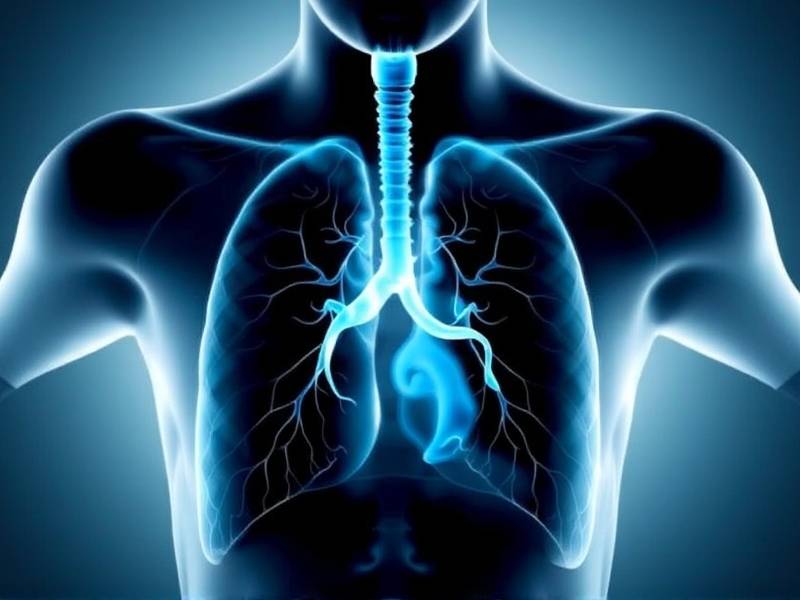
Subheading: Understanding the Link Between Smoking and Chronic Obstructive Pulmonary Disease
Introduction: Chronic Obstructive Pulmonary Disease (COPD) is a chronic lung condition that affects millions of people worldwide. While there is no cure for COPD, many individuals are curious about the possibility of reversing the disease if they quit smoking. In this article, we will explore whether quitting smoking can lead to the disappearance of COPD.
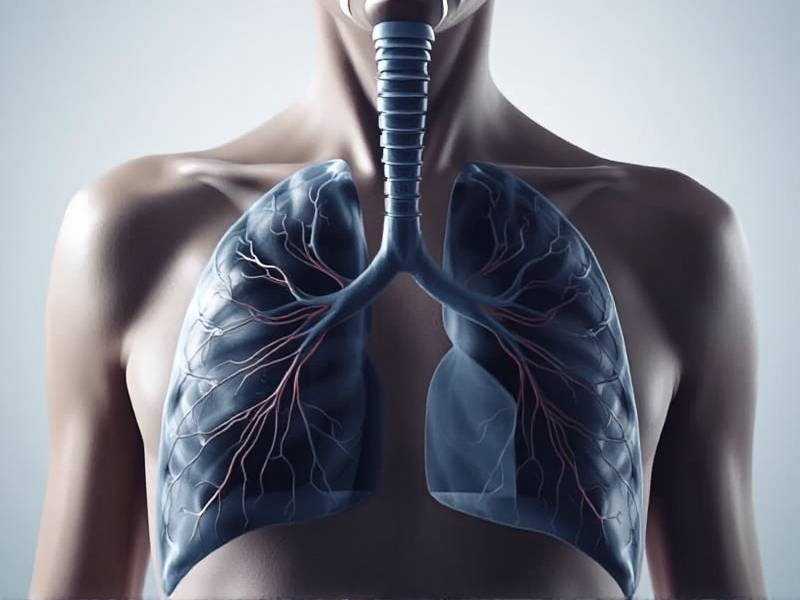
What is COPD? COPD is a progressive lung disease characterized by long-term breathing problems and poor airflow. It is primarily caused by long-term exposure to irritants such as tobacco smoke, dust, and chemicals. Symptoms of COPD include shortness of breath, coughing, wheezing, and chest tightness.
The Role of Smoking in COPD Smoking is the leading cause of COPD. The harmful chemicals in cigarettes cause inflammation and damage to the airways and alveoli (air sacs) in the lungs. Over time, this damage leads to irreversible changes in the lungs, making it difficult for individuals to breathe.
Can Quitting Smoking Help Cure COPD? While quitting smoking cannot reverse all of the damage caused by years of smoking, it can significantly slow down the progression of COPD and improve lung function. Studies have shown that individuals who quit smoking are less likely to experience exacerbations (worsening of symptoms) and have a lower risk of developing other respiratory conditions.
The Benefits of Quitting Smoking for COPD Patients
- Improved Lung Function: Quitting smoking can help improve lung capacity and reduce symptoms such as shortness of breath.
- Reduced Risk of Exacerbations: By reducing exposure to harmful chemicals, individuals can lower their risk of experiencing exacerbations.
- Better Quality of Life: Improvements in lung function can lead to better overall health and quality of life.
- Lower Risk of Other Health Conditions: Quitting smoking can reduce the risk of developing other chronic conditions such as heart disease and stroke.
Tips for Quitting Smoking
- Set a Clear Goal: Decide on a quit date and stick to it.
- Seek Support: Join a support group or seek help from friends, family, or healthcare professionals.
- Identify Triggers: Recognize situations that make you want to smoke and develop strategies to cope with them.
- Use Nicotine Replacement Therapy (NRT): Consider using NRT products like gum, lozenges, or patches to help manage withdrawal symptoms.
- Stay Active: Exercise can help alleviate withdrawal symptoms and improve your mood.
Conclusion: While quitting smoking cannot cure all cases of COPD, it can significantly slow down its progression and improve quality of life for patients. If you are a smoker with COPD or at risk for developing the condition, consider seeking support from healthcare professionals to quit smoking today.
References:
- American Lung Association
- Centers for Disease Control and Prevention (CDC)
- National Heart Lung Blood Institute