
Why Am I Gaining Weight Since I Quit Smoking? The Inside Scoop on Weight Loss After Quitting Smoking
Why Am I Gaining Weight Since I Quit Smoking? The Inside Scoop on Weight Loss After Quitting Smoking
Introduction: Quitting smoking is a significant step towards a healthier lifestyle. However, many individuals often experience unexpected weight gain after quitting. This article delves into the reasons behind this phenomenon and provides practical tips for managing weight loss after quitting smoking.
Understanding the Link Between Smoking and Weight Gain
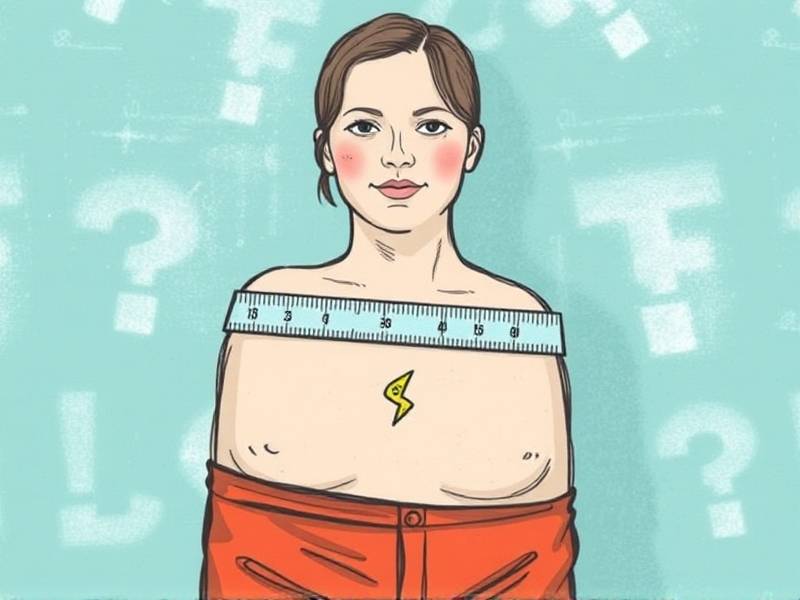
1. Nicotine's Role in Metabolism
One of the primary reasons for weight gain after quitting smoking is nicotine's effect on metabolism. Nicotine acts as an appetite suppressant and increases energy expenditure, leading to a higher metabolic rate. When you stop smoking, your body's metabolism slows down, resulting in a decrease in calorie burn.
2. Emotional Eating
Smokers often turn to smoking as a way to cope with stress or boredom. Without this crutch, some individuals may find themselves turning to food for comfort. Emotional eating can lead to overeating and subsequent weight gain.
3. Increased Caloric Intake
Many people believe that quitting smoking will lead to increased energy levels and an active lifestyle, which would counteract any potential weight gain. However, some individuals may compensate for the lack of nicotine by consuming more calories than they need.
Effective Strategies for Managing Weight Loss After Quitting Smoking
1. Develop a Support System
Quitting smoking is challenging, and having a strong support system can make it easier to manage weight loss. Consider joining a support group or seeking help from friends, family, or professionals who have experienced similar challenges.
2. Create Healthy Habits
Developing healthy habits can help you maintain your new smoke-free lifestyle while also managing weight gain. Focus on incorporating more physical activity into your daily routine and adopting healthier eating habits.
3. Monitor Your Caloric Intake
Keep track of your food intake and ensure you are not consuming more calories than you burn daily. This can help you make adjustments as needed to maintain a healthy weight.

4. Consider Behavioral Therapy
Behavioral therapy can be an effective tool for addressing emotional eating and other factors that contribute to weight gain after quitting smoking.
Conclusion:
Weight gain after quitting smoking is a common concern but can be managed with the right strategies and mindset. By understanding the underlying factors contributing to weight gain and adopting healthy habits, you can successfully navigate this transition towards a healthier lifestyle. Remember that every step towards better health is worth celebrating!