
Does Quitting Smoking Help with Crohn's Disease?
Quitting Smoking: A Potential Boon for Crohn's Disease Sufferers?
Introduction
Crohn's disease, a chronic inflammatory bowel disease (IBD), affects millions of people worldwide. It is characterized by inflammation in the digestive tract, leading to symptoms like abdominal pain, diarrhea, and weight loss. While there is no cure for Crohn's disease, various treatment options are available to manage symptoms and improve quality of life. One intriguing question that often arises among patients is whether quitting smoking can help alleviate their symptoms or even improve their condition. In this article, we will explore the potential benefits of quitting smoking for Crohn's disease patients.
Understanding the Link Between Smoking and Crohn's Disease
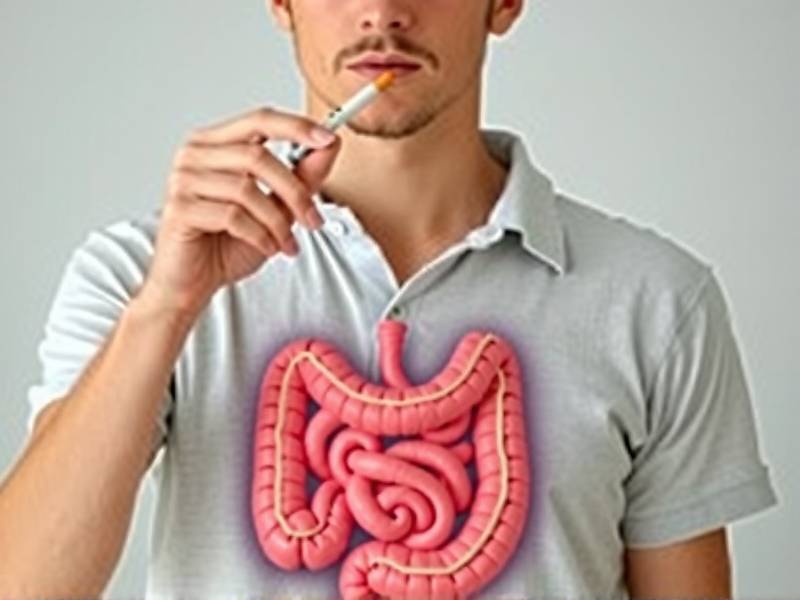
Research has shown that smoking is a significant risk factor for developing Crohn's disease. Smokers are approximately 1.5 to 2 times more likely to develop the condition compared to non-smokers. Moreover, smoking exacerbates the symptoms of Crohn's disease and increases the risk of complications such as strictures and fistulas.
The Benefits of Quitting Smoking
Quitting smoking has been proven to have numerous health benefits, including reducing the risk of developing various types of cancer, improving lung function, and lowering heart disease risk. For Crohn's disease patients, quitting smoking can potentially lead to several advantages:
-
Reduced Inflammation: One of the primary reasons why quitting smoking is beneficial for Crohn's disease patients is that it helps reduce inflammation in the digestive tract. This can lead to fewer flare-ups and improved overall symptom management.
-
Improved Immune System: Smoking weakens the immune system, making it harder for the body to fight off infections and diseases. Quitting smoking strengthens the immune system, which can be particularly beneficial for managing a chronic condition like Crohn's disease.
-
Better Medication Efficacy: For many Crohn's disease patients, medication plays a crucial role in managing symptoms and preventing complications. However, smoking can reduce the effectiveness of some medications used to treat IBDs like corticosteroids and immunomodulators. Quitting smoking can enhance medication efficacy and improve treatment outcomes.
-
Weight Gain: Smoking has been linked to weight loss in some Crohn's disease patients due to decreased appetite and malabsorption issues caused by inflammation in the digestive tract. Quitting smoking may help restore appetite and promote healthy weight gain.
-
Long-Term Health Benefits: By quitting smoking, individuals with Crohn's disease can significantly reduce their risk of developing other serious health conditions like lung cancer and cardiovascular diseases.
Supporting Your Journey
Quitting smoking can be challenging; however, it is essential for individuals with Crohn's disease who smoke. Here are some tips that may help:
-
Seek Professional Help: Consult with healthcare providers who specialize in IBDs or addiction medicine for personalized advice on quitting smoking.
-
Join Support Groups: Connect with others who have quit or are trying to quit smoking; they can provide valuable insights and emotional support.
-
Set Realistic Goals: Break down your quit attempt into smaller goals; celebrate small victories along the way.
-
Consider Nicotine Replacement Therapy (NRT): NRT products like gum or patches can help alleviate withdrawal symptoms during your quit journey.
Conclusion
Quitting smoking holds significant potential benefits for individuals with Crohn's disease by reducing inflammation, improving immune function, enhancing medication efficacy, promoting healthy weight gain, and reducing long-term health risks associated with tobacco use. While overcoming nicotine addiction may be challenging, taking proactive steps towards quitting can lead to improved quality of life for those living with this chronic condition.