
Do Your Lungs Burn When You Quit Smoking? Discover the Truth About This Common Symptom
Do Your Lungs Burn When You Quit Smoking? Unveiling the Truth
Introduction: Quitting smoking is a significant step towards a healthier life, but it often comes with challenges. One common symptom experienced by many quitters is a burning sensation in the lungs. This article aims to explore the truth behind this common symptom and provide insights to ease your concerns.
Understanding the Burning Sensation
-
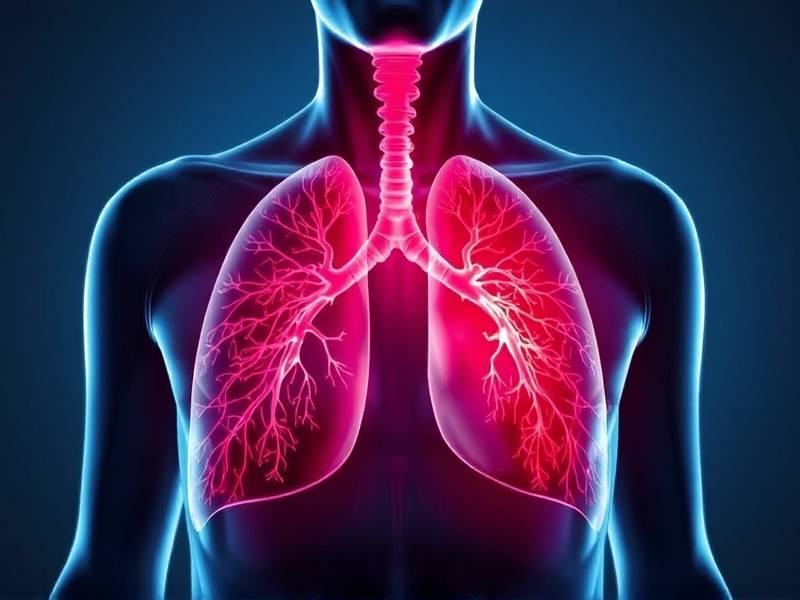
What Causes the Burning Sensation? When you quit smoking, your body undergoes various changes as it tries to recover from the years of tobacco exposure. One of these changes includes an increase in mucus production in your lungs. The burning sensation you feel is often due to this increased mucus, which can irritate your airways and lead to discomfort.
-
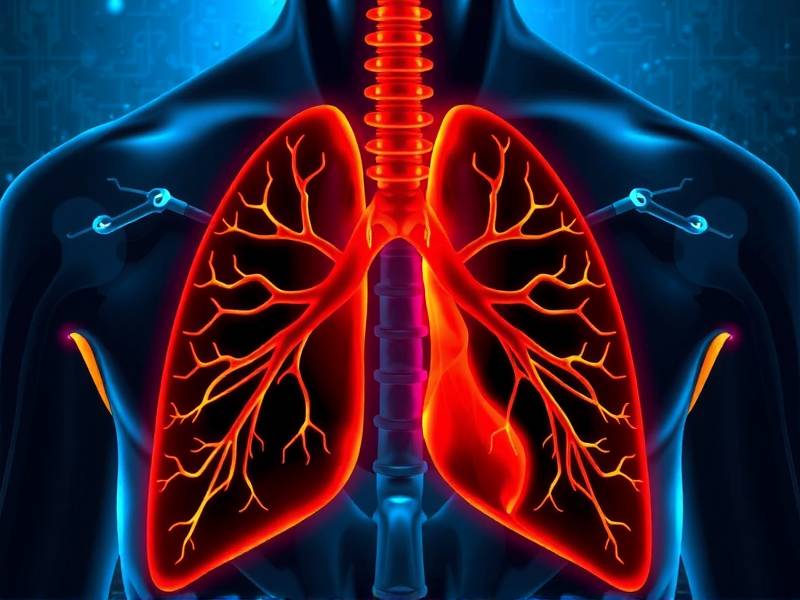
Coughing as a Response In addition to mucus production, quitting smoking also triggers coughing as your body tries to clear out tar and other harmful substances accumulated in your respiratory system over time.
Dealing with the Burning Sensation
-
Stay Hydrated Drinking plenty of water can help thin out the mucus and make it easier for your body to expel it. Aim for at least eight glasses of water per day.
-
Use Steam Therapy Steam therapy can help open up your airways and reduce irritation. Simply inhale steam from a hot shower or use a humidifier in your room.
-
Avoid Irritants Smokers often develop sensitivities to irritants such as dust, pollen, and smoke from other sources. Minimize exposure to these irritants by keeping your living environment clean and avoiding secondhand smoke.
-
Consider Over-the-Counter Remedies Over-the-counter cough syrups or lozenges can provide temporary relief from the burning sensation and coughing.
-
Seek Professional Help if Needed If you experience severe discomfort or persistent symptoms, consult with a healthcare professional for personalized advice and treatment options.
Long-Term Benefits of Quitting Smoking
It's important to remember that while the burning sensation may be uncomfortable, it is a temporary symptom of your body's healing process. By quitting smoking, you are taking a crucial step towards improving your overall health and reducing your risk of developing respiratory diseases such as chronic obstructive pulmonary disease (COPD) and lung cancer.
Conclusion:
The burning sensation in your lungs when you quit smoking is a common symptom that arises due to increased mucus production and irritation of the airways. By understanding its causes and implementing appropriate measures, you can alleviate discomfort during this transition period. Remember that quitting smoking has long-term benefits for your health, making it worth every challenge along the way!