
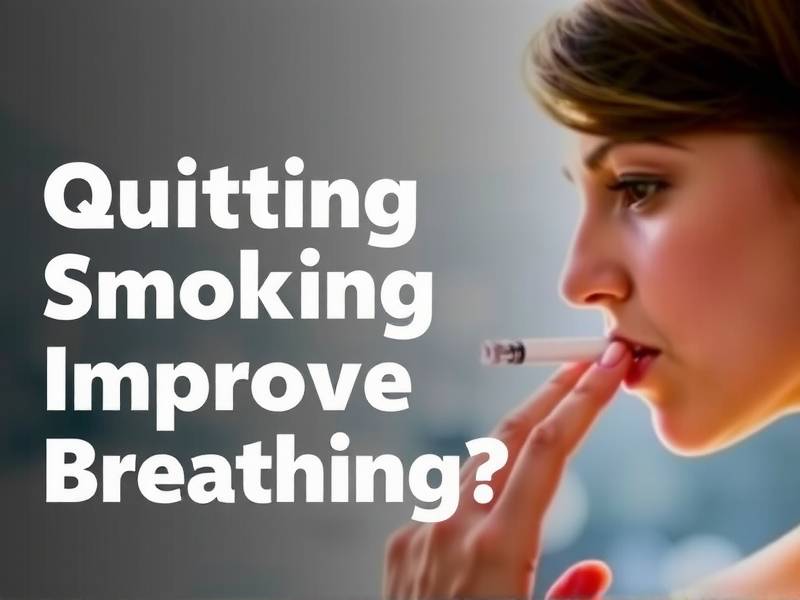
Will Quitting Smoking Improve Breathing?
The Breath of Fresh Air: How Quitting Smoking Can Enhance Your Breathing
Introduction: Breathing is an essential part of life, and for many smokers, it can become a challenge. The habit of smoking can lead to various respiratory issues, making it difficult to breathe comfortably. However, the question that often arises is: Will quitting smoking improve breathing? In this article, we will explore the impact of quitting smoking on respiratory health and how it can lead to improved breathing.
-
The Impact of Smoking on Breathing: Smoking causes significant damage to the lungs and respiratory system. The harmful chemicals in tobacco smoke irritate the airways, leading to inflammation and narrowing of the bronchial tubes. This inflammation can cause symptoms such as coughing, wheezing, and shortness of breath.

-
Benefits of Quitting Smoking for Improved Breathing: When you quit smoking, your body begins to repair itself. Here are some ways in which quitting smoking can enhance your breathing:
a) Reduced Inflammation: As you stop smoking, the inflammation in your airways decreases over time. This reduction in inflammation allows for easier airflow and improved breathing.
b) Increased Oxygen Supply: Smoking reduces the amount of oxygen that reaches your body's tissues. Quitting smoking increases oxygen supply, leading to better overall health and improved lung function.
c) Enhanced Lung Capacity: Over time, quitting smoking helps improve lung capacity by reducing the build-up of mucus and debris in the lungs.
- Immediate and Long-term Improvements: The benefits of quitting smoking on breathing are both immediate and long-term:
a) Immediate Improvements: Within a few hours of quitting smoking, carbon monoxide levels in your blood begin to drop. This leads to increased oxygen flow throughout your body, resulting in improved energy levels and better breathing.
b) Long-term Improvements: Within several weeks to months after quitting smoking, you may notice a significant reduction in coughing, wheezing, and shortness of breath. Over time, lung function continues to improve as damaged lung tissue begins to heal.
- Seek Support for a Successful Quit Attempt: Quitting smoking is challenging, but with support from healthcare professionals or support groups like Smokefree.gov or Cancer.org, you can increase your chances of success:
a) Consult with Your Doctor: Your doctor can provide guidance on effective quit-smoking strategies tailored to your specific needs.
b) Join Support Groups: Connecting with others who have experienced similar challenges can offer motivation and encouragement throughout your quit journey.
Conclusion: Quitting smoking is a significant step towards improving your respiratory health and enhancing your breathing quality. By reducing inflammation, increasing oxygen supply, and improving lung capacity over time, you'll experience immediate relief from symptoms like coughing and wheezing while enjoying long-term benefits for your overall well-being. So why not take that first step towards a healthier life?