
Does Quitting Smoking Really Cause Insomnia? A Comprehensive Guide to the Science Behind the Questio
Does Quitting Smoking Really Cause Insomnia? A Comprehensive Guide to the Science Behind the Question
Introduction: The journey to quit smoking is often fraught with challenges, and one common concern among smokers is whether quitting smoking can lead to insomnia. This article delves into the science behind this question, providing a comprehensive guide that will help you understand the potential link between quitting smoking and sleep disturbances.
Understanding Insomnia
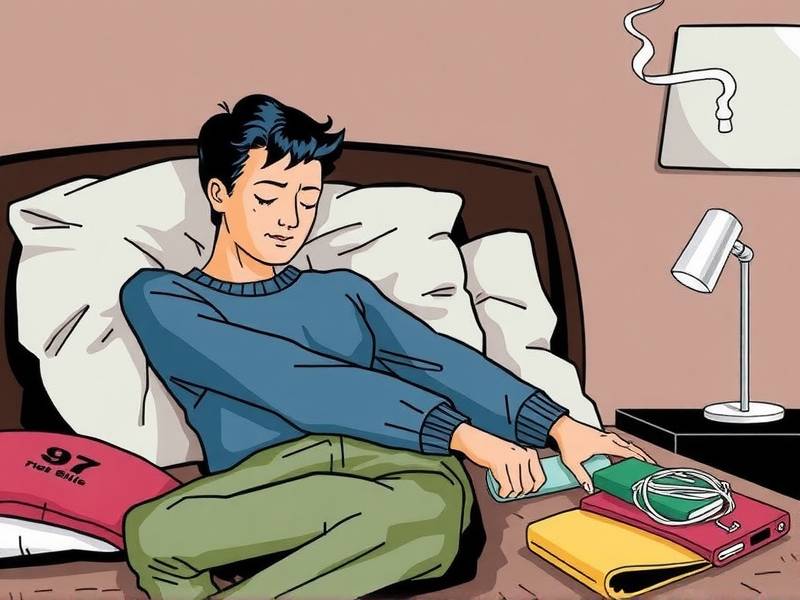
Insomnia is a sleep disorder characterized by difficulty falling or staying asleep, which can significantly impact your daily functioning. While there are various causes of insomnia, it's essential to understand how quitting smoking might affect your sleep patterns.
The Science of Nicotine and Sleep
Nicotine, a primary component of tobacco, is known for its stimulant effects. It can increase alertness and energy levels, making it easier for smokers to stay awake during the day. When you quit smoking, your body goes through withdrawal symptoms as it adjusts to the absence of nicotine. This adjustment period can lead to increased anxiety and stress levels, which in turn can disrupt your sleep.
Potential Causes of Insomnia After Quitting Smoking
-
Withdrawal Symptoms: The most immediate reason why quitting smoking might lead to insomnia is due to withdrawal symptoms. These symptoms include anxiety, irritability, and restlessness, all of which can make it difficult to fall asleep or stay asleep.
-
Cortisol Levels: Stress and anxiety associated with quitting smoking can cause an increase in cortisol levels (the stress hormone). High cortisol levels can disrupt your sleep-wake cycle.
-
Increased Body Temperature: Nicotine causes vasoconstriction (narrowing of blood vessels), which helps regulate body temperature during sleep. Without nicotine, your body temperature may fluctuate more, leading to restless sleep.
-
Caffeine Intake: Many smokers turn to caffeine as a substitute for nicotine during withdrawal. However, caffeine is a stimulant that can exacerbate insomnia.
How to Manage Insomnia After Quitting Smoking
-
Establish a Sleep Routine: Try to go to bed and wake up at the same time every day to establish a regular sleep schedule.
-
Create a Relaxing Bedtime Routine: Engage in calming activities before bed such as reading or taking a warm bath.
-
Limit Exposure to Electronic Devices: The blue light emitted by electronic devices can interfere with your ability to fall asleep.
-
Stay Hydrated: Drink plenty of water throughout the day but avoid drinking large amounts before bedtime.
-
Seek Professional Help: If you're struggling with insomnia after quitting smoking, consider seeking help from a healthcare professional or a support group dedicated to helping individuals quit smoking.
Conclusion:
While it's true that quitting smoking may lead some individuals to experience insomnia due to withdrawal symptoms and other factors mentioned above, this doesn't mean that all smokers will face this challenge. Understanding the science behind this issue can help you navigate the transition away from tobacco use more effectively and reduce the risk of developing long-term sleep disturbances.