
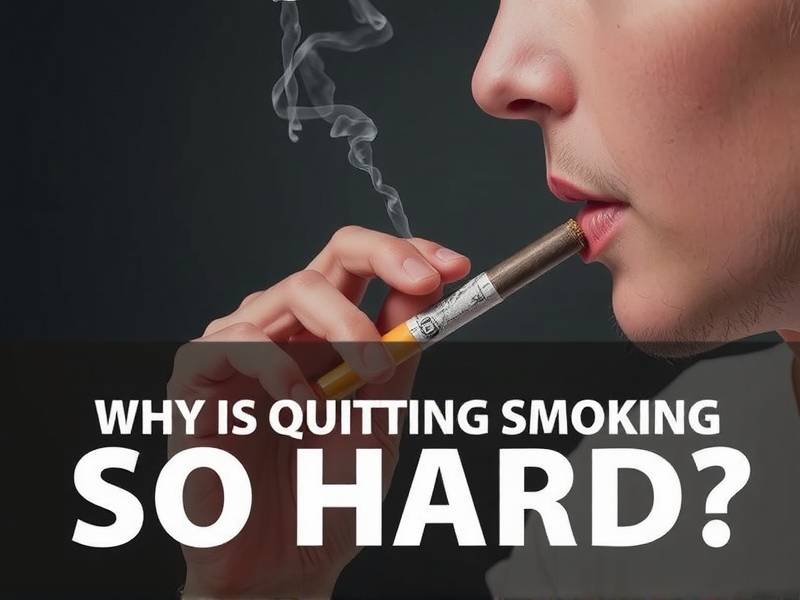
Why Is Quitting Smoking So Hard? The Inside Scoop on the Challenges People Face
The Psychological Battle: Understanding the Addictive Power of Nicotine
Quitting smoking is often likened to a war, and for good reason. The psychological aspect of nicotine addiction is a formidable opponent. Nicotine, a highly addictive substance found in tobacco, affects the brain's reward system, creating a sense of pleasure and relaxation. When attempting to quit, the brain craves this pleasurable sensation, making it incredibly challenging to resist the urge to smoke.
The Cycle of Craving and Withdrawal
One of the primary reasons quitting smoking is so difficult is the cycle of craving and withdrawal. As soon as you stop smoking, your body begins to experience withdrawal symptoms, such as irritability, anxiety, and cravings for nicotine. These symptoms can be overwhelming and may lead many individuals back to their cigarettes in an attempt to alleviate discomfort.

The Physical Impact: Dealing with Withdrawal Symptoms
The physical aspect of quitting smoking cannot be overlooked. When you stop smoking, your body must adjust to functioning without nicotine. This adjustment period can bring about a variety of withdrawal symptoms that can make quitting seem insurmountable.
Common Physical Symptoms
Common physical symptoms include:
- Headaches
- Increased appetite
- Insomnia
- Fatigue
- Increased heart rate
- Intense cravings for nicotine
Understanding these symptoms can help you prepare for the challenges ahead and develop strategies to cope with them effectively.
Social Pressures: Navigating Peer Influence
Peer pressure plays a significant role in why quitting smoking is so hard. For many smokers, socializing often involves smoking together. When you decide to quit, this social dynamic can become challenging as you navigate the expectations and judgments of others.
Overcoming Social Obstacles
To overcome social obstacles:
- Find Support: Join support groups or seek out friends who understand your struggle.
- Communicate Your Decision: Inform those close to you about your commitment to quit.
- Stay Confident: Believe in yourself and your ability to resist temptation.
Environmental Triggers: Confronting Subconscious Habits
Environmental triggers are another significant challenge when trying to quit smoking. Activities that were once synonymous with smoking—such as having coffee or taking a break at work—can now trigger intense cravings.
Strategies for Confronting Triggers
To confront environmental triggers:
- Identify Your Triggers: Recognize what situations or environments make you want to smoke.
- Develop Alternatives: Replace these triggers with healthy habits or distractions.
- Stay Consistent: Practice these new habits consistently until they become second nature.
Professional Help: Utilizing Resources for Success
Seeking professional help can make all the difference when it comes to quitting smoking successfully. From counseling sessions to prescription medications like bupropion (Zyban) or varenicline (Chantix), there are numerous resources available.
Importance of Professional Support
Professional support provides:
- Guidance on developing personalized strategies for quitting.
- Access to proven tools and techniques.
- A supportive environment where you can share your experiences and receive encouragement.
In conclusion, quitting smoking is an arduous journey that requires both mental and physical resilience. By understanding the challenges involved and seeking appropriate support, individuals can overcome their addiction and lead healthier lives. Remember that it's never too late to start your journey towards becoming smoke-free!